
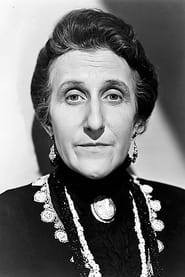
Minerva Urecal
Actor
Born: September 22, 1894 in Eureka, California, USA Died: February 26, 1966 Active: 1933-1962 Birth Name: Minerva G. Reichert
Films
1 film
About Minerva Urecal
Minerva Urecal, born Minerva G. Reichert, was a prolific character actress whose over three decades in Hollywood's Golden Age. She began her entertainment career on the vaudeville stage before transitioning to film in the 1930s, where her distinctive matronly appearance and commanding presence made her a natural for roles as stern teachers, housekeepers, and authority figures. Throughout her career, she appeared in more than 200 films and television shows, becoming recognizable character faces of her era. Her ability to transform into various types of maternal or authoritarian figures made her an invaluable supporting player in both dramatic and comedic productions. Despite never achieving leading lady status, Urecal's consistent work ethic and memorable performances in films like 'Boys of the City' (1940) and numerous other productions established her as a reliable and respected character actress. Her career successfully transitioned from film to television in the 1950s, where she continued to find steady work until her retirement in the early 1960s.
The Craft
On Screen
Urecal specialized in portraying stern, no-nonsense maternal figures with a distinctive authoritative presence. Her acting style was characterized by a commanding voice, sharp facial expressions, and an ability to convey both warmth and severity within the same character. She had a particular talent for playing teachers, housekeepers, and small-town authority figures who commanded respect through sheer force of personality.
Milestones
- Film debut in 'The Woman Who Dared' (1933)
- Breakthrough role in 'Boys of the City' (1940)
- Prolific career with over 200 film and TV appearances
- Successful transition to television in the 1950s
- Final film appearance in 'The Music Man' (1962)
Best Known For
Iconic Roles
Must-See Films
Accolades
Special Recognition
- Hollywood Walk of Fame Star (Motion Pictures)
Working Relationships
Worked Often With
Studios
Why They Matter
Impact on Culture
Minerva Urecal contributed significantly to the fabric of American cinema by embodying the archetypal maternal figure that audiences could instantly recognize and relate to. Her performances helped establish the template for the stern-but-loving character actress role that would become a staple in both film and television. Through her work with Abbott and Costello and The Bowery Boys, she became part of the comedy team tradition that defined much of American entertainment in the 1940s and 1950s. Her presence in classic films like 'The Grapes of Wrath' added authenticity to period pieces, helping to create the visual language of Depression-era America.
Lasting Legacy
Minerva Urecal's legacy lies in her remarkable versatility and longevity as a character actress during Hollywood's golden era. With over 200 credits to her name, she represents the backbone of studio system filmmaking - the reliable supporting player who could elevate any production with her presence. Her work continues to be discovered by new generations through classic film revivals and television reruns, where her distinctive performances remain memorable decades later. She paved the way for future character actresses by demonstrating that supporting roles could be just as impactful as leading parts.
Who They Inspired
Urecal influenced generations of character actors through her professional approach and ability to create memorable characters with limited screen time. Her technique of using voice and physical presence to establish character quickly became a model for other supporting actors. Many later character actresses, including Eileen Brennan and Cloris Leachman, cited Urecal as an inspiration for their own careers playing maternal and authority figures. Her work in comedy teams also influenced how straight women characters could effectively support comedic duos while maintaining their own distinct personalities.
Off Screen
Minerva Urecal married twice during her lifetime. Her first marriage was to actor and director Charles R. Pyle, which ended in divorce. She later married businessman Jack B. Carey in 1948, with whom she remained until his death in 1960. Despite her extensive film career, Urecal maintained a relatively private personal life, rarely discussing her relationships in interviews. She had no children and devoted her later years to charitable work with various Hollywood organizations.
Education
Attended public schools in Eureka, California; later studied drama at the Anna Head School in Berkeley
Family
- Charles R. Pyle (1929-1936)
- Jack B. Carey (1948-1960)
Did You Know?
- Her stage name 'Urecal' was an anagram of her surname 'Reichert'
- She was a trained dancer before focusing on acting
- Often played characters older than her actual age
- Appeared in three films with John Ford
- Was a founding member of the Hollywood Women's Press Club
- Spoke fluent German and occasionally used it in films
- Once worked as a telephone operator between acting jobs
- Her distinctive voice led to extensive radio work in the 1940s
- Was a regular poker player with other character actors
- Never received on-screen credit for several early film roles
In Their Own Words
In character acting, you have to make every moment count. You don't have the luxury of time the stars have.
I never minded playing mothers. Every character needs a mother, even if she's stern.
The secret to longevity in this business is simple: show up, know your lines, and don't cause trouble.
Frequently Asked Questions
Who was Minerva Urecal?
Screen credits include over 200 films and television shows during Hollywood's Golden Age. Born Minerva Reichert, she was known for playing stern, maternal figures and authority figures in both dramatic and comedic productions from the 1930s through the early 1960s.
What films is Minerva Urecal best known for?
Titles linked here include Boys of the City (1940), The Grapes of Wrath (1940).
When was Minerva Urecal born and when did she die?
Born September 22, 1894; died February 26, 1966.
What awards did Minerva Urecal win?
While Minerva Urecal did not receive major acting awards or nominations during her career, she was honored with a star on the Hollywood Walk of Fame for her contributions to motion pictures.
What was Minerva Urecal's acting style?
Urecal specialized in portraying stern, authoritative maternal figures with a commanding presence. Her style featured a distinctive voice, sharp expressions, and the ability to convey both severity and underlying warmth, making her ideal for roles as teachers, housekeepers, and small-town authority figures.