Sunshine Sammy Morrison
Actor
Born: December 20, 1912 in New Orleans, Louisiana, USA Died: July 24, 1989 Active: 1919-1941 Birth Name: Ernest Morrison
Films
17 films
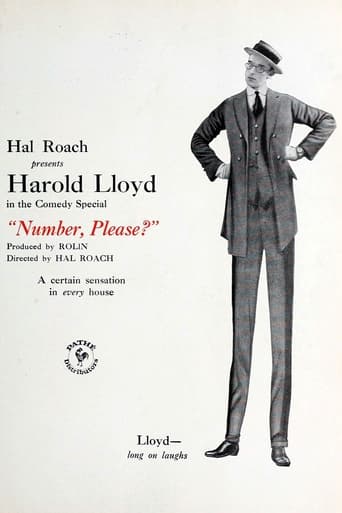
Number, Please?
1920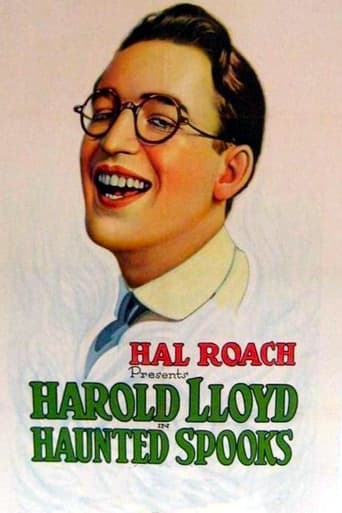
Haunted Spooks
1920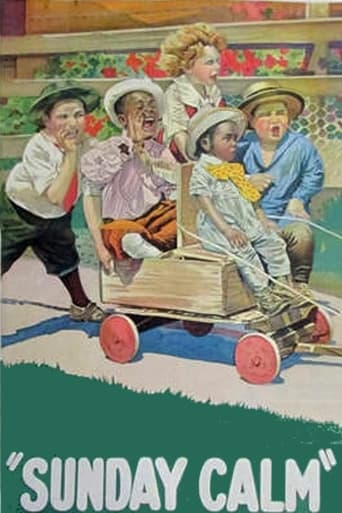
Sunday Calm
1923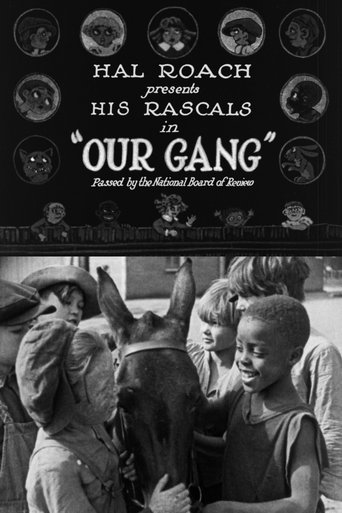
Our Gang
1922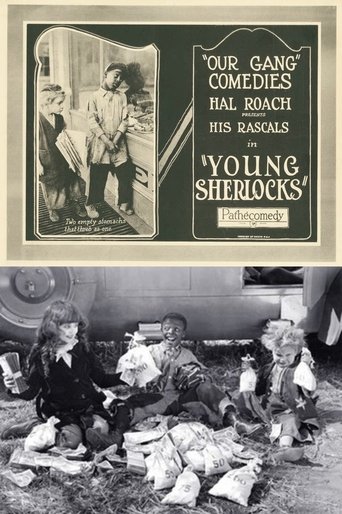
Young Sherlocks
1922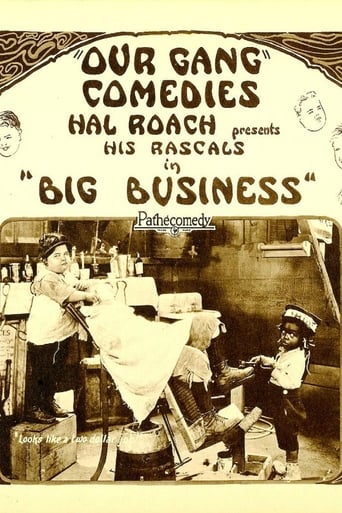
Big Business
1924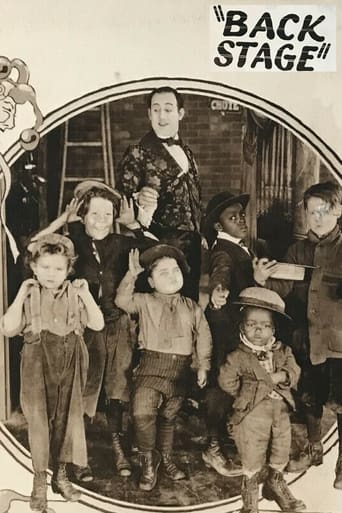
Back Stage
1923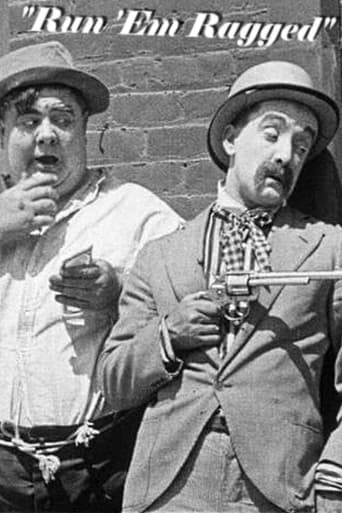
Run 'Em Ragged
1920
Boys of the City
1940
Spooks Run Wild
1941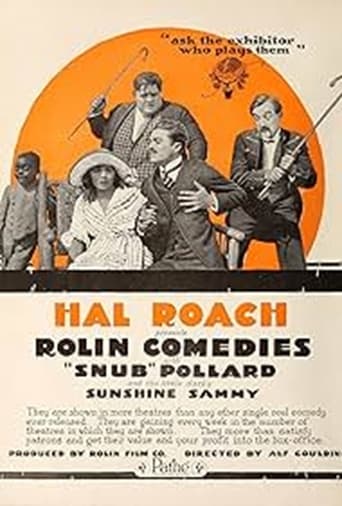
Park Your Car
1920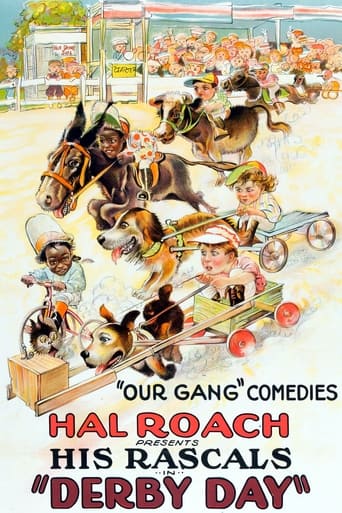
Derby Day
1923
Giants vs. Yanks
1923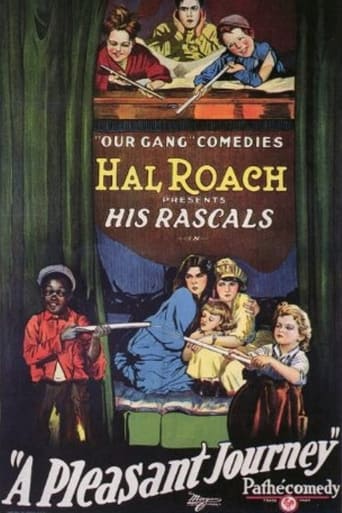
A Pleasant Journey
1923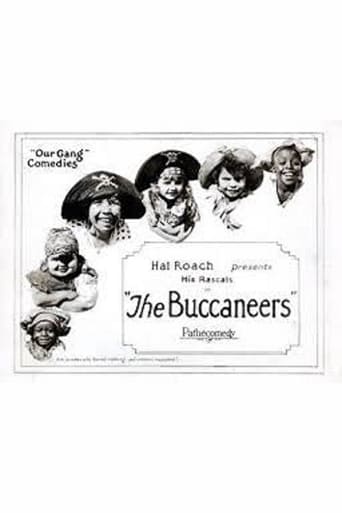
The Buccaneers
1924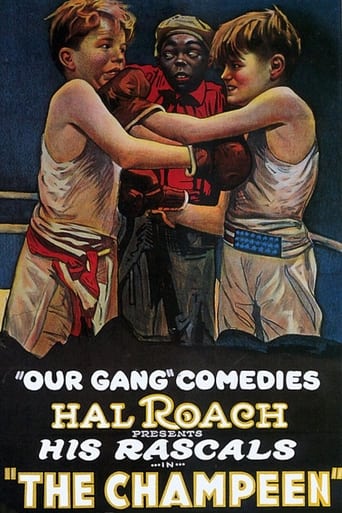
The Champeen
1923About Sunshine Sammy Morrison
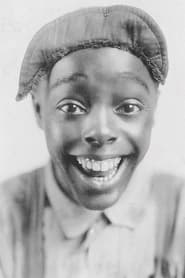
Ernest 'Sunshine Sammy' Morrison — African-American child actor who rose to fame as one of the original cast members of Hal Roach's 'Our Gang' comedy series in the 1920s. Born in New Orleans and raised in Los Angeles, Morrison began his film career at the tender age of 7, quickly becoming recognizable child stars of the silent era. His cheerful disposition and natural comedic timing earned him the nickname 'Sunshine Sammy,' making him a beloved figure among audiences of the time. After leaving the 'Our Gang' series in 1924, he continued his acting career in various comedy shorts and feature films throughout the 1920s and 1930s, successfully transitioning from silent films to talkies. Morrison appeared in numerous productions alongside comedy legends like Harold Lloyd and Charley Chase. As he entered adulthood, he found fewer opportunities in Hollywood due to racial barriers of the era, leading him to pursue other ventures including nightclub performances and later work as a security guard. Morrison lived to see the revival of interest in classic films and 'Our Gang,' participating in reunion events and interviews before his death in 1989, leaving behind a legacy as one of Hollywood's first African-American child stars.
The Craft
On Screen
Morrison was known for his natural, energetic comedic style that transcended the typical child actor performances of his era. His screen presence was characterized by an infectious smile, expressive facial features, and impeccable timing that made him stand out even in ensemble casts. Unlike many child actors of the period, Morrison possessed a genuine charisma that connected directly with audiences, avoiding the overly theatrical style common in silent film acting. His performances often showcased a blend of innocence and street-smart humor that made his characters relatable and endearing.
Milestones
- Original cast member of 'Our Gang' comedy series (1922-1924)
- One of the first African-American child stars in Hollywood
- Successful transition from silent films to talkies
- Appeared in over 50 films during his career
- Worked with Hal Roach Studios extensively
- Performed in comedy shorts with Harold Lloyd
- Became a nightclub entertainer in later years
Best Known For
Iconic Roles
Must-See Films
Accolades
Working Relationships
Worked Often With
Studios
Why They Matter
Impact on Culture
Sunshine Sammy Morrison broke significant racial barriers in Hollywood as one of the first African-American child actors to achieve widespread recognition in American cinema. His presence in the 'Our Gang' series during the 1920s helped normalize interracial friendship on screen, even if the roles were sometimes constrained by the racial attitudes of the era. Morrison's success paved the way for future generations of African-American performers in Hollywood, demonstrating that Black actors could appeal to mainstream audiences. His work contributed to the cultural landscape of American comedy during the silent film era, and his legacy continues to be recognized by film historians and scholars studying race in early cinema.
Lasting Legacy
Morrison's lasting legacy lies in his role as a trailblazer for African-American performers in Hollywood. As one of the original members of 'Our Gang,' he remains an important figure in the history of American comedy and children's entertainment. His active years covered the transition from silent films to talkies, making him a living link between two major eras of cinema history. Film historians often cite Morrison as an example of early African-American representation in mainstream media, and his story provides insight into both the opportunities and limitations faced by Black performers in early Hollywood. The continued popularity of 'Our Gang' films through syndication and home video has ensured that Morrison's performances continue to be seen by new generations.
Who They Inspired
Morrison influenced subsequent generations of African-American child actors by demonstrating that Black performers could achieve success in mainstream entertainment. His natural acting style and screen presence set a standard for child performers that went beyond racial boundaries. Later African-American actors in film and television, including those who appeared in remakes and adaptations of 'Our Gang,' followed in the path Morrison helped create. His career also influenced how Hollywood approached casting in ensemble comedies, showing that diverse casts could appeal to broad audiences.
Off Screen
Morrison was born into a family that moved from New Orleans to Los Angeles during his childhood. He married Thelma Forrester and had several children. After his acting career diminished, he worked various jobs including as a security guard and later found success performing in nightclubs. He maintained connections with the entertainment industry throughout his life and participated in 'Our Gang' reunions in his later years. Morrison was known for his positive outlook and remained proud of his role in Hollywood history.
Education
Attended local schools in Los Angeles while pursuing his acting career
Family
- Thelma Forrester (1935-1989)
Did You Know?
- He earned the nickname 'Sunshine Sammy' for his perpetually cheerful disposition on screen
- He was the first African-American actor to sign a long-term contract with a major Hollywood studio
- Morrison was just 7 years old when he began his film career
- His mother was a laundress and his father worked as a Pullman porter
- He was one of the few original 'Our Gang' members to live into the 1980s
- Morrison successfully transitioned to sound films when many silent era actors could not
- He worked as a security guard at a hospital in his later years before returning to entertainment
- His final film appearance was in 1941's 'Reg'lar Fellers'
- He was featured in the Academy Award-winning documentary 'The Little Rascals: The Life & Times of Our Gang'
In Their Own Words
Frequently Asked Questions
Who was Sunshine Sammy Morrison?
What films is Sunshine Sammy Morrison best known for?
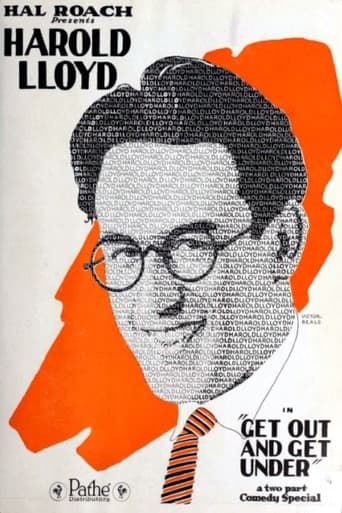
Titles linked here include Our Gang series (1922-1924), Get Out and Get Under (1920).
When was Sunshine Sammy Morrison born and when did he die?
Born December 20, 1912; died July 24, 1989.
What awards did Sunshine Sammy Morrison win?
While Morrison did not receive formal awards during his active career, he has been posthumously recognized as a figure in Hollywood history and was inducted into the Our Gang Hall of Fame for his groundbreaking work as one of the first African-American child stars.
What was Sunshine Sammy Morrison's acting style?
Morrison was known for his natural, energetic comedic style characterized by an infectious smile, expressive features, and impeccable timing. Unlike many child actors of his era, he possessed genuine charisma that connected directly with audiences, avoiding the overly theatrical style common in silent film acting.
How did Sunshine Sammy Morrison influence later actors?
Morrison paved the way for future generations of African-American performers by demonstrating that Black actors could achieve mainstream success. His natural acting style set standards for child performers regardless of race, and his career influenced Hollywood's approach to diverse casting in ensemble comedies.
What happened to Sunshine Sammy Morrison after his acting career?
After his film career diminished in the 1940s, Morrison worked various jobs including as a security guard and later found success as a nightclub entertainer. He participated in 'Our Gang' reunions in his later years and lived to see renewed interest in classic films before his death in 1989.