

Our Gang
"Our Gang saves the corner store"
Keys: Space play/pause · ←/→ 10s · F fullscreen · M mute · </> speed
About this film
When a ruthless merchant undercuts a widow's shop, the Our Gang kids organize to save her business. The 1922 Hal Roach short launches the long-running kid ensemble.
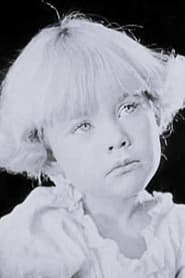
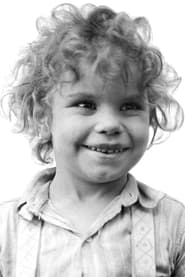
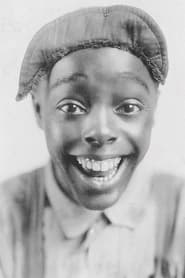
Cast & crew
More Comedy films
View all →






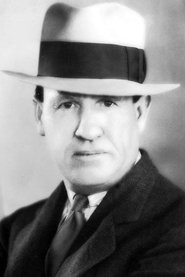
More from Robert F. McGowan
View all →

More about this film
About the production
Release dateOctober 29, 1922
Box officeBox office records not maintained for short subjects in this era
ProductionHal Roach Studios
Filmed inHal Roach Studios, Culver City, California
This was one of the earliest entries in the Our Gang series, filmed during the transition period when the studio was still developing the format and cast. The production utilized natural lighting and outdoor sets typical of early 1920s comedy shorts. The film was shot in approximately 3-4 days, standard for Roach's two-reel productions of the time. The child actors were often given basic direction and encouraged to improvise within the scene's framework, creating more natural performances.
Themes
Community solidarityChildhood innocenceEconomic justiceSmall-town valuesStanding up against injustice
Themes & topics
Historical background
Released in 1922, Our Gang belongs to the silent feature period and reflects production norms of its release season.
Why this film matters
Our Gang contributes to understanding regional output and audience tastes around 1922.
Making of
The production of this early Our Gang entry was typical of Hal Roach's efficient studio system. Robert F. McGowan, who directed most of the early Our Gang films, had a unique ability to work with child actors, often allowing them to improvise while maintaining the basic story structure. The filming took place on the Hal Roach studio backlot, where a complete small town street set was constructed. The child actors were not professional performers but local children recruited by the studio, which contributed to their natural behavior on screen. During filming, the production faced challenges with keeping the young actors focused between takes, leading McGowan to develop techniques for maintaining their attention. The film's business rivalry theme was inspired by actual small town dynamics of the 1920s, making it relatable to contemporary audiences. The cast rehearsed for only a day before shooting began, as Roach believed spontaneity was key to the series' success. The merchant's store was fully stocked with real period merchandise, some of which was accidentally damaged during the chaotic scenes depicting the gang's interventions.
What critics said
Review records for Our Gang are typical of 1922: brief for shorts, more sustained for features.
Did you know?
- This was the 14th entry in the Our Gang series, which began earlier in 1922
- The film was originally titled 'The Merchant' before being changed to simply 'Our Gang'
- Anna Mae Bilson, who played the widow, was one of the few adult actors to receive significant screen time in early Our Gang films
- Jackie Condon was one of the original cast members and appeared in over 80 Our Gang films throughout the 1920s
- Mickey Daniels was especially popular child stars of the early Our Gang era, known for his freckles and expressive acting
- The film was shot during the silent era but was later re-released with synchronized music and sound effects in the early sound era
- Hal Roach reportedly came up with the concept for the release based on real-life small town business rivalries
- The merchandise shown in the competing stores was authentic 1920s products, many of which are now valuable collector's items
- the release helped establish the formula of the gang helping adults in need, which became a recurring theme throughout the series
- The original nitrate film prints were considered lost for decades until a copy was discovered in a European archive in the 1970s
Awards & recognition
- No significant awards were given to short comedy films in 1922
Visual style
The film was photographed by Robert F. Smith, who utilized the standard techniques of early 1920s comedy cinematography. The camera work was straightforward and functional, designed primarily to clearly capture the action and performances of the child actors. The film employed the common practice of using natural outdoor lighting for exterior scenes, which gave the images a bright, cheerful quality appropriate to the comedy genre. Interior scenes were lit using the available studio lighting equipment of the time, creating high contrast images typical of silent film cinematography. The camera remained relatively static by modern standards, with basic tracking shots and pans used to follow the action. The visual composition emphasized the small-town setting, with wide shots establishing the locations and medium shots capturing the children's performances. The film's visual style was consistent with Hal Roach Studios' approach to comedy photography, prioritizing clarity and visibility of gags over artistic experimentation.
Innovations
While not technically innovative for its time, the film demonstrated the efficiency and professionalism of the Hal Roach Studios production system. The film was shot on 35mm film using the standard equipment of the period, with typical filming speeds of 16-18 frames per second for silent comedies. The production utilized the studio's established workflow for two-reel comedies, completing filming in just a few days. The film's editing employed standard continuity techniques of the era, with clear shot sequencing to tell the story effectively. The use of real locations and authentic props rather than studio-created sets added to the film's realistic quality. The film demonstrated effective use of intertitles to convey dialogue and narrative information, which was crucial for silent comedy storytelling. The production's ability to coordinate multiple child actors in complex scenes represented a significant organizational achievement for the time.
Music
As a silent film, the original release had no synchronized soundtrack but would have been accompanied by live music in theaters. Typical theater orchestras or organists would have performed appropriate background music, likely using popular songs of the era and classical pieces suited to the comedic action. When the film was re-released in the early sound era, it was fitted with a synchronized musical score and sound effects by the Hal Roach Studios music department. The added soundtrack included generic comedic music cues, sound effects for the slapstick moments, and possibly some basic theme music for the Our Gang series. The original musical selections for the 1922 release would have been left to the discretion of individual theater musicians, who often compiled their own cue books for popular films of the period. No original score or specific musical compositions were created specifically for the release's initial release.
Famous quotes
'We gotta help Mrs. Wilson! That new fella's cheatin' her!' - Gang member
'Us kids know right from wrong, even if grown-ups forget sometimes!' - Jackie Condon
'There's more ways to help than just bein' big!' - Mickey Daniels
'A promise is a promise, 'specially when it's to help somebody!' - Gang member
'Maybe we're little, but we're mighty when we stick together!' - Gang leader
Memorable scenes
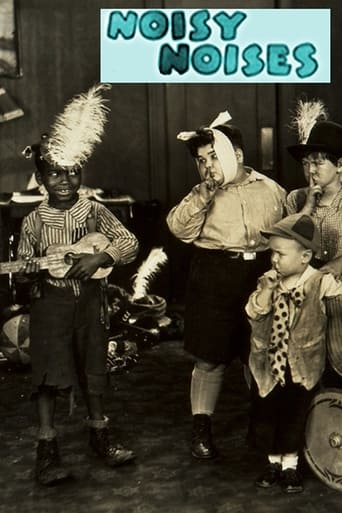
- The gang's secret meeting where they plan their strategy to help the widow, showing their determination and childish seriousness. The scene where the children create a diversion outside the dishonest merchant's store, using homemade noisemakers and coordinated chaos to drive customers away. The heartwarming finale where the townspeople, influenced by the children's actions, return to support the widow's store, demonstrating the power of community solidarity. The confrontation scene where the gang directly challenges the merchant, using their innocence and honesty to expose his wrongdoing. The sequence where the children use their allowance money to make purchases at the widow's store, encouraging others to do the same.
What audiences thought
The film was well-received by audiences of its time, becoming a popular attraction in theaters where it was shown. Children particularly enjoyed seeing kids their age in heroic roles, while adults appreciated the film's moral message and nostalgic portrayal of small-town life. The Our Gang series was already building a loyal following by late 1922, and this entry helped solidify its popularity. Audience letters to film magazines of the era frequently mentioned the Our Gang comedies as favorites, with many viewers expressing admiration for the natural performances of the child actors. The film's theme of children helping adults resonated strongly with family audiences, making it a reliable choice for theater programmers. In later years, as the film was rediscovered through television broadcasts and home video releases, it continued to charm new generations of viewers, though some modern audiences found aspects of the film dated compared to later entries in the series.
Film connections
Influenced by
- Earlier Mack Sennett comedy shorts
- Charlie Chaplin's work with child actors
- Harold Lloyd's small-town comedies
- Contemporary vaudeville routines
- Progressive Era social reform literature
This film influenced
- Later Our Gang/Little Rascals episodes
- The Bowery Boys series
- The Little Rascals television series
- Modern family comedy films
- Children's adventure television shows
Film restoration
The film was believed lost for many years but a complete 35mm nitrate print was discovered in the Czechoslovakian Film Archive in the 1970s. The film has since been preserved by the Museum of Modern Art and the UCLA Film and Television Archive. A restored version was released as part of the 'Our Gang: The Complete Collection' DVD set. While some deterioration is visible due to the nitrate stock's age, the film is considered to be in good condition for its age. The preservation includes the original intertitles and the complete footage as originally released. Digital restoration efforts have further improved the film's visual quality for modern viewing.
Where to watch
- Available on DVD in 'Our Gang: The Complete Collection' from Warner Home Video
- Streaming on The Criterion Channel as part of their Hal Roach comedy collection
- Available for digital purchase on Amazon Prime Video and iTunes
- Occasionally screened at film festivals and classic cinema revival houses
- Accessible through some university film archives and library collections
- Available on some classic film streaming services specializing in silent cinema