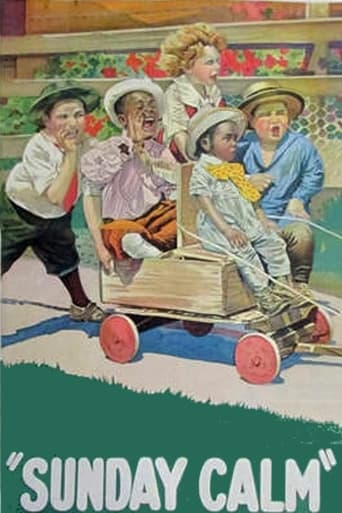
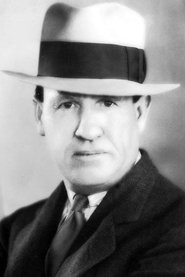
Robert F. McGowan
Director
Born: July 11, 1882 in Denver, Colorado, USA Died: January 27, 1955 Active: 1919-1939 Birth Name: Robert Francis McGowan
Films
31 films
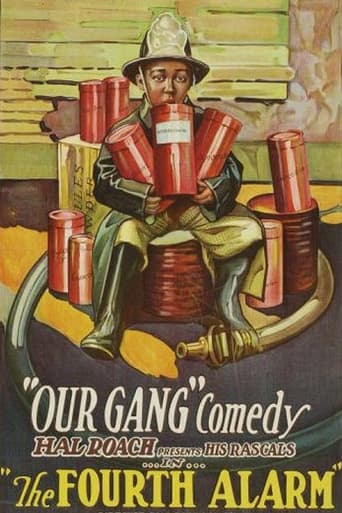
The Fourth Alarm
1926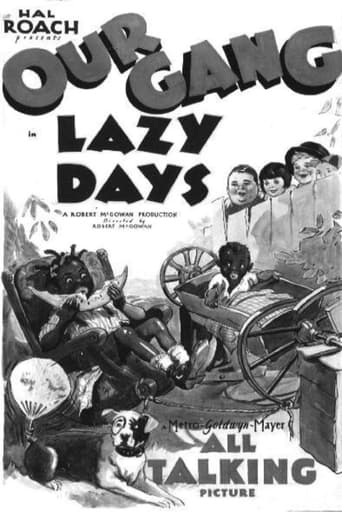
Lazy Days
1929
Moan & Groan, Inc.
1929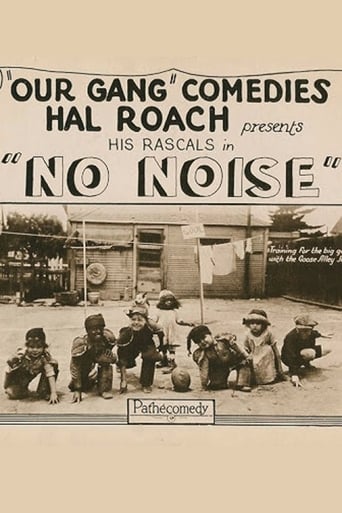
No Noise
1923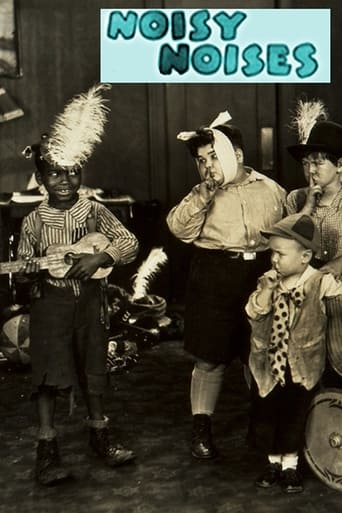
Noisy Noises
1929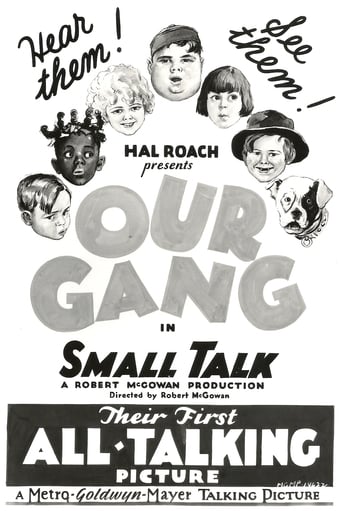
Small Talk
1929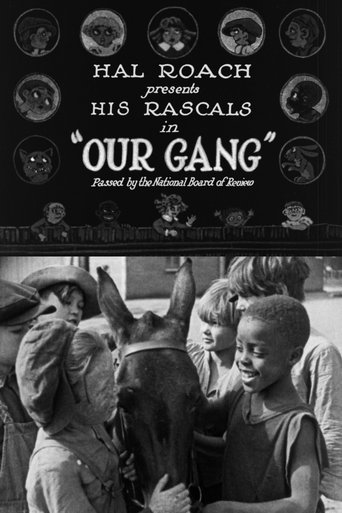
Our Gang
1922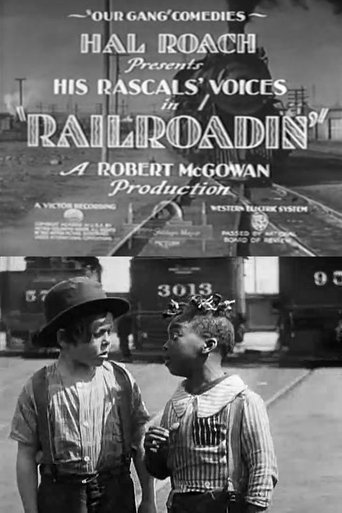
Railroadin'
1929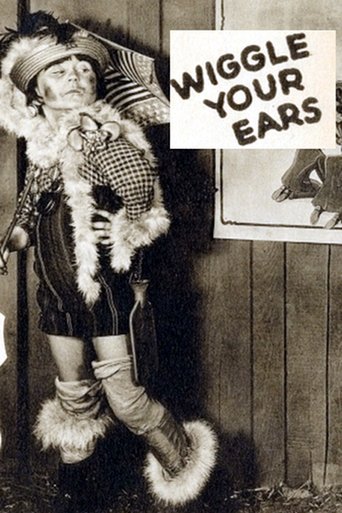
Wiggle Your Ears
1929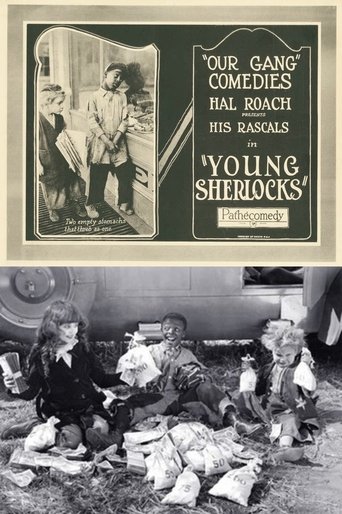
Young Sherlocks
1922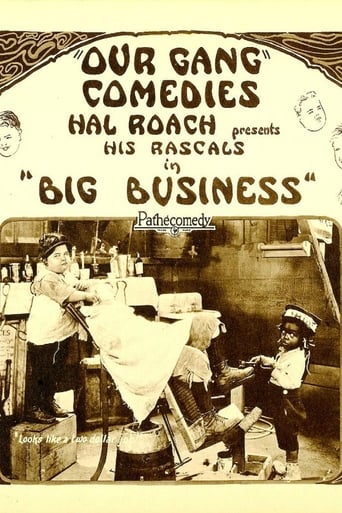
Big Business
1924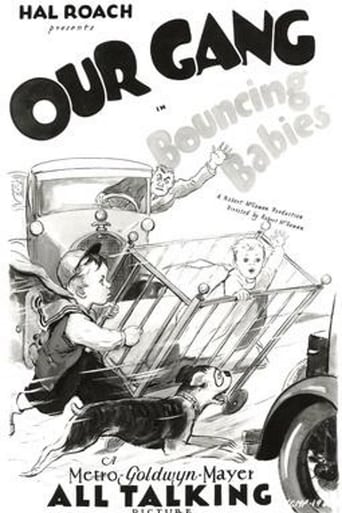
Bouncing Babies
1929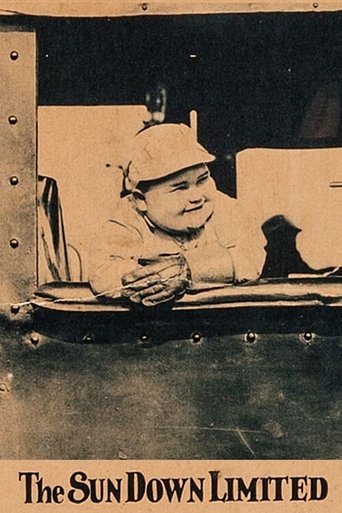
The Sun Down Limited
1924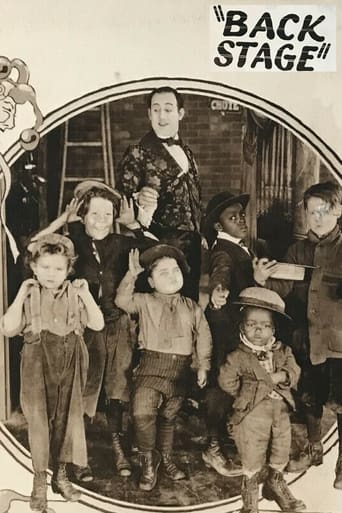
Back Stage
1923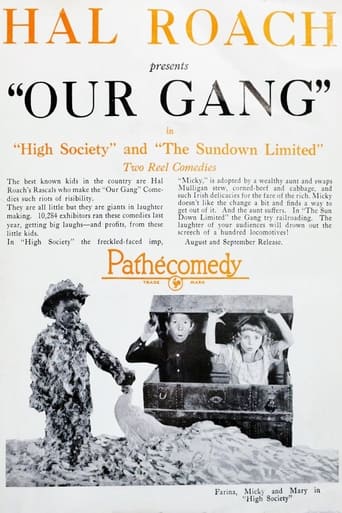
High Society
1924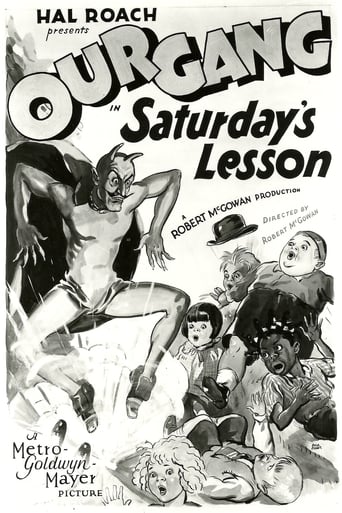
Saturday's Lesson
1929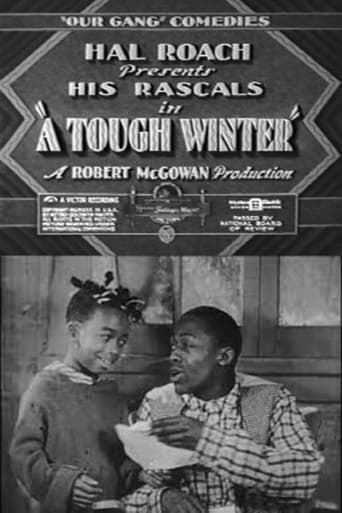
A Tough Winter
1930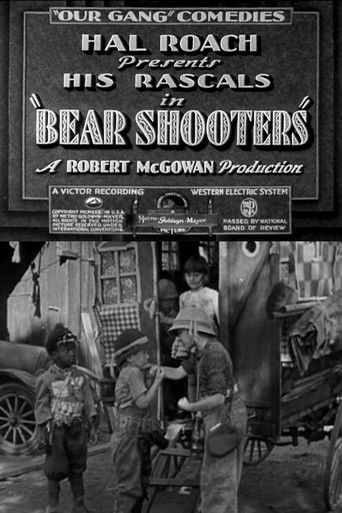
Bear Shooters
1930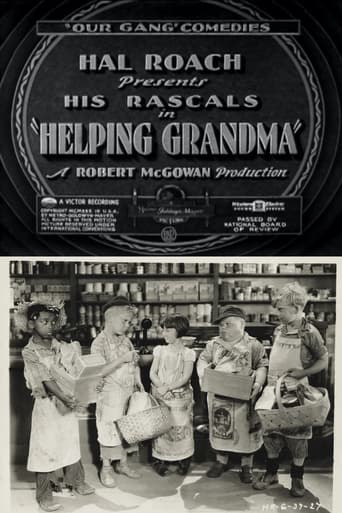
Helping Grandma
1931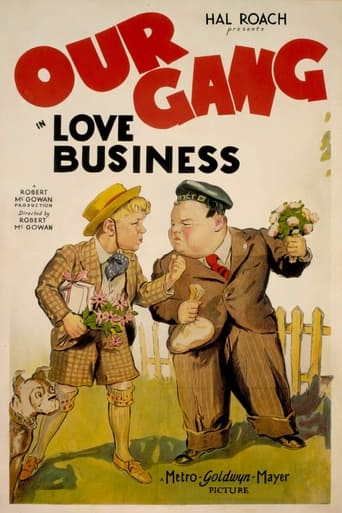
Love Business
1931
Pups Is Pups
1930
The First Seven Years
1930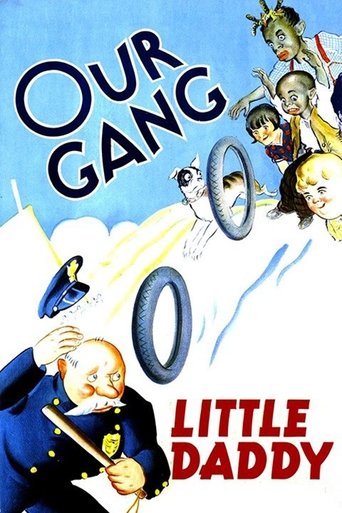
Little Daddy
1931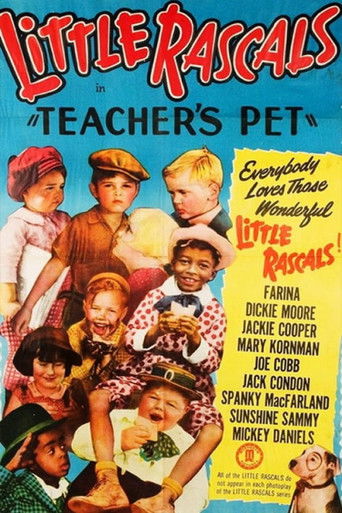
Teacher's Pet
1930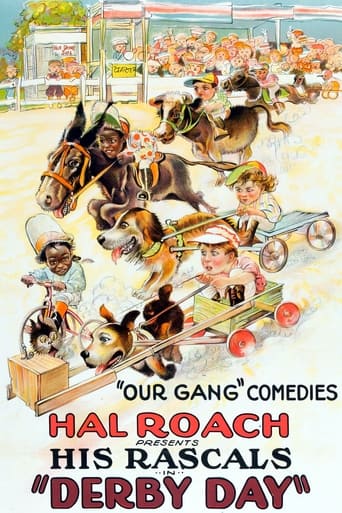
Derby Day
1923
Giants vs. Yanks
1923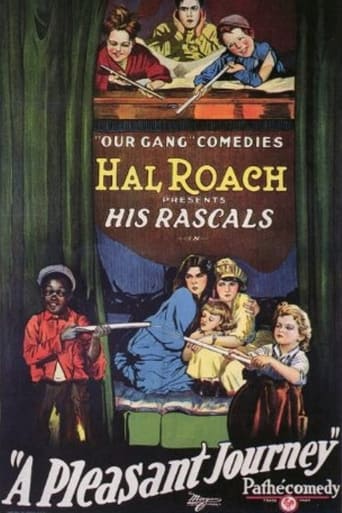
A Pleasant Journey
1923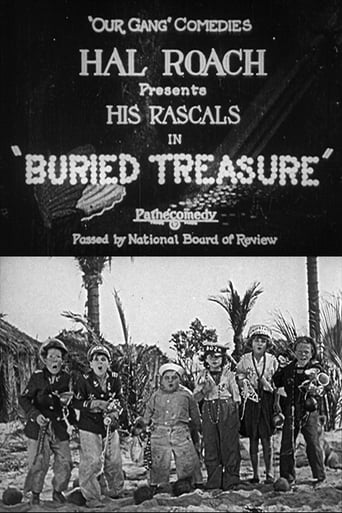
Buried Treasure
1926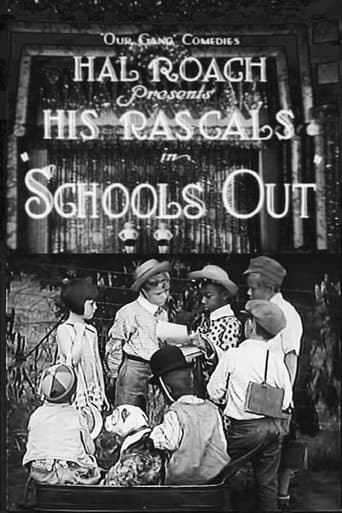
School's Out
1930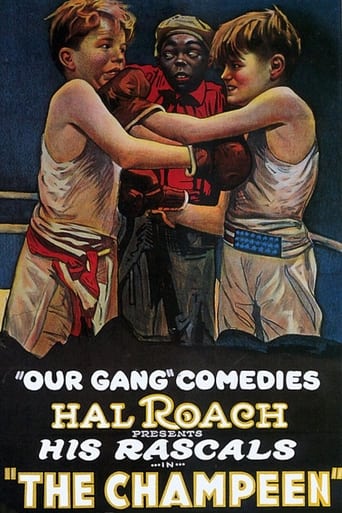
The Champeen
1923About Robert F. McGowan
Director of comedy shorts during the silent era and early sound period, best known for his extensive work on the Our Gang series. He joined Hal Roach Studios in the early 1920s and quickly became instrumental in developing the Our Gang format, directing over 80 of the comedy shorts between 1922 and 1929. McGowan possessed a unique talent for working with child actors, creating an authentic, naturalistic style that made the children's performances believable and endearing. His directing approach emphasized improvisation and allowing the kids to be themselves rather than forcing them into rigid performances. After leaving Our Gang, he continued directing other comedy shorts and features throughout the 1930s, though he never again achieved the same level of success. McGowan's work on Our Gang established many of the conventions that would define children's comedy in cinema for decades. His influence extended beyond his own films, as he mentored other directors who would work with child performers and developed techniques that became industry standards.
The Craft
Behind the Camera
McGowan's directing style was characterized by his remarkable patience and ability to capture natural, unscripted moments from child actors. He believed in creating a comfortable, playground-like atmosphere on set where children could be themselves rather than performing. His technique involved minimal direction during takes, allowing the kids to improvise and interact naturally. McGowan often spent entire days waiting for the perfect spontaneous moment that would result in genuine comedy. He emphasized authenticity over polish, preferring rough but real performances over perfectly rehearsed ones. His approach was revolutionary for its time, treating child actors as collaborators rather than props, and allowing their personalities to shine through in their characters.
Milestones
- Directed over 80 Our Gang comedy shorts (1922-1929)
- Developed the naturalistic style of directing child actors
- Pioneered improvisational techniques with children
- Established the template for children's comedy cinema
- Mentored other directors in working with child performers
- Created many of the most memorable early Our Gang episodes
Best Known For
Must-See Films
Accolades
Special Recognition
- Pioneer in children's comedy cinema
- Influential director in early Hollywood comedy
Working Relationships
Worked Often With
Studios
Why They Matter
Impact on Culture
Robert F. McGowan's impact on cinema, particularly children's entertainment, was profound and lasting. Through his work on Our Gang, he essentially created the template for children's comedy that would influence generations of filmmakers and television producers. His naturalistic approach to directing children revolutionized how young performers were treated in Hollywood, shifting from the stiff, theatrical style of earlier films to a more authentic representation of childhood. The Our Gang series became.' McGowan's techniques for working with child actors—emphasizing patience, improvisation, and authenticity—became industry standards that continue to influence filmmakers today. The series also broke racial barriers for its time by featuring an integrated cast of children playing together as equals, though this aspect evolved and sometimes regressed throughout the series' long run.
Lasting Legacy
Robert F. McGowan's legacy endures through the continued popularity of the Our Gang/Little Rascals comedies he helped create. His directing techniques for working with children became foundational in both film and television, influencing countless productions from 'The Mickey Mouse Club' to modern children's programming. Many of the child actors he directed, particularly Jackie Cooper, went on to successful adult careers, crediting McGowan's approach with helping them develop their craft. The Our Gang characters he helped establish—Spanky, Alfalfa, Darla, Buckwheat, and others—became cultural icons recognized worldwide. His emphasis on capturing authentic childhood moments rather than forcing performances created a new standard in children's entertainment that prioritized realism over artificiality. The series' enduring popularity, with new generations discovering the films through television and home video, testifies to the timeless quality of the comedy McGowan helped craft.
Who They Inspired
McGowan's influence can be seen in the work of numerous directors who followed him in working with child actors. His nephew Anthony Mack adopted many of his techniques when he took over directing some Our Gang shorts. Directors like John Hughes, known for films such as 'Home Alone' and 'The Breakfast Club,' employed similar approaches to capturing authentic youth performances. Television producers of children's programming, from the creators of 'The Mickey Mouse Club' to modern shows like 'Stranger Things,' have built upon McGowan's foundation of treating young performers as collaborators. His improvisational techniques influenced the development of comedy workshop methods used in acting schools. The documentary style he sometimes employed, capturing children in seemingly unscripted moments, prefigured later reality television approaches to working with non-professional performers.
Off Screen
Robert F. McGowan married actress Flora Parker DeHaven in 1911, and they remained married until her death in 1950. Their son, Robert McGowan Jr., followed in his father's footsteps and became a film director. McGowan was known as a family man who maintained a relatively private personal life despite his success in Hollywood. He was described by colleagues as patient, kind, and particularly good with children both on and off set. After his wife's death, McGowan lived a quiet life in Los Angeles until his own death in 1955 at the age of 72.
Education
Limited formal education; largely self-taught in filmmaking through practical experience
Family
- Flora Parker DeHaven (1911-1950)
Did You Know?
- Directed over 80 Our Gang shorts, more than any other director in the series' history
- His nephew Anthony Mack also directed Our Gang shorts, creating a family connection to the series
- Was known for his extreme patience with child actors, sometimes spending entire days waiting for the perfect natural moment
- Often incorporated the children's real-life personalities and quirks into their on-screen characters
- The famous 'Our Gang' theme music 'Good Old Days' was introduced during his tenure as director
- Despite his significant contributions, McGowan rarely gave interviews and remained relatively unknown to the general public
- His son, Robert McGowan Jr., directed episodes of 'The Little Rascals' television series in the 1950s
- Many of the comedy techniques he developed are still used in children's programming today
- Was one of the first directors to successfully integrate sound into comedy shorts featuring children
- His departure from Our Gang in 1929 marked a significant stylistic shift in the series
In Their Own Words
The secret to directing children is knowing when not to direct
Kids are naturally funny; you just have to let them be themselves
Sometimes the best comedy comes from waiting five hours for a child to do something naturally that you could never script
I don't direct children, I just point the camera at them being children
The hardest part of my job is getting the adults to stay out of the way of the kids' comedy
Frequently Asked Questions
Who was Robert F. McGowan?
on YTB.my. He was renowned for his innovative techniques in working with child actors, creating a naturalistic style that revolutionized children's comedy in cinema.
What films is Robert F. McGowan best known for?
Titles linked here include Our Gang series (1922-1929), Young Sherlocks (1922).
When was Robert F. McGowan born and when did he die?
Born July 11, 1882; died January 27, 1955.
What awards did Robert F. McGowan win?
While Robert F. McGowan did not receive major formal awards during his career, he is recognized as a pioneer in children's comedy cinema and an influential director in early Hollywood. His greatest recognition came through the lasting popularity and cultural impact of the Our Gang films he directed, which continue to be celebrated decades later.
What was Robert F. McGowan's directing style?
McGowan's directing style emphasized patience, improvisation, and authenticity when working with child actors. He created a comfortable, playground-like atmosphere on set where children could be themselves rather than performing. His technique involved minimal direction during takes, allowing natural interactions and spontaneous moments to create genuine comedy, revolutionizing how children were directed in Hollywood.