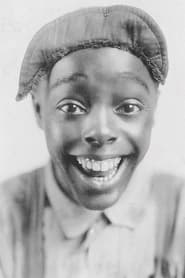

Young Sherlocks
"Boyhood boasts and imagined heroism"
Keys: Space play/pause · ←/→ 10s · F fullscreen · M mute · </> speed
About this film
The Mystic J.J.J.'s challenge Ernie's bravery; he spins a tale of saving a rich young girl from kidnappers and of creating a utopia called Freetown.
Cast & crew
More Comedy films
View all →






More from Robert F. McGowan
View all →

More about this film
About the production
Release dateOctober 15, 1922
Box officeUnknown (Our Gang shorts were typically profitable rentals for theaters)
ProductionHal Roach Studios
Filmed inHal Roach Studios, Culver City, California
This was one of the earlier Our Gang shorts, filmed during the series' formative years. The production utilized the studio's backlot sets and local Los Angeles locations. The children often performed their own stunts under supervision, and scenes were typically shot quickly to accommodate the young actors' attention spans. The film was shot on 35mm black and white film stock standard for the era.
Themes
Childhood imagination and storytellingBravery and courageFriendship and loyaltyTruth vs. exaggerationSocial hierarchy among children
Themes & topics
kidnappingdetective parodystorytellingboastingchildren's adventureutopiasecret societybravery challengeimaginationfriendship
Historical background
Programmers in 1922 slotted Young Sherlocks from Hal Roach Studios beside newsreels, cartoons, and serial chapters.
Why this film matters
Repertory houses screen Young Sherlocks to show how 1922 filmmakers staged the mystic j.
Making of
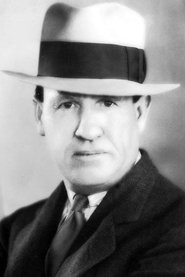
The production of 'Young Sherlocks' followed the typical Hal Roach Studios approach to Our Gang shorts, with emphasis on naturalistic child performances rather than the highly stylized acting common in other children's films of the era. Director Robert F. McGowan was known for his patience working with child actors, often allowing them to improvise and be themselves rather than strictly following scripts. The filming process was challenging due to the young cast's limited attention spans, so scenes were shot quickly and out of sequence to maximize efficiency. The studio maintained a school on set to comply with child labor laws, and filming was often scheduled around the children's school hours. The kidnapping plot elements were carefully staged to be exciting but not genuinely frightening to the young performers or audience members. The 'Freetown' sequences were likely filmed on the studio's backlot using existing sets modified to look like a child's ideal community.
What critics said
Repertory notes on Young Sherlocks highlight survival of the print more than 1922 box-office records.
Did you know?
- This was the 26th Our Gang comedy short produced by Hal Roach Studios
- The title 'Young Sherlocks' references the famous detective Sherlock Holmes, popular in both literature and film adaptations during the 1920s
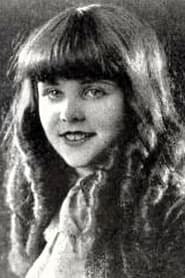
- Peggy Cartwright was one of the original female cast members of Our Gang and appeared in over 20 shorts before leaving the series in 1923
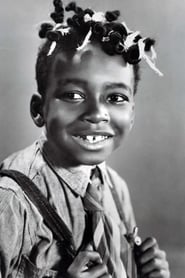
- Allen 'Farina' Hoskins, though listed in the cast, had a relatively minor role in this particular short as his character was still being developed
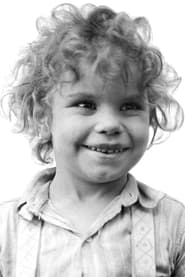
- Jackie Condon's character Ernie was one of the more prominent members of the early Our Gang cast
- The film was released during the height of the silent film era, when comedy shorts were a staple of theater programming
- Many early Our Gang films like this one are now considered lost, with only fragments or still photographs remaining
- The 'Mystic J.J.J.'s' was a fictional secret society created for the plot, parodying the fraternal organizations and secret clubs popular in the 1920s
- This short was released just a few months before the first feature-length Our Gang film 'Our Gang' in December 1922
- The film's intertitles were written by H.M. Walker, who wrote most of the intertitles for Hal Roach productions during this period
Visual style
The cinematography in 'Young Sherlocks' followed the standard practices for Hal Roach comedy shorts of the early 1920s. The film was likely shot by Robert Martin or another Roach staff cinematographer using 35mm black and white film stock. The visual style emphasized clarity and composition suitable for comedy, with medium shots preferred to capture the children's performances and reactions. The camera work was functional rather than artistic, prioritizing the visibility of gags and action over elaborate techniques. Natural lighting was used extensively for outdoor scenes, while studio interiors employed the standard lighting setups of the era. The kidnapping sequences would have featured more dramatic lighting to create suspense, while the Freetown scenes would have been brighter and more cheerful. The cinematography supported the film's comedic timing through careful framing and movement, ensuring that visual gags were clearly visible to theater audiences.
Innovations
While 'Young Sherlocks' did not introduce major technical innovations, it employed the refined production techniques that Hal Roach Studios had developed for their comedy shorts. The film utilized the standard 24 frames per second rate that had become industry norm by 1922. The studio's experience with child actors led to specialized techniques for capturing natural performances, including hidden cameras and longer takes to allow spontaneous moments. The kidnapping sequences may have employed rudimentary special effects such as matte shots or multiple exposures to enhance the dramatic elements. The film's editing would have followed the fast-paced rhythm characteristic of comedy shorts, with careful attention to timing for maximum comedic effect. The production benefited from the studio's efficient workflow system, which allowed them to produce high-quality shorts on tight schedules and budgets, a technical achievement in itself for the era.
Music
As a silent film, 'Young Sherlocks' did not have an original synchronized soundtrack. The musical accompaniment would have been provided live in theaters by pianists, organists, or small orchestras using compiled cue sheets or improvised music. Typical accompaniment for Our Gang comedies included popular songs of the era, classical pieces adapted for comedic effect, and original mood music. The kidnapping scenes would have been accompanied by dramatic, suspenseful music, while the Freetown sequences would have featured lighter, more cheerful melodies. The film's intertitles, written by H.M. Walker, would have been accompanied by appropriate musical transitions. Some larger theaters might have used special sound effects during screenings to enhance the comedy, though this was not standardized across all venues. The musical experience would have varied significantly from theater to theater, contributing to the unique nature of silent film exhibition.
Famous quotes
I'm not afraid of anything! I once saved a millionaire's daughter from kidnappers!
Welcome to Freetown, where everyone is free and happy!
The Mystic J.J.J.'s challenge us to prove our bravery!
In Freetown, there are no grown-ups to tell us what to do!
I'm the bravest kid in the whole gang!
Memorable scenes
- Ernie's elaborate storytelling sequence where he describes the kidnapping rescue with increasingly dramatic gestures and expressions
- The creation of Freetown, where the children establish their own perfect society with comical rules and regulations
- The confrontation with The Mystic J.J.J.'s, where Ernie must prove his courage through his fantastic tales
- The final revelation scene where the truth behind Ernie's stories is humorously exposed
What audiences thought
Audiences in 1922 enthusiastically received 'Young Sherlocks' and other Our Gang shorts, with the series becoming especially popular comedy franchises of the silent era. Children particularly identified with the gang's adventures and mischief, while adults appreciated the wholesome entertainment and nostalgic portrayal of childhood. The shorts were reliable crowd-pleasers in theaters across America, often used as proven programming to fill out double bills. The Our Gang characters became household names, with merchandise like dolls and books featuring the gang members becoming popular. The series' appeal transcended regional and demographic boundaries, making it among the leading universally successful film properties of its time. Even decades later, these early shorts continued to find audiences through theatrical re-releases and early television broadcasts, though many, including 'Young Sherlocks,' have unfortunately been lost to time.
Film connections
Influenced by
- Sherlock Holmes stories by Arthur Conan Doyle
- Earlier Our Gang shorts
- Contemporary detective films
- Hal Roach's comedy style
- Silent era comedy traditions
- Childhood adventure literature
- Mystery serials of the 1920s
This film influenced
- Later Our Gang shorts with mystery themes
- The Little Rascals television episodes
- Children's adventure comedies
- Mystery parody films
- Modern family films with child detectives
Film restoration
Unfortunately, 'Young Sherlocks' is considered a lost film. Like many silent era shorts, particularly comedy series entries, the original nitrate film elements have deteriorated or been destroyed over time. No complete copies are known to exist in major film archives or private collections. Only fragmentary information about the film's content survives through production records, reviews, and still photographs from the period. The loss of this and other early Our Gang shorts represents a significant gap in film history, as these works documented both the development of American comedy and rare examples of integrated casting from the silent era.
Where to watch
- As a lost film, 'Young Sherlocks' is not available for viewing in any format. Film enthusiasts can learn about it through historical documentation and may be able to find still photographs or production information in film archives or Our Gang reference books. Other surviving Our Gang shorts from the same period are available through various classic film distributors and streaming services specializing in silent cinema.