

Small Talk
"Wheezer and child"
Keys: Space play/pause · ←/→ 10s · F fullscreen · M mute · </> speed
About this film
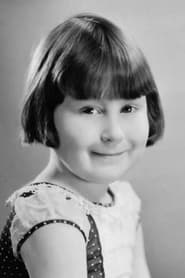
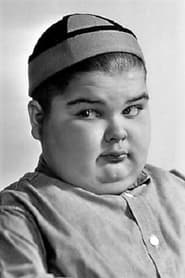
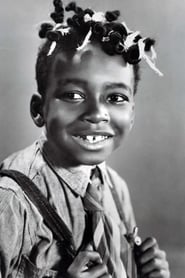
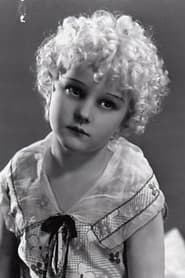
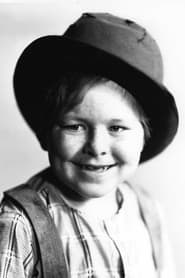
The gang are all orphans, hoping to be adopted by nice families where "spinach is not on the menu". Wheezer, the youngest child, gets adopted by a wealthy couple, while his older sister Mary Ann does not. The gang all comes to visit Wheezer in his new home, setting off an alarm that causes the police and the fire department to come over. At that time, Wheezer's new mother and father decide to adopt Mary Ann as well. The couple's friends all each adopt a child as well; even Farina is adopted by the maid at Wheezer's new home.
Cast & crew
More Comedy films
View all →






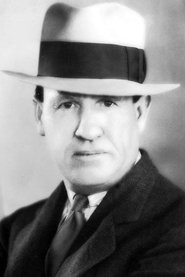
More from Robert F. McGowan
View all →

More about this film
About the production
Release dateJune 8, 1929
ProductionHal Roach Studios
Filmed inHal Roach Studios, Culver City, California
This was one of the final Our Gang shorts produced during the silent era, as the transition to sound was underway. The film was shot on a tight schedule typical of Hal Roach's efficient production system. The elaborate alarm system sequence required careful coordination and was considered technically ambitious for a short comedy. The adoption storyline was deliberately crafted to be both humorous and emotionally resonant, showcasing the series' ability to balance comedy with genuine pathos.
Themes
Family and belongingAdoption and orphanhoodSocial class differencesChildhood innocenceCommunity and friendship
Themes & topics
Historical background
Contemporary records classify Small Talk (1929) as 1929 short film directed by robert f. mcgowan, placing it within late silent cinema and the transition toward sound.
Why this film matters
Small Talk (1929) helps trace genre evolution, performer careers, and the material conditions of silent exhibition.
Making of
Robert F. McGowan, who directed most of the classic Our Gang comedies, was particularly proud of this installment for its perfect blend of humor and heart. The casting of Bobby 'Wheezer' Hutchins and Mary Ann Jackson as siblings was inspired by their natural chemistry on set. The alarm system sequence required extensive planning, with the production team designing a series of practical effects that would trigger in sequence. The child actors were given basic direction but encouraged to improvise within the scene's framework, resulting in many authentic moments. The adoption storyline was carefully handled to avoid being too sentimental while still delivering emotional impact. The film was shot during a period of transition at Hal Roach Studios, as sound stages were being constructed while silent productions continued.
What critics said
Where contemporary reviews survive, Small Talk is discussed in terms of audience appeal at release; later criticism often reframes it through archive restoration and festival programming.
Did you know?
- This was one of the last silent Our Gang shorts before the series fully transitioned to sound films
- The famous 'spinach is not on the menu' line became
- Mary Ann Jackson's emotional performance as the sister left behind was considered for child acting at the time
- Bobby 'Wheezer' Hutchins was only 3 years old during filming, making him one of the youngest Our Gang members ever
- The film was released just four months before the stock market crash of 1929, making its themes of finding security and family particularly poignant
- The alarm system sequence required multiple takes to perfect the timing of the various emergency responses
- This short showcases the largest ensemble cast of Our Gang regulars during this period
- The adoption theme reflected real social concerns about orphan care in America during the 1920s
- Director Robert F. McGowan was known for his ability to extract natural performances from child actors
- The mansion set was
Visual style
The cinematography by Art Lloyd employed the natural lighting style typical of Hal Roach productions, giving the film an authentic, documentary-like quality. The contrast between the orphanage and the wealthy family's mansion was effectively captured through lighting and composition. The alarm system sequence showcased innovative camera work, with multiple angles used to capture the escalating chaos. The film made effective use of close-ups to capture the children's expressions, particularly during emotional moments. The cinematography supported the storytelling without drawing attention to itself, maintaining the series' focus on naturalistic performances.
Innovations
The alarm system sequence in Small Talk represented a significant technical achievement for a short comedy of its time, requiring precise timing and coordination of multiple practical effects. The film demonstrated sophisticated editing techniques during the chaotic climax, cutting between various characters and responses to maintain comedic momentum. The production design of the wealthy family's home was unusually elaborate for a short film, featuring working props and detailed set dressing. The film's successful integration of comedy and emotional drama showcased the maturity of short-form filmmaking by the late 1920s. The preservation of natural child performances on film during this era was itself a technical achievement, requiring patient direction and innovative camera techniques.
Music
As a silent film, Small Talk would have been accompanied by live musical scores in theaters, typically provided by theater organists or small orchestras. The score likely included popular songs of the era along with original compositions tailored to the on-screen action. Musical cues would have emphasized the emotional moments during the adoption scenes and provided comedic punctuation during the alarm sequence. The absence of recorded dialogue meant that the musical accompaniment played a crucial role in conveying the film's emotional arc. Some theaters may have used compiled cue sheets provided by the studio to ensure consistent musical presentation.
Famous quotes
Spinach is not on the menu!
We want to be adopted!
Please adopt my sister too!
Memorable scenes
- The opening sequence where the children express their adoption hopes while discussing food preferences
- Wheezer's adoption scene showing his mixed emotions about leaving his friends
- The gang's chaotic visit to the mansion triggering the elaborate alarm system
- The emotional climax where the wealthy couple decides to adopt Mary Ann
- The final scene showing all the children with their new adoptive families
What audiences thought
Small Talk was extremely popular with audiences upon its release, with many theater owners reporting that it was. Children particularly identified with the characters' hopes for adoption and the excitement of exploring the wealthy family's home. Adult audiences appreciated the film's emotional depth and the natural performances of the child actors. The film's success helped solidify Our Gang's status as Popular comedy series of the late 1920s. Contemporary audiences who have seen the film through revival screenings and home media continue to respond to its timeless themes and authentic charm.
Film connections
Influenced by
- Charlie Chaplin's The Kid (1921)
- Previous Our Gang shorts
- Hal Roach's comedy style
- Silent era comedy traditions
This film influenced
- Later Our Gang sound shorts
- The Little Rascals television series
- Children's comedy films with social themes
Film restoration
Small Talk survives in its complete form and has been preserved by the Library of Congress as part of the Our Gang collection. The film exists in 35mm prints and has been transferred to digital formats for home media releases. Some deterioration is visible in existing prints, but the film remains largely intact and viewable. The Museum of Modern Art holds a preservation copy of the film. The short has been included in various Our Gang compilation releases on DVD and streaming platforms.
Where to watch
- The film is available on various Our Gang DVD collections
- Streaming services that specialize in classic films
- Public domain archives
- Film museum screenings and retrospectives
- Educational film collections