Joe Cobb
Actor
Born: November 7, 1914 in Oklahoma, United States Died: May 31, 2002 Active: 1922-1929 Birth Name: Joseph Frank Cobb
Films
30 films
Young Oldfield
1924
Seeing the World
1927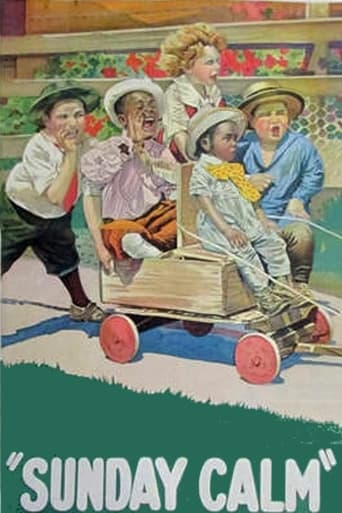
Sunday Calm
1923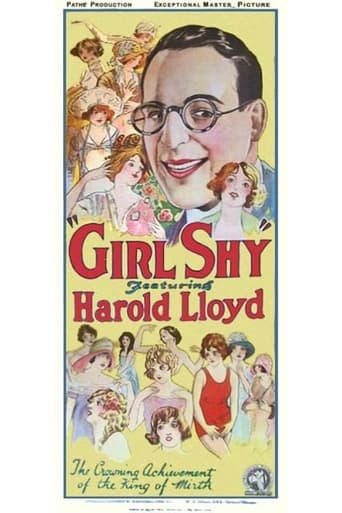
Girl Shy
1924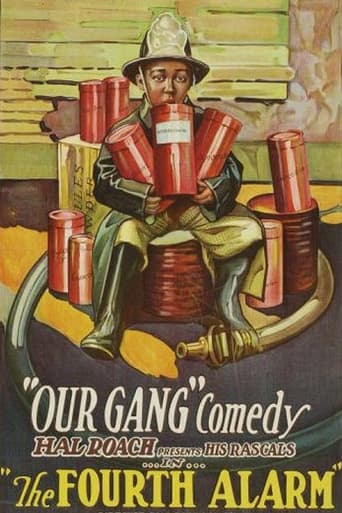
The Fourth Alarm
1926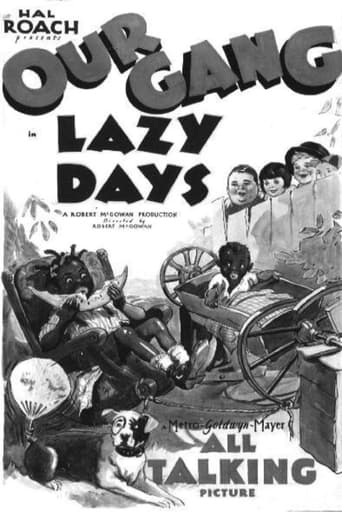
Lazy Days
1929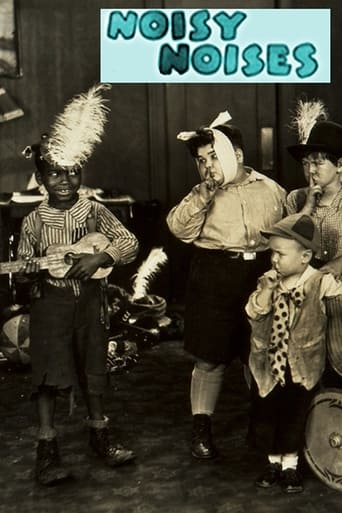
Noisy Noises
1929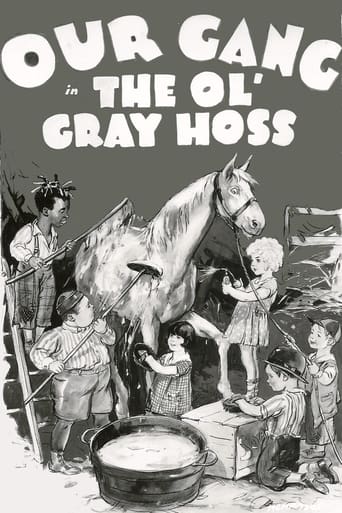
The Ol' Gray Hoss
1928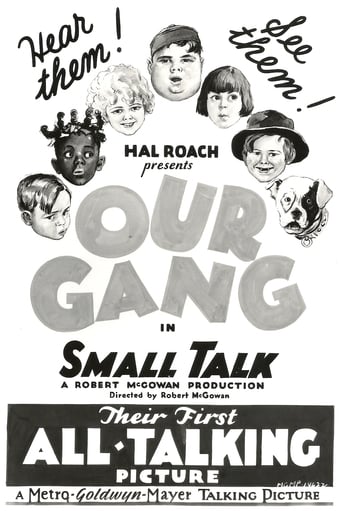
Small Talk
1929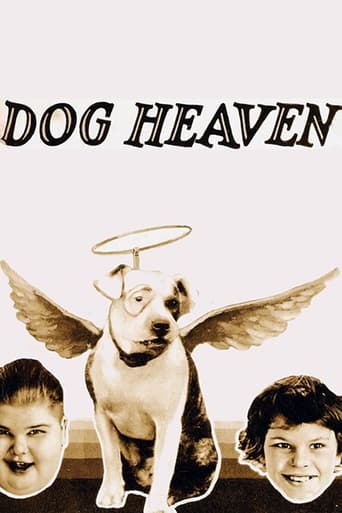
Dog Heaven
1927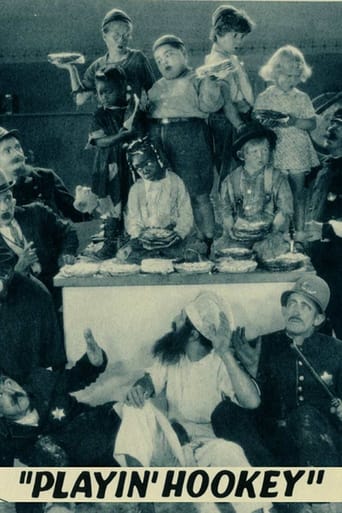
Playin' Hookey
1928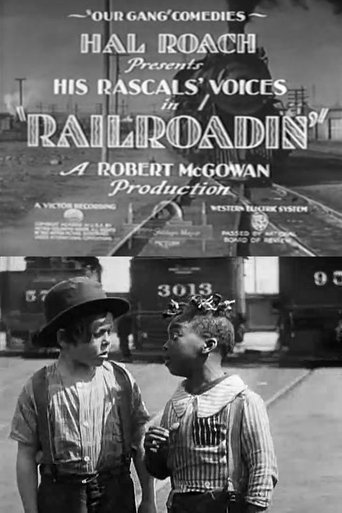
Railroadin'
1929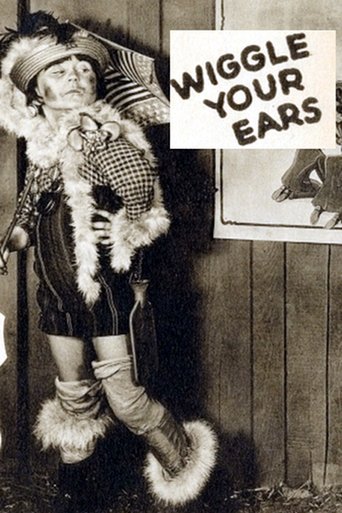
Wiggle Your Ears
1929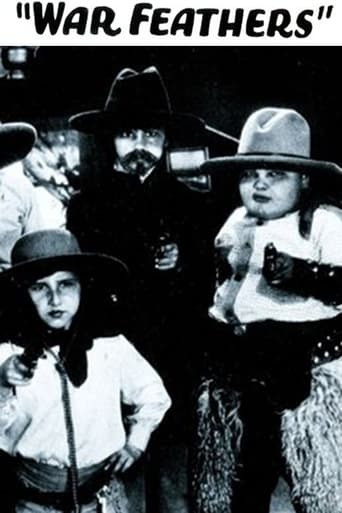
War Feathers
1926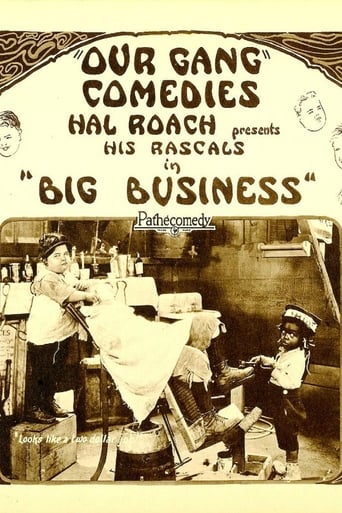
Big Business
1924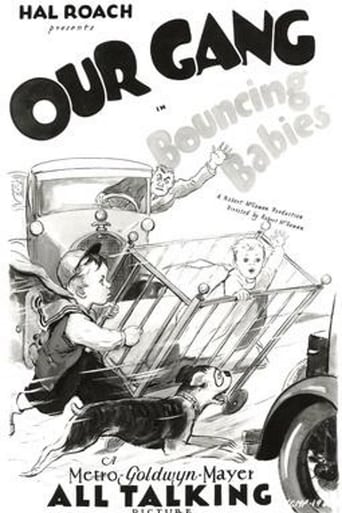
Bouncing Babies
1929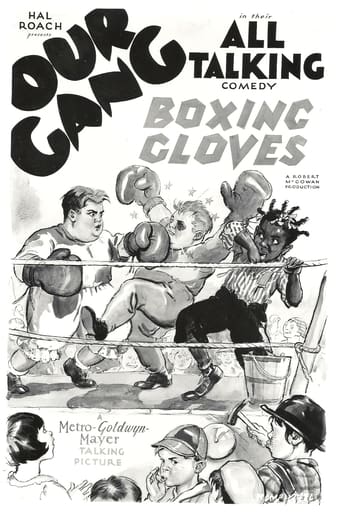
Boxing Gloves
1929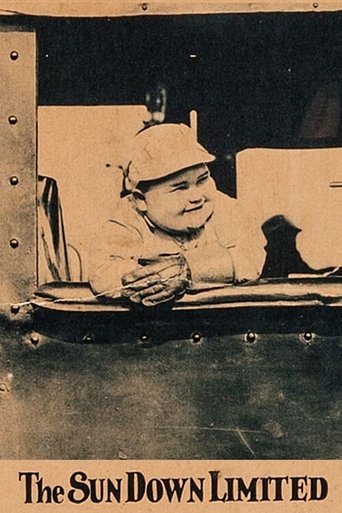
The Sun Down Limited
1924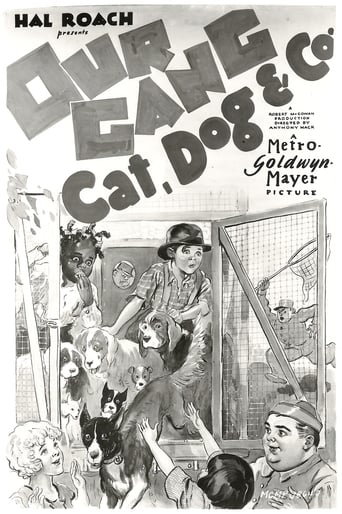
Cat, Dog & Co.
1929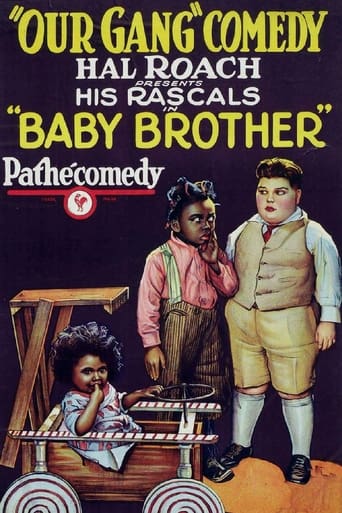
Baby Brother
1927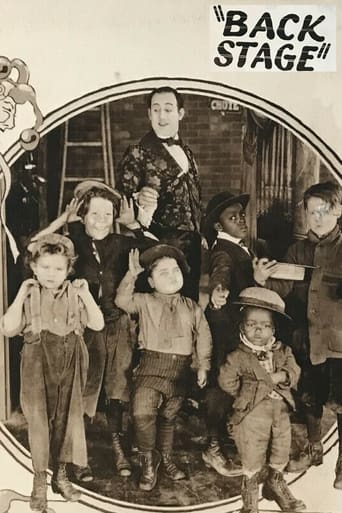
Back Stage
1923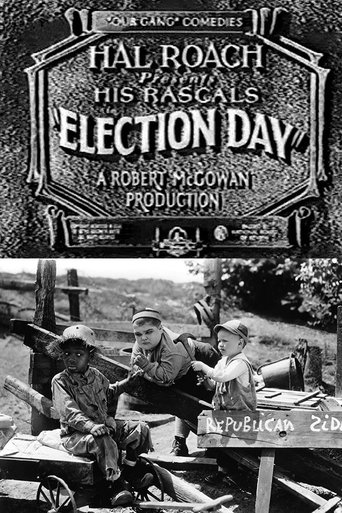
Election Day
1929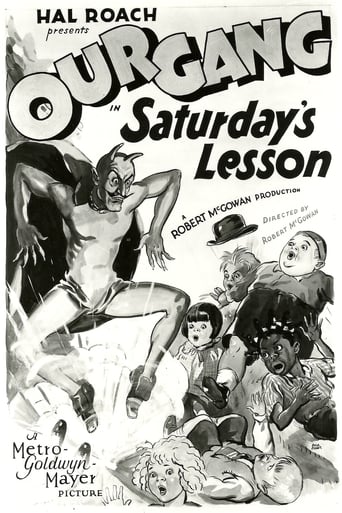
Saturday's Lesson
1929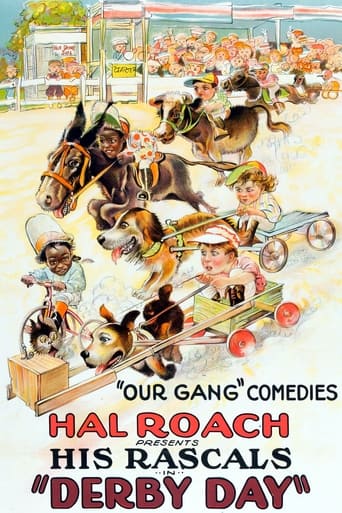
Derby Day
1923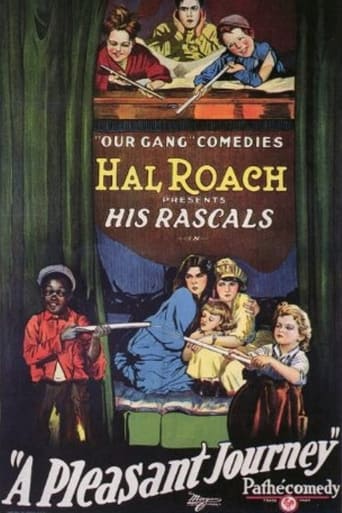
A Pleasant Journey
1923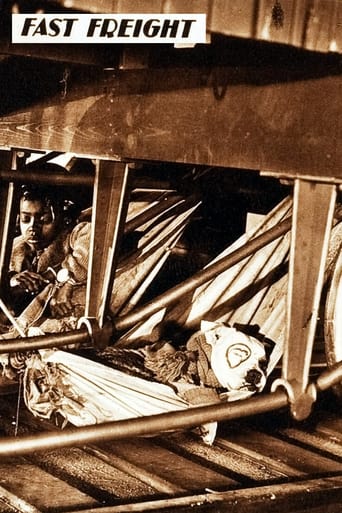
Fast Freight
1929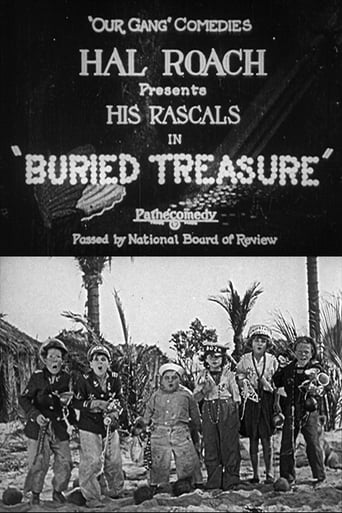
Buried Treasure
1926
Tired Business Men
1927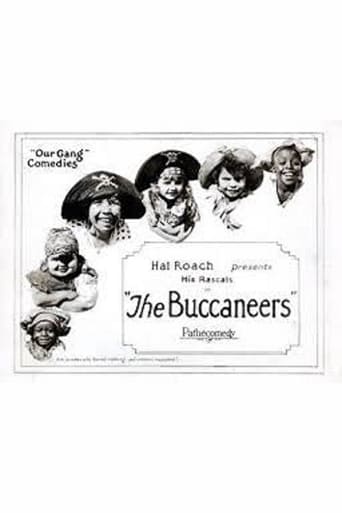
The Buccaneers
1924About Joe Cobb
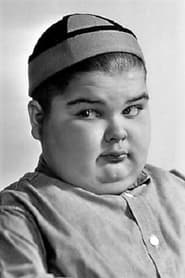
Joseph Frank Cobb, known professionally as Joe Cobb, was recognizable child actors of the silent era through his long-running role in Hal Roach's Our Gang comedy series. Born in Oklahoma in 1914, Cobb joined the Our Gang troupe in 1922 at age eight and quickly became a fan favorite as the lovable, chubby character often involved in the group's comedic misadventures. Over his seven-year tenure with the series, he appeared in 86 short films, establishing himself as one of the core original cast members alongside Mickey Daniels, Mary Kornman, and Jackie Condon. Cobb's character was typically portrayed as good-natured but often found himself in humorous predicaments, frequently serving as the butt of jokes due to his size but always maintaining the audience's affection. His performances exemplified the naturalistic child acting style that made Our Gang revolutionary for its time, with children behaving like real children rather than miniature adults. After leaving the series in 1929 as the transition to sound began, Cobb largely retired from acting, though he would occasionally participate in Our Gang reunions and nostalgia events. He spent his adult life working various jobs including as a taxi driver and in the aerospace industry, maintaining a humble existence far from his childhood stardom until his death in 2002 at age 87.
The Craft
On Screen
Naturalistic and authentic child acting style that avoided the theatrical mannerisms common in child actors of the era. Cobb's performances were characterized by genuine reactions and spontaneous behavior that made his character relatable to audiences. His comedy was primarily physical, often involving his size and weight in humorous situations, but he always maintained a sweet, innocent demeanor that endeared him to viewers. Unlike many child actors who were coached to deliver lines with adult precision, Cobb's dialogue delivery felt natural and unforced, contributing to the documentary-like quality that made Our Gang unique.
Milestones
- Joined Our Gang cast in 1922 as one of the original members
- Appeared in 86 Our Gang comedy shorts over seven years
- Became
- Participated in the transition from silent films to early talkies
- Made memorable appearances in classic Our Gang shorts like 'The Champeen' and 'Thundering Fleas'
Best Known For
Iconic Roles
Must-See Films
Accolades
Special Recognition
- Our Gang/Little Rascals Hall of Fame (posthumous recognition)
- Star on the Hollywood Walk of Fame (shared with Our Gang cast)
Working Relationships
Worked Often With
Studios
Why They Matter
Impact on Culture
Joe Cobb's contribution to American cinema lies primarily in his role as one of the foundational members of Our Gang, a series that revolutionized children's programming and comedy. His portrayal of the chubby, good-natured kid helped establish archetypes that would appear in children's entertainment for decades. The Our Gang series, with Cobb as a central figure, was among the first to present children from diverse backgrounds playing together naturally, breaking racial barriers in mainstream cinema during the segregation era. Cobb's character demonstrated that physical differences could be sources of comedy without mockery, presenting body positivity concepts long before they became cultural touchstones. The series' influence extended to countless later children's shows, from The Little Rascals revivals to modern programs that adopted its documentary-like approach to child performances.
Lasting Legacy
Joe Cobb's legacy endures through the continued popularity of Our Gang/The Little Rascals films, which remain cultural touchstones nearly a century after their creation. As one of the original cast members who helped define the series' tone and style, Cobb contributed to creating a template for children's comedy that emphasized authenticity over artificiality. His work helped establish Hal Roach Studios as a powerhouse of comedy production and demonstrated the commercial viability of films centered entirely on child actors. The Our Gang series, with Cobb as a key figure, has been preserved in the National Film Registry and continues to entertain new generations through television reruns, home video releases, and streaming platforms. Cobb's transition from child star to regular citizen also serves as an early example of how former child actors could successfully navigate post-fame life.
Who They Inspired
Joe Cobb influenced subsequent generations of child actors through his naturalistic performance style that avoided the affected mannerisms common in early cinema. His work in Our Gang demonstrated that child actors could be effective without being precocious or overly coached, paving the way for more authentic child performances in later films and television. The physical comedy style he helped develop influenced later child comedians, particularly in how physical characteristics could be incorporated into humor without becoming mean-spirited. The Our Gang format that Cobb helped perfect influenced countless children's television programs, from The Mickey Mouse Club to modern kids' comedy shows that emphasize ensemble casts and naturalistic performances.
Off Screen
Joe Cobb led a relatively quiet life after his acting career ended. Unlike many child stars who struggled with the transition to adulthood, Cobb adapted well to life outside Hollywood. He married Elizabeth and had two children. He worked various jobs to support his family, including as a taxi driver, a busboy, and later in the aerospace industry. Despite his early fame, Cobb remained humble and rarely discussed his childhood stardom, preferring to live a normal life away from the spotlight. He occasionally participated in Our Gang reunions and nostalgia events, where fans delighted in seeing the grown-up version of their favorite chubby kid from the movies.
Education
Public schools in California after his acting career ended
Family
- Elizabeth Cobb (married 1938 until her death)
Did You Know?
- Joe Cobb was one of the few Our Gang members to appear in both the silent and sound eras of the series
- He earned $5 per day for his work in Our Gang, a substantial salary for a child actor in the 1920s
- Cobb's weight was a recurring element in the comedy, often involving him eating large quantities of food
- He was known off-camera for being particularly well-behaved compared to some of his co-stars
- Cobb's character was often paired with Allen 'Farina' Hoskins in comedy sequences
- He appeared in more Our Gang shorts than any other original cast member except for Mickey Daniels
- After leaving acting, Cobb worked as a taxi driver in Santa Ana, California for many years
- He was the last surviving original male member of the Our Gang cast at the time of his death
- Cobb rarely gave interviews about his time in Our Gang, preferring to maintain his privacy
- His character was often the peacemaker in conflicts between other gang members
In Their Own Words
"We were just kids having fun on camera. We didn't realize we were making history." (from a rare 1970s interview)
"Hal Roach treated us like his own kids. We had a great time making those movies." (reunion appearance)
"I never thought people would still be watching those films 70 years later." (1990s interview)
Frequently Asked Questions
Who was Joe Cobb?
American child with credits in this catalog. He appeared in 86 Our Gang shorts from 1922 to 1929, playing the lovable, chubby character who became a fan favorite among audiences worldwide.
What films is Joe Cobb best known for?
Titles linked here include One Terrible Day (1922), The Champeen (1923).
When was Joe Cobb born and when did he die?
Born November 7, 1914; died May 31, 2002.
What awards did Joe Cobb win?
Joe Cobb did not receive any formal acting awards during his career, as child actors were rarely recognized by award-giving bodies in the 1920s. However, he has been posthumously honored through the Our Gang/Little Rascals Hall of Fame and shares a Hollywood Walk of Fame star with the Our Gang cast for their collective contributions to cinema.
What was Joe Cobb's acting style?
Joe Cobb's acting style was naturalistic and authentic, avoiding the theatrical mannerisms common among child actors of his era. His performances were characterized by genuine reactions and physical comedy, often involving his size in humorous situations while maintaining a sweet, innocent demeanor that endeared him to audiences.