

Boxing Gloves
"Our Gang needs two gentle giants to box"
Keys: Space play/pause · ←/→ 10s · F fullscreen · M mute · </> speed
About this film
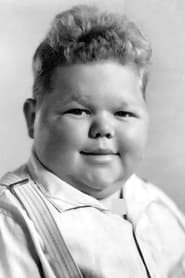
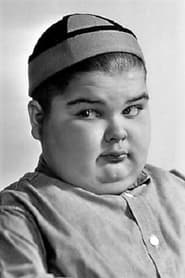
The Rascals have a boxing arena that could pack them in if they could find fighters who would actually mix it up. Harry and Farina notice a rivalry between two very large young kids, Joe and Chubby, that would fill the bill if only the two heavyweights would put aside their gentle natures. Farina gets an idea: tell each of the lads that the other will take a dive in the second round.
Cast & crew
More Comedy films
View all →






More from Robert A. McGowan
View all →

More about this film
About the production
Release dateMarch 9, 1929
ProductionHal Roach Studios
Filmed inCulver City, California, Hal Roach Studios Lot
This was one of the early Our Gang shorts produced during the transition from silent films to sound. The film was originally released as a silent short with synchronized music and sound effects, typical of many Hal Roach productions during this transitional period. The boxing arena set was constructed on the Hal Roach studio backlot, utilizing the studio's extensive outdoor filming facilities. The production faced challenges in capturing the crowd noise and fight sounds with early sound recording equipment.
Themes
Themes & topics
Historical background
Made during the silent-to-sound transition near 1929, Boxing Gloves reached audiences through theatrical programs, fairground booths, or specialized distribution channels typical of its generation. The Rascals have a boxing arena that could pack them in if they could find fighters who would actually mix it up. Harry. Historians now read such works for what they reveal about production methods, national taste, and the expanding vocabulary of screen narrative.
Why this film matters
Archivists and programmers still screen Boxing Gloves when tracing how popular entertainment evolved. Its subject—the rascals have a boxing arena that could pack them in if they could find fighters who would—gives later viewers tangible evidence of what drew crowds in the silent period. Home video, restorations, and festival sidebars keep the title circulating among students of film history.
Making of
The production of 'Boxing Gloves' took place during a crucial transitional period in Hollywood history. Director Robert A. McGowan, who helmed many Our Gang shorts under the pseudonym Anthony Mack, had to adapt his directing style to accommodate the new sound technology. The cast, particularly the younger members, had to learn to work with microphones hidden on set, which limited their natural movement and required more precise blocking. The boxing sequences were carefully choreographed to ensure the safety of the child actors while maintaining comedic effect. The film's production team faced technical challenges with early sound recording equipment, which was bulky and sensitive to ambient noise. The crowd scenes were particularly difficult to record, requiring multiple takes to capture the appropriate level of audience reaction without overwhelming the primitive sound equipment.
What critics said
Original trade coverage treated Boxing Gloves as routine program filler rather than a landmark production—typical of steady studio output. Later criticism emphasizes preservation, stylistic comparison with contemporaries, and whatever cast or crew names later gained prominence. Contemporary writing is mostly historical: assessing completeness, influence, and place in a director's or studio's catalog.
Did you know?
- This was one of the first Our Gang shorts to feature sound, though it was primarily a silent film with synchronized music and effects.
- Norman 'Chubby' Chaney, one of the featured fighters, was especially popular Our Gang members despite his relatively short tenure with the series.
- The film was released just months before the stock market crash of 1929, making it one of the last Our Gang shorts released before the Great Depression.
- Joe Cobb, who plays one of the boxers, was one of the original Our Gang members and appeared in over 80 shorts between 1922 and 1929.
- The boxing theme was a popular one in comedy shorts of the late 1920s, with many studios producing similar films.
- This short represents one of the last times the original silent-era cast would appear together before significant cast changes.
- The film's title 'Boxing Gloves' is somewhat ironic given that the main characters refuse to actually fight.
- Ernie Morrison, who plays Ernie, was the first African-American actor to sign a long-term contract in Hollywood history.
- The makeshift boxing arena set was reused in several other Hal Roach productions due to its versatile design.
- This short was released in both sound and silent versions to accommodate theaters that had not yet converted to sound equipment.
Visual style
The cinematography in Boxing Gloves reflects the technical constraints and opportunities of early sound filmmaking. Cinematographer Art Lloyd had to work with bulky sound recording equipment that limited camera mobility, resulting in more static compositions than in the purely silent Our Gang shorts. The film employs medium shots more frequently than close-ups to accommodate the microphone placement and to capture the physical comedy of the boxing sequences. The lighting design had to be adjusted to prevent shadows from interfering with the sound recording equipment. The boxing arena scenes utilize high angles to emphasize the scale of the makeshift venue and the size of the young fighters. The film's visual style maintains the naturalistic approach that characterized the Our Gang series, with outdoor scenes benefiting from natural lighting and authentic-looking neighborhood settings that enhanced the series' documentary-like quality.
Innovations
Boxing Gloves represents an important technical achievement in the early sound era, demonstrating how comedy could successfully incorporate audio elements without sacrificing visual humor. The film's production team developed innovative techniques for recording sound in outdoor settings, which was particularly challenging with the bulky and sensitive equipment of the time. The synchronization of sound effects with the physical comedy required precise timing and multiple takes to achieve the desired comedic effect. The film's success in capturing crowd noise without overwhelming the primitive recording equipment was notable for its time. The production also pioneered methods for hiding microphones on outdoor sets while maintaining natural performances from the child actors. These technical innovations contributed to the broader development of sound comedy techniques that would influence the entire industry.
Music
The soundtrack for Boxing Gloves was typical of early Hal Roach sound productions, featuring synchronized music and sound effects rather than dialogue. The musical score was compiled from standard Hal Roach production music library pieces, arranged to match the on-screen action. The sound effects were created live during recording, with Foley artists producing the sounds of the boxing arena, crowd reactions, and various comedic moments. The film uses music to enhance the comedic timing, particularly during the boxing sequences where the music swells dramatically during moments of anticipated action. The soundtrack represents an important transitional phase in film audio, bridging the gap between completely silent films and fully synchronized sound productions. The limited use of sound actually enhanced the film's universal appeal, as it could still be understood by international audiences without language barriers.
Famous quotes
We're gonna have the biggest fight this town ever seen!
He's gonna take a dive in the second round, I swear!
You ain't gonna fight? But we paid good money!
Say, you guys are supposed to be fighting, not hugging!
Sweet science indeed!
Memorable scenes
- The opening sequence where the gang constructs their makeshift boxing arena using scrap materials and neighborhood furniture
- The hilarious weigh-in scene where Joe and Chubby stand on opposite sides of a scale, both too heavy for it to register properly
- The moment when Farina whispers his secret plan to each boxer, telling them the other will take a dive
- The anticlimactic first round where the two gentle giants refuse to throw punches, instead politely asking each other if they're ready
- The climactic sequence when Ernie's final trick finally gets the boys to fight, resulting in the most comically gentle boxing match ever filmed
What audiences thought
Boxing Gloves was well-received by audiences in 1929, who were still marveling at the novelty of sound in motion pictures. The film's release during the Our Gang series' peak popularity ensured strong attendance at theaters. Children particularly enjoyed the boxing theme and the familiar faces of the gang members. Adult audiences appreciated the film's nostalgic portrayal of childhood and its gentle humor. The film's success helped demonstrate that the Our Gang formula could successfully transition to sound without losing its appeal. Audience feedback collected by exhibitors indicated that the boxing sequences were particularly popular, with many viewers noting the comedic contrast between the boys' large size and gentle natures. The film continued to be popular in revival screenings and later television broadcasts, introducing new generations to the charm of the early Our Gang shorts.
Film connections
Influenced by
- Our Gang silent shorts
- Charlie Chaplin's The Kid (1921)
- Harold Lloyd's comedy shorts
- Buster Keaton's The General (1926)
- Early boxing films
- Vaudeville comedy routines
This film influenced
- Later Our Gang shorts
- The Little Rascals television series
- Children's sports comedies
- Disney's The Kid (1921)
- The Bowery Boys series
Film restoration
Boxing Gloves survives in its complete form and has been preserved by the Museum of Modern Art and other film archives. Both the sound and silent versions of the film exist in various collections. The film has been restored and is available on home video through various Our Gang compilation releases. The preservation quality is generally good, though some wear is evident in available prints due to the film's age and the nitrate stock on which it was originally produced. The soundtrack elements have also been preserved, though some degradation is present in the audio quality, which is typical for early sound recordings.
Where to watch
- The film is available on various Our Gang DVD compilations from Warner Home Video
- Streaming services that specialize in classic films such as The Criterion Channel occasionally feature Our Gang shorts
- Public domain versions may be found on YouTube and other free streaming platforms
- Film archives and museums occasionally screen the film as part of classic comedy retrospectives
- The film is included in the 'Our Gang: The Complete Collection' DVD box set