
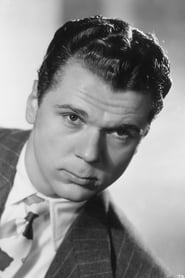
Jackie Cooper
Actor
Born: September 15, 1922 in Los Angeles, California, USA Died: May 3, 2011 Active: 1929-1990 Birth Name: John Cooper Jr.
Films
15 films


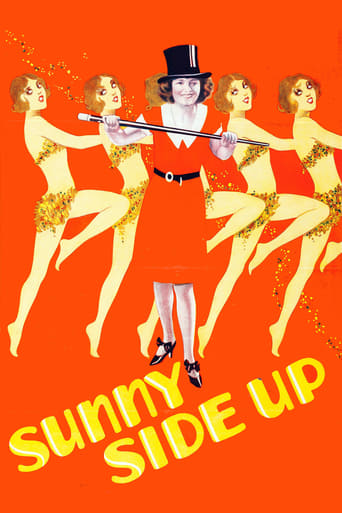
About Jackie Cooper
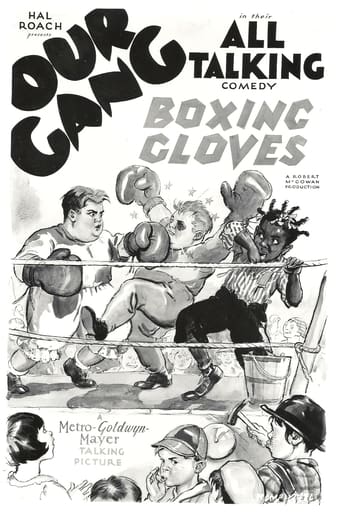
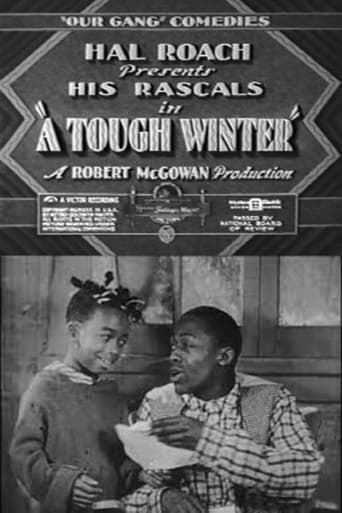
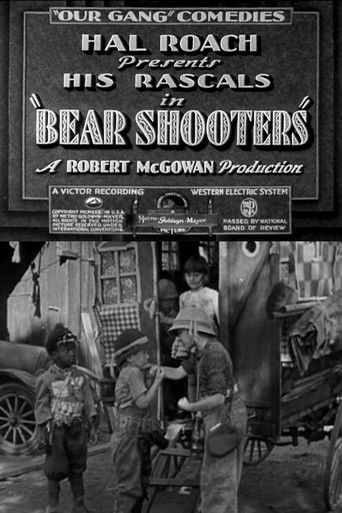
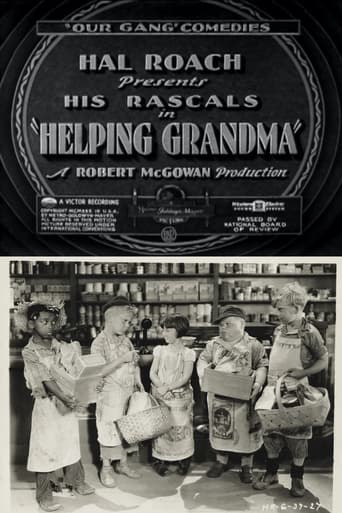
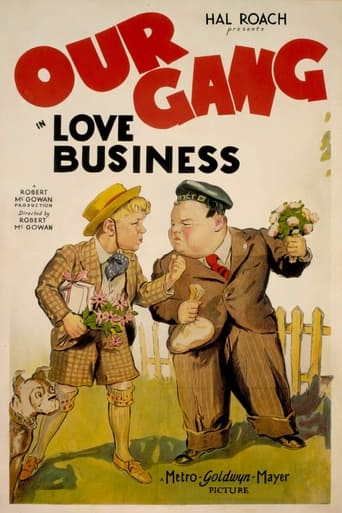
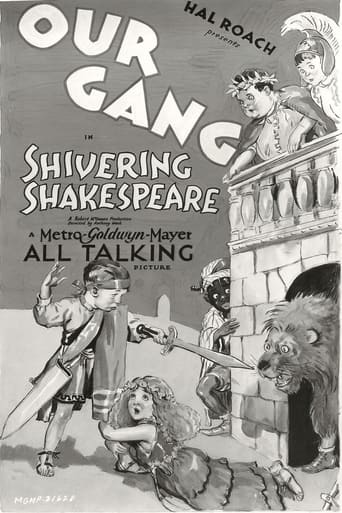
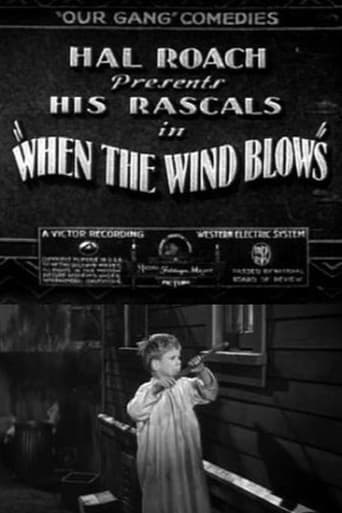
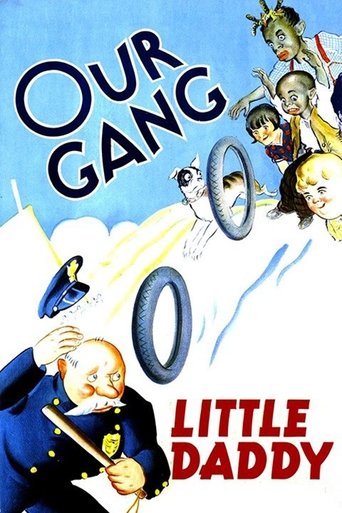
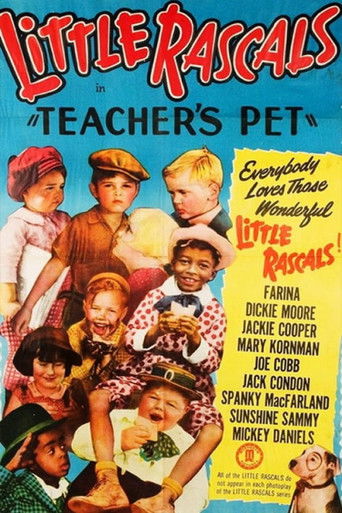
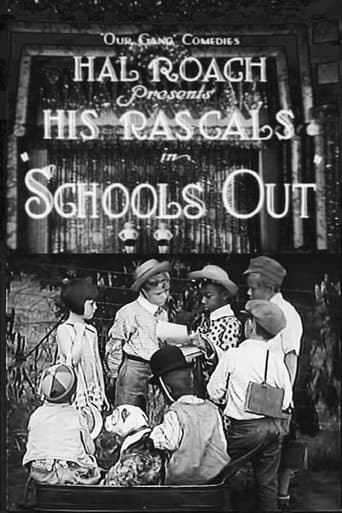
Jackie Cooper, born John Cooper Jr., was successful child actors of the early sound era, beginning his career as a toddler in the Our Gang comedy shorts. His naturalistic emotional performances and remarkable screen presence set him apart from other child actors of his time. After leaving Our Gang in 1929, Cooper was signed to MGM where he became one of the studio's biggest stars, earning an Academy Award nomination for Best Actor at age 9 for 'Skippy' (1931), making him the youngest nominee in that category for decades. His portrayal of a devoted son to Wallace Beery in 'The Champ' (1931) became father-son relationships in cinema history. Throughout the 1930s, he starred in numerous successful films including 'The Bowery' (1933) and 'Peck's Bad Boy' (1934), often playing tough but sensitive streetwise children. After his acting career waned in the 1940s, Cooper served in World War II and later transitioned to television directing, becoming an Emmy-winning director for shows like 'M*A*S*H' and 'The White Shadow'. His over six decades, making him one of the few child stars to successfully reinvent himself multiple times in the entertainment industry.
The Craft
On Screen
Jackie Cooper's acting style was remarkably naturalistic and emotionally authentic for his time, especially notable in his performances as a child actor. Unlike many child stars of the era who tended toward precociousness or theatricality, Cooper brought a raw, genuine quality to his roles, particularly in emotional scenes. His ability to cry on cue and convey complex emotions made him particularly effective in dramatic roles, earning him critical acclaim. Cooper's streetwise persona and tough exterior often masked a vulnerable interior, creating compelling character dynamics in his films. His performances in 'The Champ' and 'Skippy' demonstrated a sophisticated understanding of character motivation that was rare in child actors of his generation.
Milestones
- Youngest Best Actor Oscar nominee at age 9 for 'Skippy' (1931)
- Starred in the classic tearjerker 'The Champ' (1931) with Wallace Beery
- Member of the Our Gang comedy series (1929-1930)
- Successfully transitioned from child actor to adult performer
- Became an Emmy-winning television director in the 1970s-1980s
- Served in the U.S. Navy during World War II
- Directed episodes of TV series including 'M*A*S*H' and 'Superman'
Best Known For
Iconic Roles
Must-See Films
Accolades
Won
- Emmy Award for Outstanding Directing for a Drama Series for 'M*A*S*H' (1979)
- Emmy Award for Outstanding Directing for a Drama Series for 'M*A*S*H' (1980)
- Juvenile Academy Award (1934) - Special Award for his work in 1933
Nominated
- Academy Award nomination for Best Actor for 'Skippy' (1931)
- Multiple Emmy nominations for television directing throughout the 1970s and 1980s
Special Recognition
- Hollywood Walk of Fame star (6816 Hollywood Blvd)
- Youngest Best Actor Oscar nominee for 51 years (until 1979)
- Honored by the Directors Guild of America for his television directing work
Working Relationships
Worked Often With
Studios
Why They Matter
Impact on Culture
Jackie Cooper's impact on cinema was profound, particularly in changing how child actors were perceived and utilized in Hollywood films. His emotionally authentic performances in the early 1930s helped establish a new standard for child acting, moving away from the theatrical, precocious style common in the silent era. His Oscar nomination for 'Skippy' demonstrated that children could carry dramatic films and be taken seriously by the Academy and audiences alike. The relationship between Cooper and Wallace Beery in 'The Champ' created a template for father-son dynamics in cinema that influenced countless films. Cooper's successful transition from child star to adult performer and later to director provided a blueprint for longevity in the entertainment industry that few child stars of his era achieved.
Lasting Legacy
Jackie Cooper's legacy extends far beyond his early success as a child actor. He remains. His record as the youngest Best Actor Oscar nominee stood for over 50 years, testament to the extraordinary quality of his early performances. Cooper's later success as an Emmy-winning television director, particularly on series like 'M*A*S*H' and 'The White Shadow', demonstrated his versatility and deep understanding of storytelling. His career arc from child star to respected director remains.
Who They Inspired
Jackie Cooper influenced generations of child actors by demonstrating that children could deliver nuanced, emotionally complex performances. His naturalistic style paved the way for later child stars like Mickey Rooney, Elizabeth Taylor, and more contemporary performers. As a television director, Cooper influenced the visual style and emotional tone of 1970s and 1980s television drama, particularly in his work on 'M*A*S*H', where his direction helped balance comedy and drama. His ability to elicit strong performances from actors made him a sought-after director in television, and his techniques influenced other directors working in ensemble casts.
Off Screen
Jackie Cooper was married three times and had four children. His first marriage to actress June Horne ended in divorce, as did his second marriage to Barbara Kraus. His third marriage to Barbara Rooney lasted until his death. Cooper served in the U.S. Navy during World War II, seeing combat in the Pacific theater. After his military service, he struggled to regain his acting career but eventually found success in television. In his later years, he lived in Beverly Hills and remained active in the entertainment industry until his death in 2011 at age 88.
Education
Attended local Los Angeles schools while acting as a child, but his education was frequently interrupted by his film career. Later attended military schools during his naval service.
Family
- June Horne (1944-1949)
- Barbara Kraus (1950-1968)
- Barbara Rooney (1974-2011)
Did You Know?
- Was the first child actor to receive an Academy Award nomination for Best Actor
- His mother was a studio pianist who helped him get his start in films
- Was paid $1,000 per week at MGM at age 8, a fortune during the Depression
- Wallace Beery tried to sabotage his scenes in 'The Champ' out of jealousy
- Served as a combat photographer in the U.S. Navy during World War II
- Directed over 30 episodes of 'M*A*S*H', more than any other director
- His great-grandfather was the famous English music hall comedian George Cooper
- Was a licensed pilot and enjoyed flying in his later years
- His performance in 'The Champ' was so convincing that audiences reportedly wept in theaters
- Appeared in over 40 Our Gang shorts before being promoted to feature films
In Their Own Words
I was a commodity. I was a product. I was something that the studio owned and they used me until I was no longer valuable.
Being a child star is terrible. You're not a child, you're not an adult. You're something in between, and you don't know what you are.
The transition from child actor to adult actor is the hardest thing in the world. You're fighting against your own image.
I learned more about directing from watching good directors than from any book or class.
Wallace Beery taught me more about acting in one day than I learned in years of making movies.
Frequently Asked Questions
Who was Jackie Cooper?
Jackie Cooper was. He later transitioned to become an Emmy-winning television director, working on shows like 'M*A*S*H' and 'The White Shadow'.
What films is Jackie Cooper best known for?
Titles linked here include The Champ (1931), Skippy (1931).
When was Jackie Cooper born and when did he die?
Born September 15, 1922; died May 3, 2011.
What awards did Jackie Cooper win?
Cooper won two Emmy Awards for Outstanding Directing for a Drama Series for his work on 'M*A*S*H' in 1979 and 1980. He also received a Juvenile Academy Award in 1934 and was nominated for Best Actor for 'Skippy' in 1931.
What was Jackie Cooper's acting style?
Cooper's acting style was remarkably naturalistic and emotionally authentic for his time, especially as a child actor. Unlike many child stars who were theatrical, Cooper brought genuine emotion and a streetwise authenticity to his roles, particularly excelling in dramatic scenes.
Did Jackie Cooper serve in the military?
Yes, Cooper served in the U.S. Navy during World War II, seeing combat in the Pacific theater and working as a combat photographer. His military service interrupted his acting career but helped him mature and transition to adult roles.
How did Jackie Cooper influence later television?
As a director, Cooper influenced 1970s and 1980s television through his work on 'M*A*S*H', directing more episodes than anyone else. He helped establish the show's unique balance of comedy and drama and later directed other influential series including 'The White Shadow' and 'Superman'.