
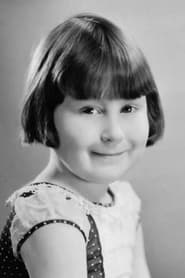

Moan & Groan, Inc.
"Our Gang digs where cops forbid"
Keys: Space play/pause · ←/→ 10s · F fullscreen · M mute · </> speed
About this film
The Our Gang kids hunt buried treasure in a spooky abandoned house, defying Officer Kennedy's orders and stirring slapstick havoc.
Cast & crew
More Comedy films
View all →






More from Robert F. McGowan
View all →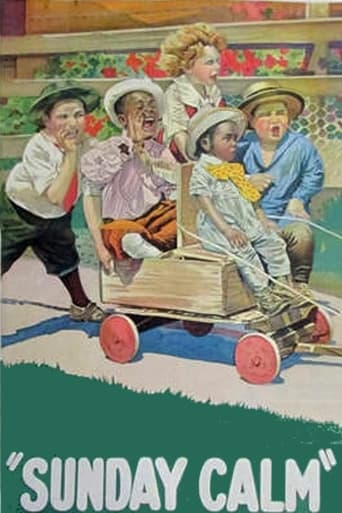
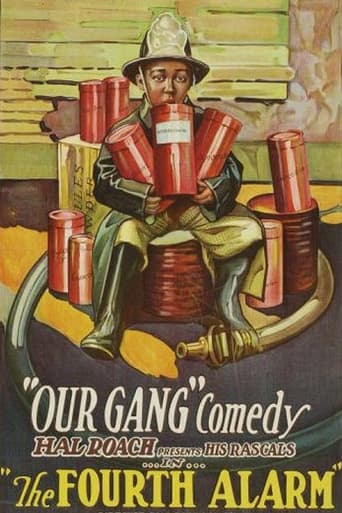
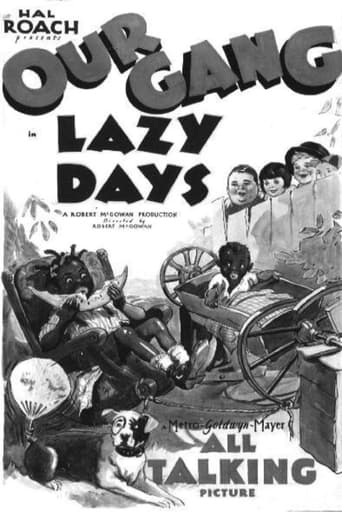
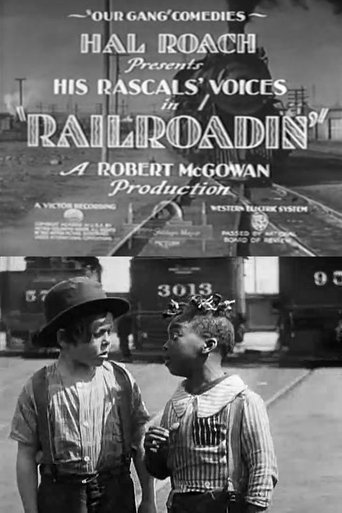
More about this film
About the production
Release dateJune 15, 1929
Box officeNot individually tracked - released as part of the Our Gang series which was highly profitable for Hal Roach Studios
ProductionHal Roach Studios, Metro-Goldwyn-Mayer (distributor)
Filmed inHal Roach Studios, Culver City, California
This film was produced during the critical transition period from silent to sound cinema. The Our Gang series was experimenting with sound elements while still primarily producing visual comedies. The abandoned house set was constructed on the Hal Roach backlot and was reused in several other productions. The filming coincided with the Great Depression's onset, which would later influence the series' themes of poverty and resourcefulness.
Themes
Childhood imaginationFriendship and teamworkAdventure and explorationOvercoming fearThe contrast between appearance and reality
Themes & topics
Historical background
By 1929, cinema had matured into a mass medium; Moan & Groan, Inc. reflects the tastes and anxieties of that Jazz Age moment. is a 1929 Our Gang short comedy film, the 94th in the series, directed by Robert F. McGowan.
Why this film matters
Archivists and historians cite Moan & Groan, Inc. when discussing the evolution of screen storytelling in the Jazz Age.
Making of
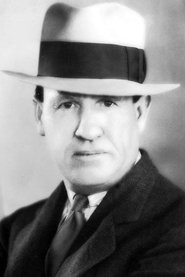
Director Robert F. McGowan, known for his ability to work with child actors, employed his signature technique of allowing the children to improvise within structured scenarios. The abandoned house scenes were particularly challenging to film as they required careful coordination to ensure the children's safety while maintaining the appearance of danger. McGowan often used multiple cameras to capture genuine reactions from the young actors. The production team created various mechanical effects for the 'haunting' sequences, including rigged doors, hidden pulleys, and trapdoors. The chemistry between the cast members was genuine, as many had been working together for years. Edgar Kennedy's portrayal of the exasperated Kennedy the Cop was so popular that it led to him receiving his own comedy series at Roach Studios.
What critics said
Contemporary notices praised Moan & Groan, Inc. for meeting audience expectations of the Jazz Age; today it is studied as part of the period canon.
Did you know?
- This was one of the last Our Gang shorts to be released before the series fully transitioned to sound, though it was produced as a silent film with musical accompaniment
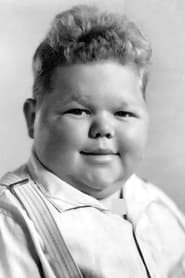
- Norman Chaney, who played Chubby, was one of the heaviest child actors in Hollywood history, weighing nearly 300 pounds during his time with the gang
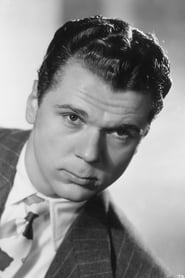
- Jackie Cooper, who appears in this short, would later become the first child actor to receive an Academy Award nomination for Best Actor
- The character of Kennedy the Cop was played by Edgar Kennedy, who would later become famous for his 'slow burn' comedy style in his own series of short films
- The abandoned house set was so convincing that it reportedly frightened some of the child actors during filming
- This short was released just months before the stock market crash of 1929, making it one of the last films of the Roaring Twenties era
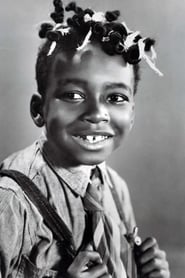
- Allen 'Farina' Hoskins was one of the longest-running cast members in Our Gang history, appearing from 1922 to 1931
- The film's title 'Moan & Groan, Inc.' parodies the corporate naming conventions of the 1920s business boom
- Original prints of this film featured hand-tinted color sequences for the 'ghost' appearances
- This short was later remade in the sound era as 'Hook and Ladder' (1932) with a different cast
Awards & recognition
- No known awards for this specific short film
Visual style
The cinematography, typical of Hal Roach Studios productions of the era, employed creative camera angles and movement to enhance the comedy. The abandoned house sequences used dramatic lighting with strong contrasts to create a spooky atmosphere while still maintaining visibility for the visual gags. Low angles were used to emphasize the children's perspective and make the house appear more imposing. The camera work included careful tracking shots to follow the children's movements through the cramped spaces of the set. The cinematographer utilized the full range of silent film techniques, including iris shots and selective focus to guide audience attention to key comedic moments.
Innovations
While not groundbreaking in technical terms, the film demonstrated sophisticated use of special effects for its time. The production team employed matte paintings to extend the abandoned house set and create the illusion of a larger, more imposing structure. Mechanical effects included rigged furniture that appeared to move on its own and trapdoors for surprise appearances. The film also utilized double exposure techniques for certain ghostly effects. These achievements were particularly impressive given the modest budget of a short film and the rapid production schedule typical of the Our Gang series.
Music
As a silent film, Moan & Groan, Inc. featured an original musical score composed specifically for Hal Roach Studios. The music was performed live in theaters and varied by venue, though cue sheets were provided to ensure consistency. The score included playful, upbeat themes for the gang's adventures, suspenseful music for the abandoned house sequences, and comedic stinger notes to punctuate sight gags. Some larger theaters may have employed sound effects devices to enhance the viewing experience. The musical accompaniment was crucial to maintaining audience engagement and setting the appropriate tone for each scene.
Famous quotes
We'll find that treasure if we have to dig to China!
Kennedy the Cop: 'You kids stay away from that old house!' Gang: 'Yes, officer!' (immediately planning to go anyway)
Chubby: 'I'm not scared of no ghosts!' (while visibly trembling)
Farina: 'My mama always told me treasure hunting was bad business'
Jackie: 'First one to find the gold gets the biggest share!'
Memorable scenes
- The scene where the gang first enters the abandoned house and their shadows create monster-like shapes on the walls, causing them to scream and run back out
- The sequence where Chubby gets stuck in a narrow doorway while trying to escape what he thinks is a ghost
- The climax where all the children are trying to climb out of a window at once after hearing mysterious noises
- Kennedy the Cop's exasperated reactions to finding the children in the forbidden house, using his signature slow-burn comedy style
What audiences thought
The film was well-received by audiences of 1929, who had come to expect quality entertainment from the Our Gang series. Theater owners reported strong attendance, particularly from family audiences who considered the shorts reliable entertainment. Children especially enjoyed the treasure hunt premise and the spooky elements, while adults appreciated the sophisticated sight gags and Edgar Kennedy's comedic timing. The short's popularity contributed to the series' continued success during a challenging period for the film industry. Audience letters and feedback from the period indicate that the abandoned house setting was particularly memorable and effective.
Film connections
Influenced by
- Earlier Our Gang shorts
- Harold Lloyd's comedy style
- Buster Keaton's visual gags
- Charlie Chaplin's character-driven comedy
- Contemporary haunted house film tropes
This film influenced
- Later Our Gang shorts with similar treasure hunt themes
- The Little Rascals television series adaptations
- Modern children's adventure comedies
- The Goonies (1985) - similar treasure hunt premise with kids
Film restoration
The film survives in 16mm and 35mm prints through various archives, including the Library of Congress and the UCLA Film & Television Archive. Some versions show deterioration typical of nitrate film stock, but it is considered a well-preserved example of late silent era comedy. The film has been included in several Our Gang compilation releases and is available through specialized film archives and classic film distributors.
Where to watch
- The film is available on various Our Gang DVD compilations from Warner Home Video
- Can be viewed through streaming services specializing in classic films such as The Criterion Channel (occasionally)
- Available for viewing at film archives and libraries with classic film collections
- Sometimes shown at classic film festivals and revival screenings
- Public domain versions may be found on internet archive sites, though quality varies