
Films
3 films
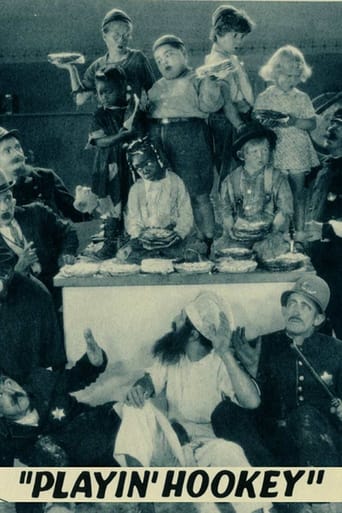
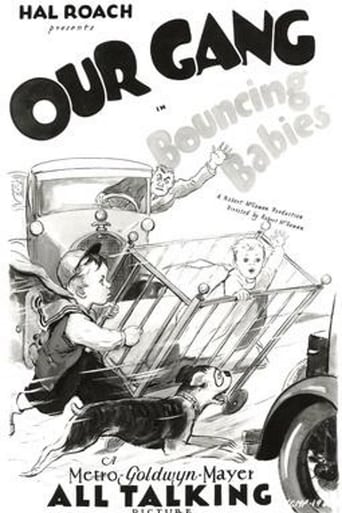
About The Wonder Dog Pal
Pal, known as 'The Wonder Dog,' was a remarkable canine actor who rose to fame during the transition from silent films to talkies in the late 1920s. He gained recognition through his appearances in Hal Roach's beloved Our Gang comedy series, where he showcased extraordinary intelligence and training. Pal's career, though brief, was significant as he appeared in three consecutive Our Gang shorts in 1928-1929, demonstrating the growing trend of using trained animals as integral characters in Hollywood productions. His ability to perform complex tricks, follow detailed directions, and deliver perfectly timed comedic reactions made him a standout performer in the ensemble cast. Pal worked alongside child actors like Jackie Condon, Jean Darling, Allen 'Farina' Hoskins, and Harry Spear during what many consider the golden age of silent comedy shorts. His natural charm and screen presence endeared him to audiences, particularly children who formed the primary viewership for Our Gang films. Though his only about a year, Pal helped establish the template for animal performers in cinema and paved the way for future canine stars in entertainment.
The Craft
On Screen
Pal's acting style was characterized by natural instinct combined with rigorous training, allowing him to perform complex tricks on command while maintaining authentic canine behaviors. He excelled at physical comedy, using his agility and expressive face to enhance the comedic timing of scenes. Pal could follow intricate stage directions and interact seamlessly with child actors, demonstrating remarkable patience and focus during filming. His performances were marked by an ability to deliver perfectly timed reactions to human actors' cues, creating genuine comedic moments. Unlike later animal stars who often relied on editing tricks, Pal's performances were largely captured in single takes, showcasing his exceptional training and the skill of his handlers.
Milestones
- Starred in three Our Gang comedy shorts during the silent-to-talkies transition period
- Performed complex tricks and comedic timing in 'Playin' Hookey' (1928)
- Appeared in 'Moan & Groan, Inc.' (1929) during the series' sound transition
- Featured in 'Bouncing Babies' (1929), one of the late silent Our Gang entries
- Established the precedent for trained animal performers in ensemble comedy casts
Best Known For
Iconic Roles
Must-See Films
Working Relationships
Worked Often With
Studios
Why They Matter
Impact on Culture
Pal's contributions to cinema occurred during a pivotal moment in film history when the industry was transitioning from silent films to talkies. As one of the early canine stars in the Our Gang series, he helped demonstrate the commercial viability of trained animal performers in ensemble casts. His appearances in three consecutive shorts showed audiences and producers alike that animals could be more than mere props—they could be genuine characters who contributed to storytelling and comedy. Pal's success paved the way for the more famous Our Gang dog Petey, who would become an iconic symbol of the series. The Wonder Dog also reflected Hollywood's growing sophistication in animal training techniques during the late 1920s, marking an evolution from simple animal tricks to complex performance art.
Lasting Legacy
Though his career was brief, Pal's legacy endures as an early example of animal performers achieving recognition in American cinema. He represents an important transitional figure in the evolution of animal actors from novelty attractions to integral cast members. Pal's work in the Our Gang series helped establish the template for how dogs could be effectively incorporated into ensemble comedy, influencing decades of family entertainment that followed. His performances, preserved in the surviving Our Gang shorts, continue to entertain audiences and serve as historical documentation of early animal training techniques in Hollywood. Pal also contributed to the enduring popularity of the Our Gang franchise, which remains.
Who They Inspired
Pal directly influenced the casting and utilization of animal performers in subsequent Our Gang productions, most notably in the selection and training of Petey, who would become the series' most famous canine star. His success demonstrated to Hal Roach Studios and other producers that investing in trained animal actors could yield significant returns in audience engagement and box office appeal. The techniques developed for Pal's training and performance likely informed the methods used for later animal stars throughout Hollywood's golden age. Contemporary animal performers in film and television owe a debt to pioneers like Pal, who helped establish the artistic and commercial value of trained animals in entertainment media.
Off Screen
Details about Pal's personal life remain largely undocumented, as was common for animal performers during the silent era. He was owned and trained by professional animal handlers who specialized in preparing dogs for film work. Pal lived during the early days of Hollywood's recognition of animal actors as valuable contributors to film productions. His care and training would have been overseen by Hal Roach Studios' animal department, which was responsible for maintaining the health and performance capabilities of animal actors. Like many animal performers of his era, Pal likely retired from film work after his brief career and lived out his remaining years away from the spotlight.
Education
Trained by professional animal handlers specializing in film work, though specific trainers and methods are not documented in historical records.
Did You Know?
- Pal was one of the first canine actors to receive billing as 'The Wonder Dog' in film credits
- All three of Pal's film appearances were in Our Gang shorts directed by Robert F. McGowan
- His career coincided exactly with the transition from silent films to talkies in Hollywood
- Pal appeared in Our Gang during the series' most critically acclaimed period (1928-1929)
- Unlike later Our Gang dog Petey, Pal did not have a distinctive physical marking like a circle around his eye
- Pal's performances were achieved without the benefit of modern animal training techniques or computer editing
- He worked during an era when animal actors were not protected by the animal welfare laws that exist today
- Pal's brief active years covered only about 12 months but included three major studio productions
- His performances were captured on film during the same period that saw the introduction of synchronized sound in motion pictures
- Pal represents an early example of the 'animal sidekick' trope that would become a staple of family entertainment
Frequently Asked Questions
Who was The Wonder Dog Pal?
Pal — talented canine actor who appeared in three Our Gang comedy shorts in 1928-1929. Known as 'The Wonder Dog' for his remarkable ability to perform complex tricks and follow detailed directions, he was one of the early animal stars in Hal Roach's popular comedy series during the transition from silent films to talkies.
What films is The Wonder Dog Pal best known for?
Titles linked here include Playin' Hookey (1928), Moan & Groan, Inc. (1929).
When was The Wonder Dog Pal born and when did he die?
Specific birth and death dates for Pal are not documented in historical records, which was common for animal performers during the silent era. His active active years covered from 1928 to 1929, suggesting he was likely born in the early 1920s and probably lived into the early 1930s.
What awards did The Wonder Dog Pal win?
Pal did not receive any formal awards or nominations, as recognition for animal performers was virtually nonexistent during the late 1920s. His contributions were recognized through audience appreciation and his continued casting in multiple Our Gang productions rather than through formal industry accolades.
What was The Wonder Dog Pal's acting style?
Pal's acting style combined natural canine instincts with rigorous training, allowing him to perform complex tricks while maintaining authentic behaviors. He excelled at physical comedy and timed reactions, working seamlessly with child actors and following intricate directions from directors, all captured largely in single takes without modern editing techniques.