
Bouncing Babies
"With Wheezer's new baby brother getting all the attention, h"
Keys: Space play/pause · ←/→ 10s · F fullscreen · M mute · </> speed
About this film
With Wheezer's new baby brother getting all the attention, he tries to send the baby back.
Cast & crew
More Family films
View all →


More from Robert F. McGowan
View all →

More about this film
About the production
Release dateMarch 30, 1929
BudgetApproximately $25,000-$30,000 (typical for Hal Roach Our Gang shorts of this era)
Box officeBox office figures not specifically recorded for individual shorts, but Our Gang shorts were highly profitable for Hal Roach Studios
ProductionHal Roach Studios
Filmed inHal Roach Studios, Culver City, California
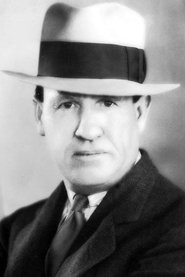
This was one of the early Our Gang shorts produced during the transition from silent films to sound. The picture was shot with both silent and sound versions to accommodate theaters that hadn't yet converted to sound equipment. The baby in the picture was played by twins to comply with child labor laws and ensure adequate filming time. Director Robert F. McGowan was known for his ability to work with child actors and often improvised scenes based on the children's natural reactions.
Themes
Sibling rivalryFamily dynamicsChildhood jealousyAcceptance and adaptationThe innocence of childhood
Themes & topics
baby brotherjealousyOur Gangchildren's comedyfamilyreturning babysibling problemschildhood innocenceneighborhood adventuresmisunderstanding
Historical background
Hal Roach Studios's 1929 release of Bouncing Babies fit contemporary United States programs that mixed fiction, news, and novelty subjects for repeat weekly attendance.
Why this film matters
Programmers and historians revisit Bouncing Babies (1929) because its story—with wheezer's new baby brother getting all the attention, he tries to send the baby back—illustrates popular narrative habits and production norms of the period.
Making of
The production of 'Bouncing Babies' faced unique challenges due to the transition to sound technology. The Hal Roach Studios had to film scenes twice - once for silent theaters and once for sound theaters, with the sound version requiring more static camera positions to accommodate the primitive recording equipment. Working with babies presented additional difficulties, as the infant actors had strict time limits per child labor laws. The crew used multiple babies and carefully scheduled filming around their nap times. Director Robert F. McGowan was known for his patience with child actors, often allowing them to improvise and incorporate their natural behaviors into the scenes. The famous scene where Wheezer tries to mail the baby back was largely improvised by the children, with McGowan capturing their genuine reactions. the picture's production coincided with the Great Depression's beginning, making the wholesome family entertainment of Our Gang shorts particularly valuable to audiences seeking escape.
What critics said
English-language trade reviews of Bouncing Babies are limited for 1929. Where notices survive, they stress pacing and photographic clarity; later criticism values the title as archival evidence of studio style.
Did you know?
- This was Bobby 'Wheezer' Hutchins' first starring role in an Our Gang short, establishing him as one of the series' most popular characters
- the picture was released during the critical transition period when Hollywood was converting from silent to sound films, making it part of cinema history
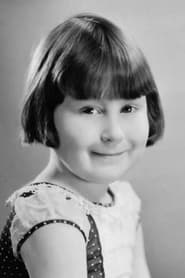
- Mary Ann Jackson, who played Wheezer's sister, was one of the few Our Gang members to have a successful acting career beyond the series
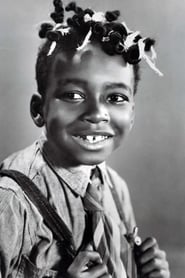
- Allen 'Farina' Hoskins was one of the original cast members and appeared in more Our Gang shorts than any other actor
- The baby character was never given a name in the picture, adding to the comedy of Wheezer's frustration
- This short features one of the earliest examples of the 'jealous older sibling' trope that would become common in family films
- the picture's title 'Bouncing Babies' is a play on words, referring both to the actual baby and the bouncing movements of the children
- Director Robert F. McGowan was the uncle of future film director Robert McGowan (who directed later Our Gang shorts under the name Anthony Mack)
- The production used real babies from the studio's roster of child actors, rotating them to avoid overworking any single infant
- This short was later re-released in 1932 with a new musical score when many theaters had upgraded to full sound systems
Awards & recognition
- No specific awards were given for individual Our Gang shorts during this period
Visual style
The cinematography in 'Bouncing Babies' reflects the transitional nature of 1929 filmmaking, with techniques adapted for both silent and sound versions. The camera work is relatively static compared to later Our Gang shorts, a necessity of early sound recording equipment that limited camera movement. Cinematographer Art Lloyd employed careful lighting to ensure the child actors were always clearly visible, using soft lighting to enhance their innocent appearance. the picture utilizes medium shots and close-ups to capture the children's expressive faces, particularly Wheezer's reactions to his new sibling. The composition often places the children at adult eye level, reinforcing their perspective in the story. The baby's introduction features careful focus pulling to draw attention to the new family member. The outdoor scenes demonstrate the natural lighting techniques that would become a hallmark of the Our Gang series, creating a warm, inviting atmosphere that contrasted with the more formal studio lighting common in other films of the era.
Innovations
While 'Bouncing Babies' was not a groundbreaking technical achievement, it successfully navigated the challenging transition from silent to sound cinema. the picture was produced using both silent and sound versions, requiring dual production processes that were expensive and time-consuming. The sound recording utilized early Western Electric equipment, with microphones strategically hidden throughout the sets to capture the children's natural dialogue. The production team developed innovative techniques for working with child actors in sound recording, including using visual cues and off-camera prompting to maintain natural performances. the picture's editing balanced the new requirements of sound continuity with the rapid pacing established in the silent Our Gang shorts. The successful integration of sound effects, particularly the baby's cries and the children's commotion, demonstrated the growing sophistication of audio post-production. the picture's technical competence helped establish the template for subsequent Our Gang sound shorts, proving that the series could maintain its charm and energy in the new sound era.
Music
The original 1929 release of 'Bouncing Babies' featured a synchronized musical score with sound effects, typical of early sound shorts. The score was composed by Leroy Shield, who created many of the memorable musical themes for the Our Gang series. The music included playful, upbeat themes during the children's adventures and softer, more sentimental melodies during family scenes. Sound effects were limited but effective, including baby cries, door slams, and the general chaos created by the children's schemes. The dialogue was recorded using early sound-on-film technology, resulting in somewhat muffled but clear audio quality for the period. In 1932, when the picture was re-released, it featured an enhanced musical score with additional popular songs of the era. The soundtrack's emphasis on musical accompaniment rather than dialogue reflected the transitional nature of early sound cinema, where music remained a crucial storytelling element inherited from the silent era.
Famous quotes
Wheezer: 'Mommy, can we take him back to the store? I think he's broken!'
Farina: 'My goodness, Wheezer, you can't just mail a baby! What would the postman say?'
Mary Ann: 'You're just jealous because the baby gets all the attention now!'
Wheezer: 'I didn't order no baby! I want my old family back!'
Wheezer: 'Being a big brother is harder than being the only baby!'
Memorable scenes
- The opening scene where Wheezer first meets his new baby brother and immediately tries to trade him for a puppy
- The classic sequence where the gang attempts to mail the baby back using a large cardboard box and numerous stamps
- The chaotic hospital scene where the children try to return the baby to the maternity ward, causing confusion among the staff
- The touching final scene where Wheezer finally accepts his role as big brother and proudly shows the baby to his friends
- The kitchen scene where Wheezer tries to feed the baby his spinach, resulting in a green-faced mess
What audiences thought
Audiences in 1929 embraced 'Bouncing Babies' as another entertaining installment of the beloved Our Gang series. The shorts were popular with both children and adults, making them valuable double-feature programming for theaters. During the early days of the Great Depression, the wholesome comedy provided welcome relief from economic worries. Contemporary audience letters to fan magazines frequently mentioned Wheezer as a favorite character, with his expressive face and comedic timing drawing particular praise. the picture's themes of family and sibling rivalry resonated strongly with viewers, many of whom were experiencing similar dynamics in their own households. Modern audiences continue to discover the picture through classic film festivals and home video releases, with many parents introducing their children to the Our Gang shorts as wholesome entertainment. The timeless nature of the comedy and the authentic portrayal of childhood have helped the picture maintain its appeal across generations.
Film connections
Influenced by
- Charlie Chaplin's 'The Kid' (1921) for its portrayal of childhood innocence
- Harold Lloyd comedies for their blend of humor and heart
- Previous Our Gang silent shorts which established the series' formula
- Contemporary family sitcoms and domestic comedies
This film influenced
- Later Our Gang/Little Rascals shorts dealing with family themes
- The 'Baby Daddy' episode of The Little Rascals television series
- Family sitcoms featuring sibling rivalry themes
- Modern children's films dealing with new baby siblings
Film restoration
the picture is preserved in the Library of Congress collection as part of the Our Gang series. Both the silent and sound versions survive, though the sound version is more commonly shown today. the picture has been digitally restored as part of the Little Rascals DVD collection released by Warner Home Video. The restoration work included cleaning up scratches and improving audio quality while maintaining the original character of the picture. The preservation status is considered good, with multiple copies existing in various archives including the UCLA Film and Television Archive and the Museum of Modern Art's film collection.
Where to watch
- the picture is included in 'The Little Rascals: The Classic Collection' DVD set
- Available for streaming on the Warner Archive streaming service
- Can be found on various classic film streaming platforms
- Occasionally airs on Turner Classic Movies during Our Gang retrospectives
- Available for purchase or rental on Amazon Prime Video and iTunes