Harry Spear
Actor
Born: December 16, 1921 in Los Angeles, California, USA Died: December 22, 2006 Active: 1927-1929 Birth Name: Harold Spearman
Films
11 films
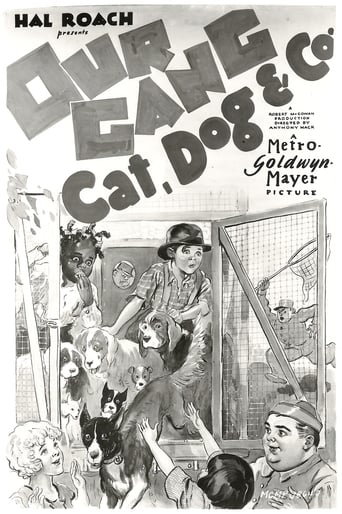
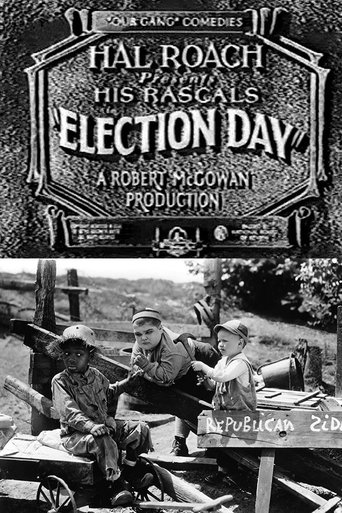
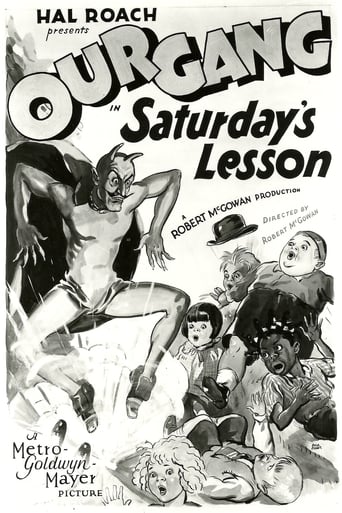
About Harry Spear
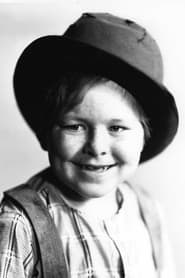
Harry Spear, born Harold Spearman, was a prominent child actor during the late silent era, best known for his memorable stint in Hal Roach's Our Gang comedy series from 1927 to 1929. He joined the cast at the age of six and quickly became recognizable for his distinctive appearance, characterized by his round glasses and serious demeanor that often contrasted with the chaotic antics of his fellow gang members. Spear's character typically portrayed the intellectual or studious member of the group, often serving as the voice of reason or the butt of jokes about his bookish nature. His film career, though brief, spanned the critical transition period from silent films to early talkies, appearing in both formats before his departure from the series. After leaving Our Gang, Spear largely stepped away from acting to focus on his education and later pursued a career outside of entertainment. His contributions to early cinema, particularly during the golden age of comedy shorts, remain cherished by classic film enthusiasts and Our Gang fans worldwide.
The Craft
On Screen
Naturalistic for the era, characterized by his deadpan delivery and serious expressions that provided perfect comic contrast to the chaos around him. His style was notably more subdued than many of his co-stars, often playing the straight man in comedic situations.
Milestones
- Joined Our Gang cast in 1927
- Appeared in transition from silent to sound films
- Featured in 25+ Our Gang shorts
- Became
Best Known For
Iconic Roles
Must-See Films
Accolades
Special Recognition
- Our Gang/Little Rascals Hall of Fame (posthumous recognition)
Working Relationships
Worked Often With
Studios
Why They Matter
Impact on Culture
Harry Spear contributed to. His character represented the 'brainy' archetype that would become a staple in children's programming and comedy ensembles. The series he was part of broke racial barriers for its time by featuring an integrated cast of children playing together as equals, setting a progressive example in 1920s Hollywood. His work helped establish the template for ensemble comedy that would influence everything from The Little Rascals television shows to modern family sitcoms.
Lasting Legacy
Harry Spear's legacy endures through the continued popularity of Our Gang/Little Rascals films, which remain in syndication and are preserved by film archives as important examples of early American comedy. His distinctive character with glasses helped establish the 'nerd' archetype in children's entertainment that would become a recurring trope in popular culture. The films he appeared in are studied by film historians for their naturalistic child performances and their approach to comedy during the transition from silent to sound cinema. His work represents an important chapter in the history of child actors in Hollywood and the evolution of comedy shorts.
Who They Inspired
While his direct influence on other performers was limited due to his young age and brief career, his character type influenced how 'intellectual' children would be portrayed in subsequent family entertainment. The natural acting style he and his Our Gang co-stars employed influenced later approaches to directing child actors, moving away from the more theatrical styles common in earlier silent films. His work as part of an integrated cast helped pave the way for more diverse representation in children's programming.
Off Screen
After his brief acting career, Harry Spear returned to a normal childhood and completed his education. He served in the U.S. Army during World War II and later worked in various civilian occupations. He married and had children, maintaining a relatively private life away from the entertainment industry. Despite his early fame, he rarely discussed his acting days in interviews, preferring to live quietly. He passed away in 2006 at the age of 85, just six days after his 85th birthday.
Education
Completed public education in Los Angeles area after leaving acting
Family
- Married (spouse name not publicly documented)
Did You Know?
- Was one of the few Our Gang members to wear glasses regularly, making him easily recognizable
- His character was often shown reading or studying, establishing the 'brainy kid' archetype
- Appeared in both silent Our Gang shorts and the early sound 'talkie' versions
- Left the series at age 8 to return to regular schooling
- Was one of the taller child actors in the group during his tenure
- His real last name was Spearman, but he was credited as Harry Spear
- Served in the U.S. Army during World War II
- Lived to be 85 years old, making him one of the longer-lived Our Gang alumni
- Rarely gave interviews about his time in Our Gang, preferring privacy
- His character often provided comic relief through his serious reactions to the gang's antics
In Their Own Words
(As character in Our Gang) 'But my mother says I have to finish my homework first!'
(As character) 'You guys are going to get us all in trouble!'
Frequently Asked Questions
Who was Harry Spear?
Child with credits in this catalog. He was recognizable for his glasses and often played the studious, intellectual member of the gang, providing comic contrast to his more mischievous co-stars.
What films is Harry Spear best known for?
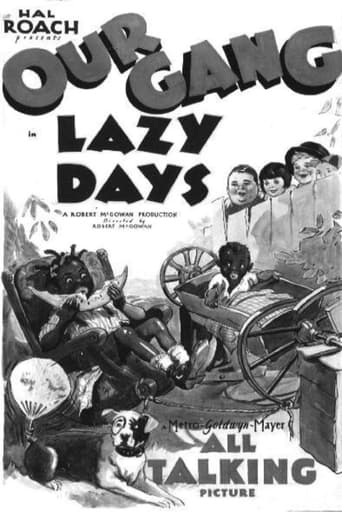
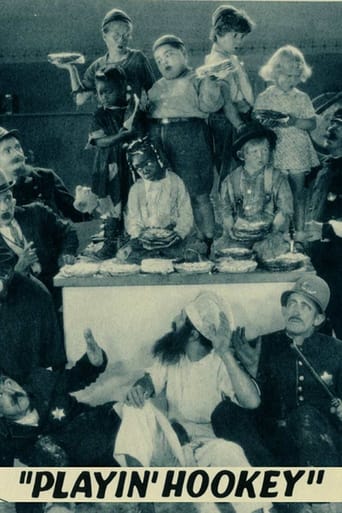
Titles linked here include Playin' Hookey (1928), Lazy Days (1929).
When was Harry Spear born and when did he die?
Born December 16, 1921; died December 22, 2006.
What awards did Harry Spear win?
Harry Spear did not receive formal awards during his acting career, which was brief and occurred during childhood. He has received posthumous recognition through Our Gang/Little Rascals halls of fame and is remembered as an important contributor to classic American comedy.
What was Harry Spear's acting style?
Harry Spear's acting style was notably naturalistic for the silent era, characterized by deadpan delivery and serious expressions that provided perfect comic contrast. He often played the straight man in chaotic situations, using his distinctive appearance with glasses to create a memorable intellectual character type.
Why did Harry Spear leave acting?
Harry Spear left acting at around age 8 to return to normal schooling and childhood. His parents prioritized his education over his entertainment career, a common decision for child actors of that era. He subsequently served in World War II and pursued a civilian career outside of entertainment.