
Playin' Hookey
"1928 film by Robert A. McGowan"
Keys: Space play/pause · ←/→ 10s · F fullscreen · M mute · </> speed
About this film
His mother is upset, and his father takes his rifle to shoot the dog. Meanwhile, Joe Cobb has taught Pansy to play dead, and after the deed is done, he hides the dog at Farina's house. Wheezer gets excited watching his dog Pansy attack and rip apart the chickens and furniture in the back yard.
Cast & crew
More films like this
More Comedy films
View all →







More from Robert A. McGowan
View all →
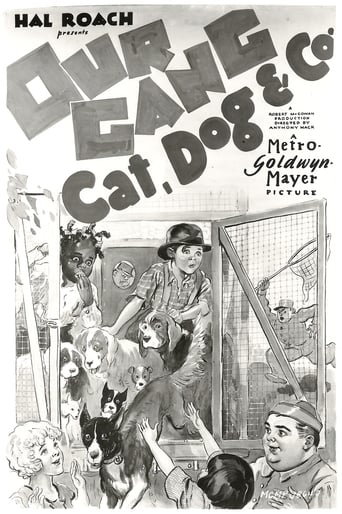
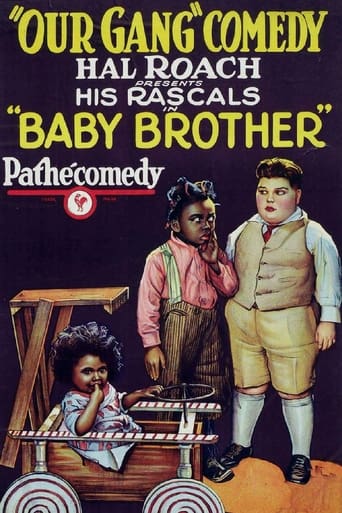
More about this film
About the production
Release dateMarch 3, 1928
BudgetTypical Our Gang shorts had budgets around $25,000-$40,000 in the late 1920s
Box officeBox office figures for individual shorts were not tracked separately in the silent era
ProductionHal Roach Studios
Filmed inHal Roach Studios, Culver City, California
This was one of the later silent Our Gang shorts, released just as the transition to sound was beginning. The film featured the classic Our Gang cast of the late 1920s period. Dog training for Pansy's scenes would have been done by the studio's animal trainers, a common practice for Hal Roach productions.
Themes
Themes & topics
Historical background
Playin' Hookey (1928) circulated in the silent era. Wheezer gets excited watching his dog Pansy attack and rip apart the chickens and furniture in the back yard Contemporary trade papers and later preservation notes document its place among nickelodeon and cinema-club programs.
Why this film matters
Playin' Hookey remains accessible to researchers and viewers as a comedy short in museum, archive, and streaming collections. Programmers cite it when tracing regional production history and surviving early prints.
Making of
The production of Our Gang shorts like 'Playin' Hookey' was typically efficient and well-organized, with Hal Roach Studios having perfected the formula by 1928. The child actors worked under strict studio regulations, with tutors on set to ensure they received education. The dog Pansy would have been trained specifically for the film by professional animal handlers employed by the studio. Director Robert A. McGowan, who often directed the Our Gang shorts, was skilled at working with child actors and animals, capturing natural performances that made the series beloved. The destruction scenes required careful planning and multiple takes to achieve the right balance of chaos and comedy. The fake shooting sequence would have used camera tricks and editing to create the illusion without actually harming the dog.
What critics said
Day-one reviews for Playin' Hookey are sparse in digitized press archives; later criticism treats it as a reference point for 1928 cinema programming and preservation.
Did you know?
- This was one of the last silent Our Gang shorts before the series transitioned to sound
- The dog Pansy was one of several animal actors that appeared in Our Gang films over the years
- Director Robert A. McGowan was the nephew of series producer Robert F. McGowan
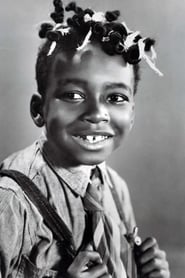
- Allen 'Farina' Hoskins was especially popular and long-running cast members of the Our Gang series
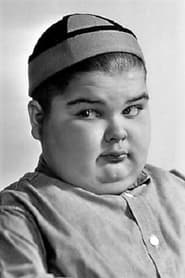
- Joe Cobb was known for his chubby appearance and was a central figure in many Our Gang comedies
- Jackie Condon was one of the original members of the Our Gang cast, appearing in numerous shorts throughout the silent era
- The film was released during the transition period when many studios were converting to sound production
- Our Gang shorts were known for their naturalistic portrayal of children, which was revolutionary for the time
- Hal Roach Studios was sometimes called 'The Lot of Fun' due to its focus on comedy productions
- The destruction of furniture scenes would have been carefully choreographed to maximize comedic effect while ensuring safety
Visual style
As a silent comedy short, 'Playin' Hookey' utilized the visual storytelling techniques common to the era. The cinematography would have emphasized clear compositions and physical action to convey the story without dialogue. The camera work would have been relatively static by modern standards but included movement when necessary to follow the chaotic action. Lighting would have been naturalistic for outdoor scenes and carefully controlled for interior sequences. The destruction scenes would have been shot to maximize visual impact while maintaining continuity. The film was shot in black and white on 35mm film, which was standard for studio productions of the time.
Innovations
While 'Playin' Hookey' did not feature groundbreaking technical innovations, it represented the refinement of comedy short production techniques that Hal Roach Studios had developed throughout the 1920s. The efficient production methods allowed for high-quality shorts to be produced on tight schedules and budgets. The animal training and coordination for scenes with Pansy demonstrated the studio's expertise in working with animal performers. The editing rhythm and pacing of the film reflected the sophisticated understanding of comic timing that had been developed in silent comedy. The seamless integration of child actors with animal performers required careful blocking and multiple takes to achieve the desired naturalistic effect.
Music
As a silent film, 'Playin' Hookey' did not have a synchronized soundtrack. During theatrical release, it would have been accompanied by live musical performance, typically a piano or organ in smaller theaters or a small orchestra in larger venues. The musical score would have been compiled from standard photoplay music libraries, with selections chosen to match the mood of each scene. Comedic moments would have been accompanied by lively, upbeat music, while tense scenes like the fake shooting would have used more dramatic selections. Some theaters might have used cue sheets provided by the studio to guide musicians in appropriate selections.
Memorable scenes
- The sequence where Pansy destroys the backyard furniture and attacks the chickens, creating chaos that drives the plot
- The tense moment when Wheezer's father prepares to shoot the dog, with the children desperately trying to intervene
- Joe Cobb teaching Pansy to play dead at the crucial moment, saving the dog's life through quick thinking
- The hiding of Pansy at Farina's house and the children's attempts to keep the dog concealed
What audiences thought
Our Gang shorts were immensely popular with audiences throughout the 1920s and beyond. The series developed a loyal following among both children and adults who appreciated the authentic humor and charming performances. Movie theaters regularly programmed Our Gang shorts because they were reliable crowd-pleasers that appealed to family audiences. The characters became cultural icons, with children across America imitating their favorite gang members. The enduring popularity of the series led to decades of syndication and the creation of 'The Little Rascals' television package in the 1950s, introducing these films to new generations.
Film connections
Influenced by
- Charlie Chaplin's work with child actors
- Harold Lloyd's comedy style
- Hal Roach's previous comedy productions
- Contemporary family life situations
This film influenced
- Later Our Gang/The Little Rascals shorts
- The Bowery Boys series
- The Abbott and Costello films featuring children
- Modern family comedy films
Film restoration
Many Our Gang shorts from the silent era have survived, though some exist only in incomplete or deteriorated copies. 'Playin' Hookey' is believed to survive in film archives and private collections. The film likely exists in 16mm reduction prints that were distributed for non-theatrical use in the mid-20th century. Some silent Our Gang shorts have been restored by film preservation organizations, though the quality varies depending on the source material. The Hal Roach Studios library has changed ownership multiple times, affecting the preservation and availability of these films.
Where to watch
- The film may be available through specialized classic film streaming services
- Some Our Gang shorts are included in home video collections
- Film archives and museums may hold screenings of preserved copies
- Public domain versions might be available on internet archive sites
- Classic film channels occasionally include Our Gang shorts in their programming