

Railroadin'
"Tracks, warnings, runaway cars"
Keys: Space play/pause · ←/→ 10s · F fullscreen · M mute · </> speed
About this film
The gang is playing around the railroad station, and Joe and Chubby's father, an engineer, lectures against the kids playing in such a dangerous area. True to his word, after Joe and Chubby's father leaves, a crazy man starts a train with most of the kids on it, save for Farina w.
Cast & crew
More Comedy films
View all →






More from Robert F. McGowan
View all →

More about this film
About the production
Release dateJune 15, 1929
ProductionHal Roach Studios
Filmed inHal Roach Studios, Culver City, California
Railroadin' was one of the early Our Gang shorts produced during the transition from silent films to sound. The film utilized the new sound-on-film technology, which allowed for more dynamic audio effects including train whistles, wheels on tracks, and the children's dialogue. The production faced challenges in capturing authentic train sounds while maintaining the comedic timing the series was known for. The grocery truck crash scene required careful stunt coordination to ensure the children's safety.
Themes
Childhood innocenceThe danger of forbidden placesDreams vs. realityIndustrial safetyThe transition from silent to sound cinema
Themes & topics
runaway traindream sequencerailroad stationchildren's adventuresafety warningOur Gangcomedy shortsound filmHal Roachchild actors
Historical background
Railroadin' reached screens around 1929, produced in its country of origin. Silent-era houses paired such titles with live music and newsreel bills.
Why this film matters
Researchers cite Railroadin' when tracing screen culture of its decade.
Making of
The production of Railroadin' took place during a pivotal moment in cinema history as studios were adapting to sound technology. The Hal Roach Studios, where Our Gang was produced, invested heavily in new sound equipment to compete with major studios. The child actors had to learn to deliver their lines more precisely as the new technology picked up every sound. Director Robert F. McGowan, known for his patient approach with children, had to adjust his directing style to accommodate the technical requirements of sound filming. The train sequences required careful coordination with railroad companies and safety experts. The production team built special sets to simulate the train interior and used rear projection techniques for scenes showing the children inside the moving train. The grocery truck crash was one of the more elaborate stunt sequences in an Our Gang short up to that point, requiring multiple takes and careful timing to achieve the comedic effect while ensuring safety.
What critics said
Reviewers in 1929 weighed Railroadin' on clarity, pacing, and audience response rather than prestige status. No single canonical review dominates later reference works for the title.
Did you know?
- This was one of the first Our Gang shorts to be released with a synchronized soundtrack, marking the series' transition into the sound era.
- The film features the classic Our Gang lineup during what many consider the golden age of the series.
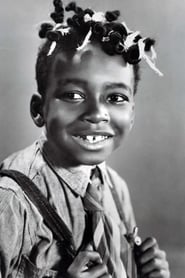
- Allen 'Farina' Hoskins, who plays the dreamer in this film, was one of the longest-running cast members in Our Gang history, appearing in over 100 shorts.
- The runaway train sequence was filmed using a combination of real locomotive footage and studio sets to create the illusion of danger while keeping the child actors safe.
- The dream sequence ending was a popular trope in early comedy films, allowing for outrageous situations that could be safely resolved.
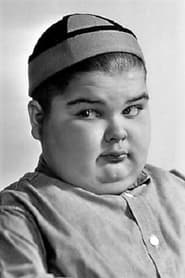
- Joe Cobb, who plays one of the main characters, was known for his large size and was often the butt of jokes about his weight in the series.
- Bobby 'Wheezer' Hutchins got his nickname from his character's tendency to wheeze and cry in earlier films.
- The film was released just months before the stock market crash of 1929, making it one of the last comedy shorts of the roaring twenties era.
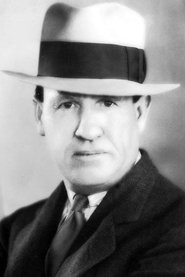
- Director Robert F. McGowan was the primary director of the Our Gang series for many years and was known for his ability to work with child actors.
- The grocery truck crash was achieved using miniature models for the impact sequence, a common technique in early film production.
Visual style
The cinematography in Railroadin' reflects the technical transition period of 1929, combining the visual storytelling techniques of silent cinema with the new requirements of sound filming. The camera work is more static than earlier silent shorts due to the limitations of early sound recording equipment, which required cameras to be housed in soundproof booths. The train sequences make effective use of tracking shots and multiple camera angles to create a sense of movement and danger. The film employs close-ups more frequently than earlier Our Gang shorts, taking advantage of the ability to capture the children's facial expressions and dialogue simultaneously. The dream sequence uses slightly distorted camera angles and lighting to subtly indicate the shift in reality, a technique that would become more sophisticated in later dream sequences in cinema.
Innovations
Railroadin' represents several technical achievements for its time, particularly in its successful integration of sound technology into the Our Gang format. The film demonstrated that the naturalistic performances of child actors could be enhanced rather than hindered by sound recording. The production team developed innovative solutions for capturing mobile sound during the train sequences, using a combination of on-set microphones and post-production sound effects. The grocery truck crash sequence utilized early special effects techniques including miniature models and careful editing to create a convincing collision. The film also showcased the possibilities of sound comedy timing, with the audio and visual gags working in perfect synchronization. The dream sequence transition was achieved through subtle technical means including lighting changes and audio cues, demonstrating sophisticated understanding of the new medium.
Music
The soundtrack of Railroadin' was groundbreaking for the Our Gang series, representing one of their first fully synchronized sound productions. The film features a musical score typical of late 1920s comedies, with upbeat piano and organ music accompanying the action scenes. The sound effects were particularly noteworthy for their time, including authentic train whistles, the clatter of wheels on tracks, and the crash sequence with the grocery truck. The children's dialogue, while simple, was clearly recorded and added a new dimension to their performances. The sound design during the runaway train sequence creates genuine tension through the escalating speed of the engine sounds and the children's panicked reactions. The film's audio quality was considered impressive for 1929, demonstrating Hal Roach Studios' commitment to technical excellence in the sound era.
Famous quotes
Don't you kids know it's dangerous to play around the railroad tracks?
We're on a runaway train!
It was all a dream!
Memorable scenes
- The opening sequence where the children play around the railroad station while being warned about the dangers
- Farina's frantic attempts to catch up with and board the moving train
- The children's comical efforts to stop the runaway locomotive using various methods
- The dramatic crash into the grocery truck
- The reveal that the entire adventure was Farina's dream during the safety lecture
What audiences thought
Audiences in 1929 embraced Railroadin' and the new sound Our Gang shorts with enthusiasm, as the familiar characters they loved from silent films were now able to speak and make noise in ways that enhanced the comedy. Children especially delighted in the train sounds and the chaotic energy of the runaway sequence. The film proved popular enough that it remained in circulation for years through theatrical re-releases and later television broadcasts. Modern audiences discovering the film through home video and streaming appreciate its historical value as an early sound comedy and its timeless depiction of childhood mischief. The simplicity of the plot and the universal appeal of the child actors continue to resonate with viewers nearly a century after its release.
Film connections
Influenced by
- Earlier silent Our Gang shorts
- The general tradition of comedy films using dream sequences
- Railroad-themed films of the silent era
- The transition to sound films pioneered by 'The Jazz Singer'
This film influenced
- Later Our Gang/Little Rascals shorts featuring transportation themes
- Comedy films using dream sequences as plot devices
- Children's adventure films with dangerous scenarios resolved safely
Film restoration
Railroadin' has been preserved through the efforts of film archives and restoration projects. The original nitrate film elements have been transferred to safety film and digital formats. The film is part of the Our Gang/Little Rascals library that has undergone restoration work by various preservation organizations. While some early sound films have been lost due to deterioration of the original elements, Railroadin' survives in watchable condition, though some wear and age-related degradation may be visible in certain prints. The film is included in home video releases of the Our Gang series and is available through classic film streaming services.
Where to watch
- The film is available on various Our Gang/Little Rascals DVD collections
- Streaming services specializing in classic films and public domain content
- Film archive websites and educational platforms
- Some television networks that broadcast classic films occasionally include it in programming blocks