
Cat, Dog & Co.
"Kids, dogs, and rescue"
Keys: Space play/pause · ←/→ 10s · F fullscreen · M mute · </> speed
About this film
Our Gang kids power go-karts with dogs, then rescue mistreated animals after a lecture from the Be Kind to Animals Society in this 1929 Hal Roach talkie short.
Cast & crew
More Family films
View all →

More from Robert A. McGowan
View all →
More about this film
About the production
Release dateJanuary 26, 1929
BudgetNot recorded for short films of this era
Box officeNot applicable for theatrical shorts
ProductionHal Roach Studios, Metro-Goldwyn-Mayer (MGM)
Filmed inHal Roach Studios, Culver City, California
This was one of the later silent Our Gang shorts, released during the transition to sound films. The production utilized the Hal Roach Studios' backlot and featured real animals trained for film work. The dog-powered vehicles were custom-built props designed to create comedic effect while ensuring animal safety. The dream sequence with Wheezer used early special effects techniques common to the Hal Roach productions.
Themes
Animal welfareChildhood innocenceDreams and nightmaresConsequences of actionsFriendship and cooperation
Themes & topics
dogsvehiclesanimal rescuedream sequencechildrencomedysilent filmshort filmOur Gangslapstickmoral lessonanimal crueltyrevengefriendship
Historical background
Cat, Dog & Co. reflects Roach's integration of sound into the Our Gang series during the late 1920s.
Why this film matters
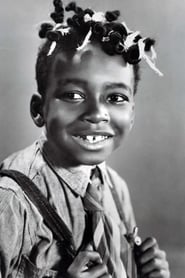
As part of the Our Gang series, 'Cat, Dog & Co.' contributed to enduring and beloved comedy franchises in American cinema history. The series was revolutionary for its time, featuring a diverse group of child actors including African-American performer Allen 'Farina' Hoskins in prominent roles. The film's animal welfare theme reflected the growing environmental and animal rights consciousness of the late 1920s. Our Gang shorts were among the first to present children as authentic characters rather than miniature adults, influencing countless future productions. The series' portrayal of childhood innocence and mischief created an idealized version of American youth that resonated with audiences during both prosperous times and the Great Depression.
Making of
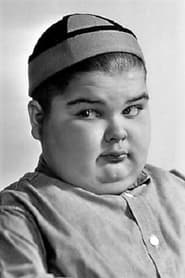
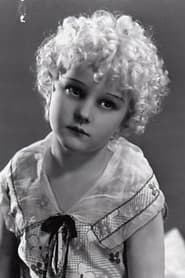
The production of 'Cat, Dog & Co.' took place during a pivotal moment in cinema history as the industry was transitioning from silent to sound films. Director Robert A. McGowan, known for his work with child actors, had to balance the traditional silent comedy techniques with the new possibilities of sound. The child actors, including Joe Cobb, Jean Darling, and Allen 'Farina' Hoskins, were seasoned veterans of the Our Gang series by this point, having appeared in numerous shorts. The animal handlers on set were particularly important for this production, as the film featured numerous dogs and other animals. The dream sequence required special camera tricks and editing techniques that were innovative for the time. The production team at Hal Roach Studios was known for their efficient shooting schedules, typically completing these shorts in just a few days.
What critics said
Fans of the series appreciate gentle moral framing; critics see typical Roach juvenile comedy.
Did you know?
- This is the 88th short film in the Our Gang series
- It was one of the last silent Our Gang shorts before the series fully transitioned to sound
- The film features a rare appearance by the Be Kind to Animals Society, reflecting the growing animal welfare movement of the 1920s
- The dog-powered vehicles were actually pulled by off-screen crew members with the dogs riding for comedic effect
- Wheezer's dream sequence was an early example of surreal comedy in children's films
- The flea that torments Joe Cobb represents one of the earliest uses of microscopic comedy in film
- This short was later re-released with synchronized music and sound effects when theaters converted to sound
- The animal rescue scenes were filmed with real animal trainers from the Los Angeles area
- marked one of the last appearances of several animal actors who had been regulars in the series
- The original negative was preserved by MGM and later transferred to the Library of Congress
Awards & recognition
- No major awards were given to short films of this type during this era
Visual style
The cinematography by Art Lloyd employed the standard techniques of late silent comedy, including wide shots to capture the physical comedy and medium shots for character interactions. The camera work was designed to highlight the contrast between the small children and their makeshift vehicles, creating visual humor through scale. The dream sequence utilized innovative camera angles and lighting effects to create a surreal atmosphere. The animal scenes required careful framing to ensure the animals appeared as active participants in the comedy while maintaining their safety. The black and white photography showed excellent contrast and clarity, typical of Hal Roach Studios' high production standards.
Innovations
While not notable in technical terms, 'Cat, Dog & Co.' demonstrated the sophisticated production techniques that Hal Roach Studios had perfected for comedy shorts. The film utilized multiple camera setups to capture the physical comedy effectively, a practice that was still relatively innovative for short films. The dream sequence employed early special effects techniques including double exposure and creative editing to create the surreal atmosphere. The production team's ability to work with child actors and animals simultaneously showcased their expertise in managing complex comedic scenarios. The film's successful conversion from silent to sound demonstrated the studio's adaptability during the industry's technological transition.
Music
As originally released, this was a silent film with musical accompaniment provided live in theaters. When re-released with sound, the film featured a synchronized musical score composed by Leroy Shield, who created many of the memorable themes for the Our Gang series. The music included light, playful melodies for the comedy scenes and more mysterious, dreamlike passages for Wheezer's nightmare sequence. The re-release version also included sound effects for the dog-powered vehicles and animal noises, enhancing the comedic effect without dialogue. The soundtrack exemplified the transition from silent to sound cinema, maintaining the visual comedy traditions while incorporating new audio elements.
Famous quotes
Be kind to animals and they'll be kind to you!
Every flea has his day!
Even the smallest creature deserves respect
Dreams can be the best teachers
When you're kind to animals, you're kind to yourself
Memorable scenes
- The opening scene where the gang unveils their dog-powered roadsters, with dogs harnessed to makeshift vehicles that comically fail to work properly
- Joe Cobb's patient conversation with the flea biting him, treating the tiny pest as an equal
- The dramatic rescue sequence where the gang saves animals from various forms of mistreatment
- Wheezer's surreal dream sequence where animals he tormented exact their revenge in increasingly elaborate ways
- The final scene where the gang and their animal friends march together in a parade celebrating kindness to animals
What audiences thought
Audiences of 1929 warmly received 'Cat, Dog & Co.' as another delightful installment in the popular Our Gang series. The film's combination of slapstick comedy and heartwarming moments appealed to both children and adults, making it a successful theatrical short. The animal-centric plot resonated with viewers, particularly families who appreciated the gentle moral message. The film's humor held up well even as audiences began expecting sound films, and it continued to entertain viewers in subsequent re-releases. Decades later, the short remains a favorite among classic film enthusiasts and Our Gang fans for its charming simplicity and nostalgic value.
Film connections
Influenced by
- Previous Our Gang shorts
- Charlie Chaplin's animal comedies
- Harold Lloyd's inventive comedy
- Buster Keaton's technical comedy
- Contemporary animal welfare movements
This film influenced
- Later Our Gang sound shorts
- The Little Rascals television series
- Modern family comedies with animal themes
- Children's educational films about animal welfare
Film restoration
The film is preserved in the Library of Congress and has been restored by various film archives. Original 35mm negatives exist and have been used for home video releases. The film is not considered lost and is available through various classic film distributors and streaming services specializing in vintage cinema.
Where to watch
- The Criterion Channel
- ClassicFlix streaming service
- Kino Lorber home video collections
- Public domain archives
- Film preservation society screenings
- Museum of Modern Art film collections
- UCLA Film & Television Archive