Ray Cooke
Actor
Born: February 16, 1887 in New York City, New York, USA Died: March 20, 1955 Active: 1915-1945 Birth Name: Raymond Joseph Cooke
Films
6 films
About Ray Cooke
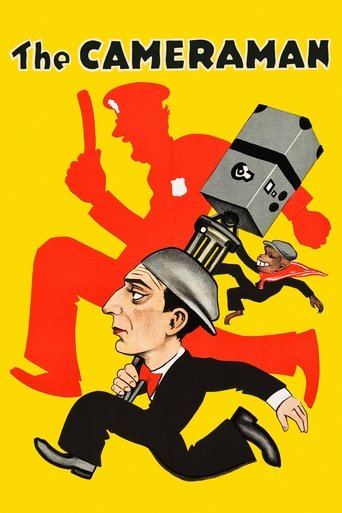
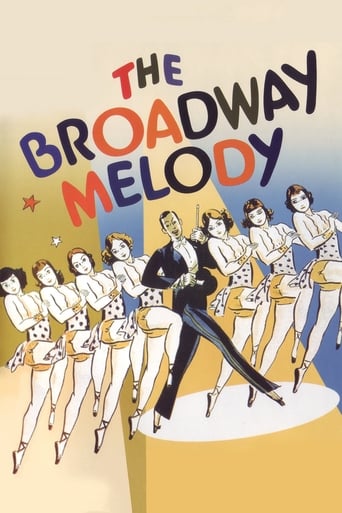
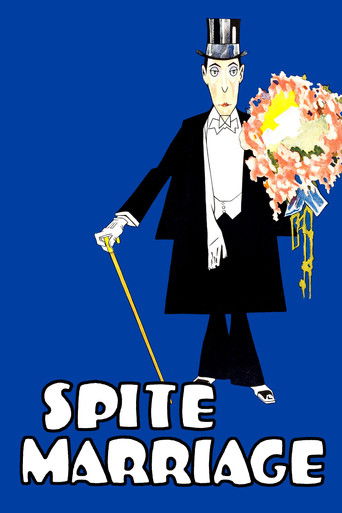
Ray Cooke, born Raymond Joseph Cooke, was a prolific American character actor whose three decades of Hollywood's evolution from silent films through the Golden Age. Beginning his film career in the mid-1910s, Cooke established himself as a reliable supporting player, appearing in over 200 films throughout his career. His most notable period was the late 1920s during the transition from silent to sound films, where he worked alongside some of the era's biggest stars including Buster Keaton in both 'The Cameraman' (1928) and 'Spite Marriage' (1929). Cooke appeared in the musical 'The Broadway Melody' (1929), which won the Academy Award for Best Picture and was one of the first sound films to achieve major critical and commercial success. As the sound era progressed, he continued to work steadily in smaller roles, often playing authority figures, businessmen, or providing comic relief in various genres. His filmography demonstrates remarkable versatility, from slapstick comedies to dramatic features, though he never achieved leading man status. Cooke retired from acting in the mid-1940s, leaving behind a substantial body of work that exemplifies the journey of a Hollywood character actor during cinema's most transformative decades.
The Craft
On Screen
Cooke was known for his versatile character acting, specializing in playing authority figures, businessmen, and comic relief roles. His style adapted well to the transition from silent to sound films, where his expressive face and physical comedy skills in silent films translated effectively to dialogue-driven performances. He had a particular talent for portraying both serious and comedic characters with equal conviction, making him a valuable supporting player in various genres.
Milestones
- Appeared in Buster Keaton's 'The Cameraman' (1928)
- Featured in Academy Award-winning 'The Broadway Melody' (1929)
- Worked in Keaton's final silent film 'Spite Marriage' (1929)
- Transitioned successfully from silent to sound films
- Appeared in over 200 films during his 30-year career
Best Known For
Iconic Roles
Must-See Films
Working Relationships
Worked Often With
Studios
Why They Matter
Impact on Culture
Ray Cooke represents the quintessential Hollywood character actor whose work, while not always recognized by audiences by name, contributed significantly to the success of many classic films. His ability to adapt from silent to sound cinema exemplifies the challenges and triumphs of actors during this transitional period. Cooke's appearances in landmark films like 'The Broadway Melody' helped establish the template for early sound musicals, while his work with Buster Keaton contributed to some of the most celebrated comedies of the late silent era. His career demonstrates how supporting actors formed the essential backbone of Hollywood's studio system, providing the necessary depth and texture that elevated films beyond their stars.
Lasting Legacy
Ray Cooke's legacy lies in his extensive body of work that spans. While never a household name, his performances in over 200 films document the evolution of American cinema from the silent era through the Golden Age. His work with major stars like Buster Keaton and his presence in films like 'The Broadway Melody' ensure that his contributions to film history are preserved, even if his name isn't widely recognized by modern audiences. Cooke's career shows the vital role that character actors played in building Hollywood's golden age.
Who They Inspired
As a supporting actor, Cooke's influence was primarily through his work ethic and versatility rather than mentoring specific individuals. His ability to seamlessly transition between genres and adapt to new technologies inspired other character actors facing similar challenges during the sound revolution. His consistent performances across numerous studios and productions set a standard for reliability that became highly valued in the studio system, influencing how character actors approached their careers in subsequent decades.
Off Screen
Ray Cooke was born and raised in New York City before moving to Hollywood to pursue his acting career. He married actress and fellow New York native Claire McDowell in 1932, though the marriage ended in divorce. Cooke was known among his colleagues as a reliable professional who brought consistency to his supporting roles. He lived a relatively private life away from the Hollywood spotlight, focusing on his craft rather than celebrity. After retiring from acting in the mid-1940s, he lived out his remaining years in Los Angeles until his death in 1955 at the age of 68.
Education
Limited formal education, likely completed high school in New York City before entering show business
Family
- Claire McDowell (1932-1935)
Did You Know?
- Appeared in two Buster Keaton films released just a year apart
- Worked during the complete transition from silent to sound films
- His active years covered exactly 30 years from 1915 to 1945
- Appeared in 'The Broadway Melody', the second film to win Best Picture
- Often played uncredited roles in major productions
- Shared the screen with many of Hollywood's biggest stars despite never achieving star status himself
- His filmography includes work with virtually every major studio of the era
- Born in the same year that film pioneer Thomas Edison patented his movie camera
- Worked with both silent comedy legends and early musical stars
- His final film appearances came during World War II
In Their Own Words
No documented famous quotes attributed to Ray Cooke, as was common for character actors of his era
Frequently Asked Questions
Who was Ray Cooke?
Screen credits include over 200 films during Hollywood's silent and early sound era, working alongside major stars like Buster Keaton and appearing in the Academy Award-winning film 'The Broadway Melody' (1929).
What films is Ray Cooke best known for?
Titles linked here include The Cameraman (1928), The Broadway Melody (1929).
When was Ray Cooke born and when did he die?
Born February 16, 1887; died March 20, 1955.
What awards did Ray Cooke win?
Ray Cooke did not receive any major personal awards or nominations during his career, which was typical for character actors of his era, though he did appear in the Academy Award-winning film 'The Broadway Melody'.
What was Ray Cooke's acting style?
Cooke was known as a versatile character actor who specialized in playing authority figures, businessmen, and comic relief roles. His style successfully transitioned from the expressive physical comedy needed in silent films to the dialogue-driven performances required in talkies.
How long was Ray Cooke's career?
Ray Cooke's acting active years covered exactly 30 years, from 1915 to 1945, covering the late silent era through the Golden Age of Hollywood.
Did Ray Cooke work with any famous directors or stars?
Yes, Cooke worked with several notable figures including Buster Keaton in two films, director Charles Reisner, and appeared in films produced by major studios like MGM, Paramount, and Universal during their golden years.
What was Ray Cooke's role in early Hollywood?
Cooke represented the essential backbone of Hollywood's studio system as a reliable character actor who could adapt to any genre, providing the supporting performances that helped make stars shine and films successful during cinema's most transformative decades.