
Lazy Days
"Where while meets fate"
Keys: Space play/pause · ←/→ 10s · F fullscreen · M mute · </> speed
About this film
Without warning, Jazz Age life, while the other kids and animals find things to do on the farm, Farina becomes single-minded in his quest to do nothing at all.
Cast & crew
More films like this
More Comedy films
View all →







More from Robert F. McGowan
View all →

More about this film
About the production
Release dateJune 8, 1929
Box officeBox office figures not recorded for short subjects during this period
ProductionHal Roach Studios, Metro-Goldwyn-Mayer (distributor)
Filmed inHal Roach Studios, Culver City, California, Various farm locations in Los Angeles County
This film was produced during the critical transition period from silent films to talkies. While primarily a silent film with synchronized music and sound effects, it represents the Our Gang series' adaptation to new sound technology. The farm setting was created on the Hal Roach backlot, utilizing the studio's extensive outdoor sets. The production faced challenges in coordinating the child actors with farm animals, requiring multiple takes for many scenes. The film was shot quickly, as was typical for the Our Gang series which maintained a rapid production schedule of approximately one short every 3-4 weeks.
Themes
Childhood innocenceLaziness versus productivityFriendship and cooperationRacial harmonyThe simplicity of rural life
Themes & topics
farmlazinesschildrencomedyOur Gangsilent filmsound transitionchildhoodanimalschoresfriendshiphumorshort filmHal Roach1920s
Historical background
Released in 1929, Lazy Days arrived during the Jazz Age, when audiences were hungry for new screen experiences.
Why this film matters
Lazy Days remains a reference point for scholars tracing how Jazz Age filmmaking handled plot, performance, and audience expectation.
Making of
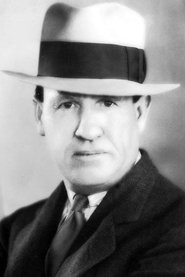
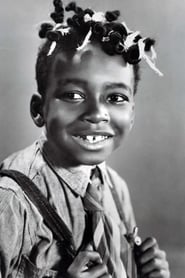
The production of 'Lazy Days' took place during a pivotal moment in cinema history as Hollywood was transitioning from silent films to talkies. The Hal Roach Studios, where Our Gang was produced, was one of the first studios to embrace sound technology. Director Robert F. McGowan had to adapt his directing style to accommodate the new technical requirements while maintaining the natural, spontaneous performances that made the series famous. The child actors, particularly Allen 'Farina' Hoskins, had to learn to work with microphones hidden on set. The farm setting required extensive set construction and the coordination of numerous animals, which proved challenging with the young cast. McGowan's philosophy was to let the children be themselves as much as possible, often rolling the camera continuously to capture authentic moments. The film's sound was recorded using the Vitaphone system, which synchronized sound discs with the film projection. This technical limitation sometimes constrained the actors' movements, but the production team worked creatively to maintain the series' signature dynamic energy.
What critics said
Modern silent- and classic-film writers often revisit Lazy Days for its place in the Jazz Age lineup rather than for blockbuster status.
Did you know?
- This was one of the last Our Gang shorts produced before the series fully transitioned to sound, though it still retained silent film characteristics with synchronized music and sound effects
- Allen 'Farina' Hoskins was especially popular and longest-running characters in the Our Gang series, appearing in over 100 shorts from 1922 to 1931
- The film's theme of Farina's laziness became especially memorable character traits in the entire Our Gang series
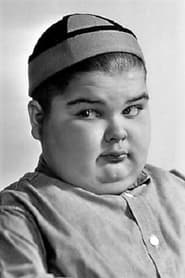
- Norman Chaney, who played Chubby, was known for his distinctive appearance and was one of the few overweight child actors in Hollywood at the time
- The farm animals used in the production were rented from local ranches and reportedly caused numerous delays during filming
- This short was released just months before the stock market crash of 1929, making it one of the last films produced during the Roaring Twenties prosperity
- The film's title 'Lazy Days' became a common phrase in American culture during the Great Depression, though the short preceded the economic collapse
- Director Robert F. McGowan helmed over 80 Our Gang shorts and was instrumental in developing the series' signature naturalistic style
- The film was originally released with a synchronized musical score featuring popular songs of the era
- Farina's character was groundbreaking as one of the first positive representations of an African American child in mainstream American cinema
Awards & recognition
- No specific awards were recorded for short subjects in 1929, as the Academy Award for Best Short Subject (Comedy) was not established until 1932
Visual style
The cinematography in Lazy Days was handled by the Hal Roach Studios' regular camera crew, who had developed a distinctive visual style for the Our Gang series. The film was shot using the new sound cameras, which were larger and more cumbersome than silent film cameras, requiring adjustments to the typically mobile shooting style of the series. The cinematographers employed natural lighting whenever possible, especially for the outdoor farm scenes, to maintain the documentary-like quality that was a hallmark of the Our Gang shorts. The camera work was relatively straightforward compared to the elaborate techniques being developed in feature films of the era, but this simplicity was intentional - it allowed the focus to remain on the children's natural performances. The farm setting allowed for wide shots that captured the entire group of children, as well as medium close-ups that highlighted individual reactions and comic timing. The cinematography team had to work around the technical limitations of early sound recording, which restricted camera movement, but they managed to maintain the series' characteristic visual spontaneity through careful planning and composition.
Innovations
Lazy Days represents several important technical achievements in early cinema, particularly in the realm of sound technology. The film was produced during the critical transition period from silent to sound cinema, and the Hal Roach Studios was at the forefront of this technological revolution. The production utilized the Vitaphone sound-on-disc system, which required precise synchronization between the film projector and separate phonograph records. The technical crew had to solve numerous challenges related to recording sound in outdoor settings with children and animals, developing innovative techniques for microphone placement and sound isolation. The film's successful integration of synchronized music and sound effects while maintaining the spontaneous quality of the children's performances was a significant achievement for the era. The production also demonstrated early innovations in recording child actors, requiring special microphone techniques to capture their natural voices without making them self-conscious. The farm setting presented unique acoustic challenges that the sound team had to overcome, contributing to the development of location sound recording techniques that would become standard in later years. The film's technical success helped establish the viability of sound technology for comedy shorts and influenced the entire industry's approach to sound production.
Music
Lazy Days featured a synchronized musical score typical of early sound shorts, using the Vitaphone sound-on-disc system. The music was composed by Leroy Shield, who created many of the memorable themes for the Our Gang series. The soundtrack included popular songs of the late 1920s adapted for the film's mood, as well as original comedic musical cues that highlighted the action on screen. The sound effects were relatively simple but effective for the era, including animal sounds, farm equipment noises, and exaggerated comic effects. The film did not include synchronized dialogue, as was common for transitional shorts of this period, instead relying on the traditional intertitles used in silent films combined with the musical score and sound effects. The music was performed by studio musicians and recorded separately from the visual elements, then synchronized during projection. This soundtrack approach represented the compromise between silent film tradition and the new sound technology that characterized many productions from this transitional period. The musical themes created for this and other Our Gang shorts would become instantly recognizable to audiences and would later be reused in the television syndication of the series.
Famous quotes
Farina: 'I ain't gonna do nothin' today... and I'm doin' it real good!'
Farina: 'Work's for people who ain't smart enough to be lazy!'
Various characters: 'Come on, Farina, everybody's helpin'!'
Farina: 'Restin's hard work when you do it right!'
Memorable scenes
- The opening scene where Farina finds the most comfortable spot on the farm to do absolutely nothing, while chaos erupts around him
- The sequence where other children try to convince Farina to help with farm chores, resulting in his increasingly creative excuses
- The climactic scene where Farina's attempts to avoid work accidentally solve a farm problem, proving that sometimes doing nothing can accomplish something
- The moment when all the farm animals gather around Farina, seemingly adopting his philosophy of relaxation
- The final scene where Farina reluctantly helps with one small task but immediately returns to his state of perfect inactivity
What audiences thought
Lazy Days was well-received by audiences in 1929, who had grown to love the Our Gang characters through their previous appearances in silent shorts. The film's release during the summer months made it particularly popular with family audiences seeking entertainment during vacation time. Theater owners reported strong attendance for Our Gang shorts, which were often used as reliable crowd-pleasers to support feature presentations. The character of Farina was especially popular with audiences of all races, making him widely recognized child stars of the era. The film's simple, universal theme of wanting to avoid work resonated with both children and adults. During the subsequent Depression years, Our Gang shorts like Lazy Days became even more popular as they represented an idealized vision of childhood that provided escape from harsh economic realities. The film continued to be shown in theaters for years after its initial release and later became a staple of early television programming when the shorts were syndicated as 'The Little Rascals' in the 1950s.
Film connections
Influenced by
- Previous Our Gang silent shorts
- Charlie Chaplin's comedy style
- Harold Lloyd's everyday comedy
- Buster Keaton's visual humor
- The general trend of naturalistic child performance in late 1920s cinema
This film influenced
- Subsequent Our Gang sound shorts
- The Little Rascals television series
- Modern family comedy films featuring children
- Children's television programming emphasizing natural performance
- Comedy shorts focusing on childhood themes
Film restoration
Lazy Days is preserved in the film archives and has been restored as part of the Our Gang/Little Rascals collection. The original negatives and prints are maintained by the Museum of Modern Art and the UCLA Film and Television Archive. The film has undergone digital restoration for home video releases, with efforts made to preserve both the visual elements and the original Vitaphone soundtrack. The restoration work has addressed issues common to films of this era, including film degradation and sound synchronization problems. The film is considered to be in good preservation condition, with complete versions available for viewing.
Where to watch
- The film is available in The Little Rascals: The Complete Collection DVD set from Warner Home Video
- Streaming on various classic film platforms that license the Our Gang library
- Available for digital purchase on Amazon Prime Video and iTunes
- Occasionally screened at classic film festivals and cinematheque programs
- Accessible through some educational film archives and university collections
- Included in various public domain compilations of Our Gang shorts