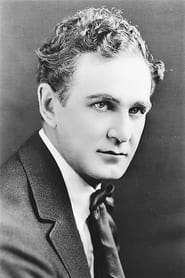
Bobby Burns
Actor
Born: 1870 in Philadelphia, Pennsylvania, USA Died: January 16, 1936 Active: 1913-1936 Birth Name: Robert Burns
Films
3 films
About Bobby Burns
American comedian and actor who flourished during the silent film era and successfully transitioned into talkies. Born in 1870, he began his career in vaudeville before transitioning to motion pictures in the 1910s. He formed a successful comedy duo with Walter Stull known as 'Pokes and Jabbs,' creating numerous short comedies that were popular with audiences of the time. Burns worked extensively with Hal Roach Studios and appeared in over 150 short films throughout his career. His comedic style was characterized by physical comedy, expressive facial gestures, and a bumbling but endearing persona. He continued working in films through the transition to sound, appearing in various supporting roles in comedy shorts until his death in 1936. His nearly three decades of cinema, making him one of the early pioneers of film comedy.
The Craft
On Screen
Physical comedy with expressive facial gestures and a bumbling yet endearing persona
Milestones
- Formed the comedy duo 'Pokes and Jabbs' with Walter Stull
- Starred in over 150 short comedy films
- Successfully transitioned from silent films to talkies
- Worked extensively with Hal Roach Studios
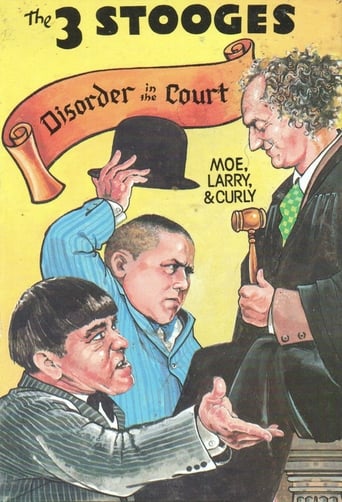
- Appeared in Three Stooges short 'Disorder in the Court' (1936)
Best Known For
Iconic Roles
Must-See Films
Working Relationships
Worked Often With
Studios
Why They Matter
Impact on Culture
Bobby Burns was part of the first generation of film comedians who helped establish the language of screen comedy. His work in the 'Pokes and Jabbs' series contributed to the development of the comedy duo format that would later be perfected by teams like Laurel and Hardy and Abbott and Costello. His ability to transition from silent films to talkies demonstrated adaptability during a crucial period in cinema history. His physical comedy style influenced subsequent generations of comedians who worked in short subjects and feature films.
Lasting Legacy
Bobby Burns' legacy lies in his contributions to early film comedy and his work in establishing the comedy duo format. While not as well-remembered today as some of his contemporaries, his extensive filmography provides valuable documentation of early 20th century comedy styles. His career trajectory from vaudeville to silent films to talkies mirrors the evolution of American entertainment during this transformative period. His work with Hal Roach Studios places him within the same creative environment that produced comedy legends like Harold Lloyd, the Our Gang series, and Laurel and Hardy.
Who They Inspired
Burns influenced later comedy performers through his work in establishing physical comedy techniques and the chemistry of comedy duos. His timing and facial expressions set standards that would be emulated by subsequent generations of film comedians. The 'Pokes and Jabbs' series he created with Walter Stull helped establish formulas for two-person comedy routines that would be refined by later acts. His longevity in the industry demonstrated the viability of a career in comedy shorts during the early days of Hollywood.
Off Screen
Bobby Burns was married and had children, though detailed information about his family life is scarce in historical records. He spent most of his adult life working in the entertainment industry, first in vaudeville and then in motion pictures. His career was his primary focus, and he was known as a dedicated performer who worked consistently throughout his life. He passed away in 1936 in Los Angeles, California, after a lengthy career in entertainment.
Education
No formal education records available; likely educated in the late 19th century and trained in vaudeville performance
Family
- Unknown (marriage dates not available)
Did You Know?
- Appeared in over 150 short films throughout his career
- Formed the comedy duo 'Pokes and Jabbs' with Walter Stull
- His final film appearance was in the Three Stooges short 'Disorder in the Court' (1936)
- Began his career in vaudeville before transitioning to films
- Worked during the entire transition period from silent films to talkies
- Was one of the older comedians still actively working in the 1930s
- His real name was Robert Burns
- He was born in Philadelphia, Pennsylvania
- He worked extensively with comedy producer Hal Roach
- His active years covered nearly three decades in entertainment
In Their Own Words
No specific famous quotes documented in historical records
Frequently Asked Questions
Who was Bobby Burns?
American comedian and with credits in this catalog. He was best known for forming the comedy duo 'Pokes and Jabbs' with Walter Stull and appeared in over 150 short comedy films throughout his career.
What films is Bobby Burns best known for?
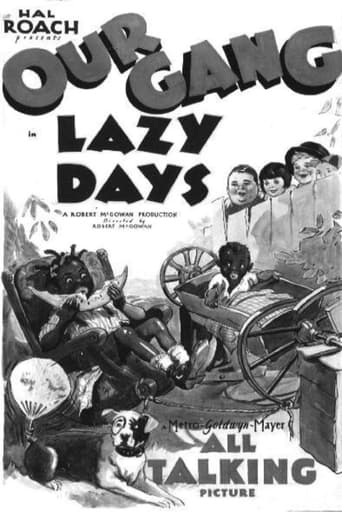
Titles linked here include Lazy Days (1929), Disorder in the Court (1936).
When was Bobby Burns born and when did he die?
Born 1870; died January 16, 1936.
What awards did Bobby Burns win?
There are no documented awards or nominations for Bobby Burns, which was common for actors working primarily in short comedy films during the early decades of cinema.
What was Bobby Burns' acting style?
Bobby Burns specialized in physical comedy characterized by expressive facial gestures and a bumbling yet endearing persona. His style was typical of the slapstick comedy popular during the silent era, which he successfully adapted for sound films.