
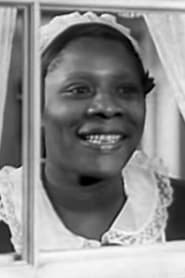
Gertrude Howard
Actor
Born: October 15, 1892 in Philadelphia, Pennsylvania, USA Died: March 14, 1944 Active: 1929-1934
Films
3 films

About Gertrude Howard
American actress who worked primarily during the transition from silent films to early sound cinema in the late 1920s and early 1930s. Her brief but notable from 1929 to 1934, during which she appeared in several supporting roles that showcased her versatility as a character actress. Howard began her film career at a pivotal moment in Hollywood history when the industry was adapting to sound technology, and she successfully made the transition from silent to talking pictures. Her performances in films like 'Moan & Groan, Inc.' (1929), 'Conspiracy' (1930), and 'Peck's Bad Boy' (1934) demonstrated her ability to handle both comedic and dramatic material. Like many character actresses of her era, she often played maternal figures, maids, or other supporting roles that added depth to the main storylines. Despite her relatively short filmography, Howard was part of the foundational generation of sound film actors who helped establish the conventions of early Hollywood talkies. Her career, while not extensive, represents the typical trajectory of many working actresses during this transitional period in cinema history.
The Craft
On Screen
Gertrude Howard specialized in character acting, often portraying maternal figures, domestic workers, and supporting roles that required emotional authenticity and reliability. Her acting style was typical of the transitional period between silent and sound cinema, combining the exaggerated expressions of silent film with the more naturalistic delivery required for talkies. She demonstrated particular skill in comedic timing while maintaining the dignity of her characters, avoiding the stereotypical portrayals that were common for actresses in similar roles during this era.
Milestones
- Film debut in 'Moan & Groan, Inc.' (1929)
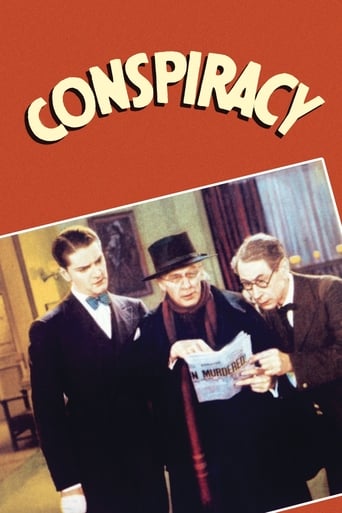
- Supporting role in 'Conspiracy' (1930)
- Appearance in 'Peck's Bad Boy' (1934)
- Successful transition from silent to sound films
Best Known For
Iconic Roles
Must-See Films
Working Relationships
Studios
Why They Matter
Impact on Culture
Gertrude Howard's career, though brief, represents an important chapter in early Hollywood cinema history as part of the transition from silent films to sound pictures. As an African American actress working during the early 1930s, she contributed to the representation of Black performers in mainstream cinema during a period when opportunities were severely limited. Her work in films like 'Moan & Groan, Inc.' and 'Conspiracy' helped establish the presence of Black actors in supporting roles during the formative years of sound cinema. While her roles may have been constrained by the racial stereotypes of the era, her performances added authenticity and depth to the films in which she appeared. Howard's career trajectory mirrors that of many character actors of her time who worked steadily but remained largely without on-screen billing in film history, highlighting the need for greater recognition of the supporting players who built Hollywood's golden age.
Lasting Legacy
Gertrude Howard's legacy lies in her contribution to early sound cinema as a representative of the many character actors who formed the backbone of Hollywood's studio system. Though her filmography was limited, her work during the crucial transition period from silent to sound films places her among the pioneers who adapted to new cinematic technologies. Her performances serve as historical documentation of the types of roles available to African American actresses during the early 1930s and the challenges they faced in an industry rife with racial limitations. Today, film historians and classic cinema enthusiasts recognize performers like Howard as essential to understanding the full scope of Hollywood's development and the diverse talents that contributed to its golden age, even when their names were not featured prominently in marquees or film credits.
Who They Inspired
As a character actress from the early sound era, Gertrude Howard's influence is primarily seen in the path she helped forge for future generations of African American performers in Hollywood. Her ability to secure consistent work during the challenging early 1930s demonstrated the possibilities for Black actors in mainstream cinema, even within the constraints of the era's racial limitations. While she may not have directly mentored other performers, her professional persistence and adaptability during the transition to sound films set an example for subsequent character actors. Howard's career represents the foundation upon which later African American performers would build more substantial and varied opportunities in Hollywood.
Off Screen
Gertrude Howard was born in Philadelphia, Pennsylvania, and began her entertainment career likely in theater before transitioning to films during the early sound era. She was part of the generation of African American performers who found opportunities in Hollywood during the early 1930s, albeit often limited to stereotypical roles. Her personal life remained largely private, as was common for supporting actors of her time who did not achieve star status. Howard passed away in 1944 at the age of 51, bringing an end to a career that, while not extensively documented, represented the contributions of many character actors during Hollywood's formative sound period.
Did You Know?
- Gertrude Howard's active years covered the crucial transition period from silent films to sound pictures in Hollywood
- She appeared in 'Moan & Groan, Inc.' (1929), which was one of the early sound comedies
- Her film career was relatively brief, lasting only five years from 1929 to 1934
- Like many character actors of her era, she often played uncredited or minor supporting roles
- She was part of the first generation of African American actresses to work in sound films
- Her role in 'Conspiracy' (1930) represented one of her more substantial film appearances
- Howard worked during the Great Depression, a particularly challenging time for actors in Hollywood
- Her career ended before the Hollywood Production Code was fully enforced, which changed the types of roles available to performers
- She represents the many working actors of classic Hollywood whose contributions were essential but often undocumented in mainstream film histories
Frequently Asked Questions
Who was Gertrude Howard?
American actress who worked during the early sound era of Hollywood, appearing in films between 1929 and 1934. She was a character actress who appeared in supporting roles in films like 'Moan & Groan, Inc.' (1929), 'Conspiracy' (1930), and 'Peck's Bad Boy' (1934), representing the working actors who helped establish early sound cinema.
What films is Gertrude Howard best known for?
Titles linked here include Moan & Groan, Inc. (1929), Conspiracy (1930).
When was Gertrude Howard born and when did she die?
Born October 15, 1892; died March 14, 1944.
What awards did Gertrude Howard win?
There are no documented awards or nominations for Gertrude Howard, which was common for character actors and supporting performers during her era. Like many working actors of the 1930s, her contributions were essential to the films but often unrecognized by formal award institutions of the time.
What was Gertrude Howard's acting style?
Gertrude Howard specialized in character acting, typically portraying maternal figures and domestic workers with emotional authenticity. Her style bridged the gap between silent film expression and the naturalistic delivery required for sound pictures, with particular skill in comedic timing while maintaining character dignity.