
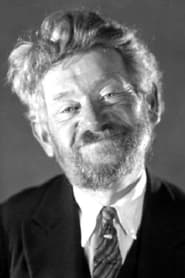
Max Davidson
Actor
Born: May 23, 1875 in Berlin, Germany Died: September 8, 1950 Active: 1912-1939
Films
15 films
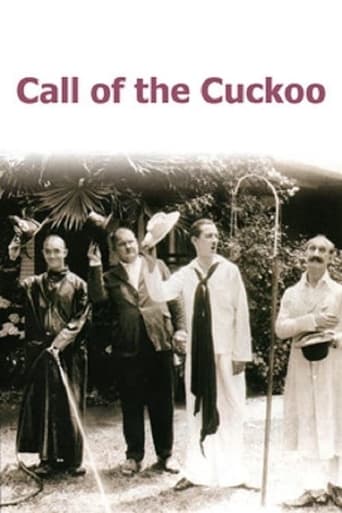
Call of the Cuckoo
1927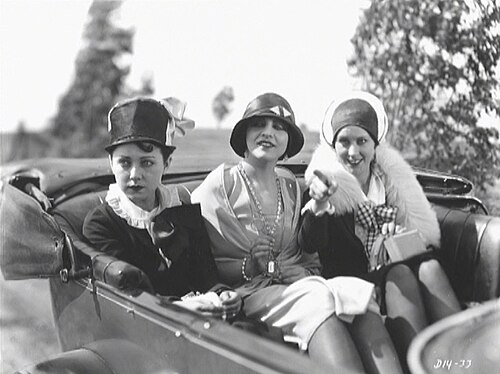
Feed 'em and Weep
1928No Poster
Going Ga-Ga
1929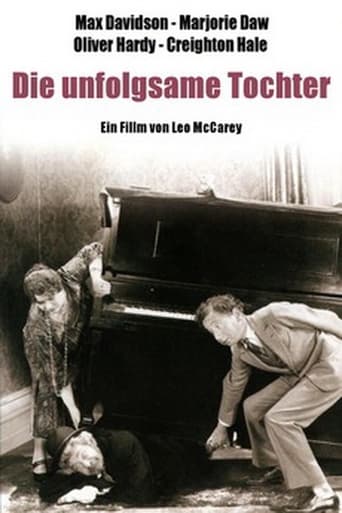
Why Girls Say No
1927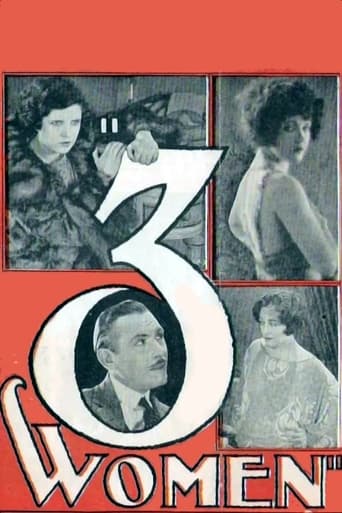
Three Women
1924
Moan & Groan, Inc.
1929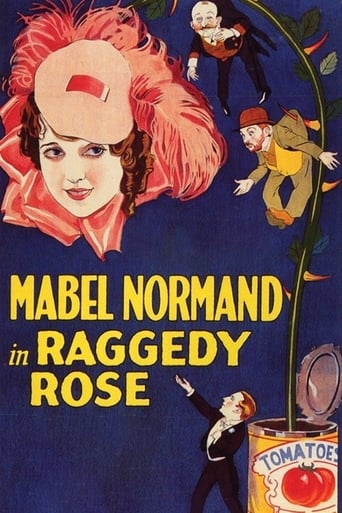
Raggedy Rose
1926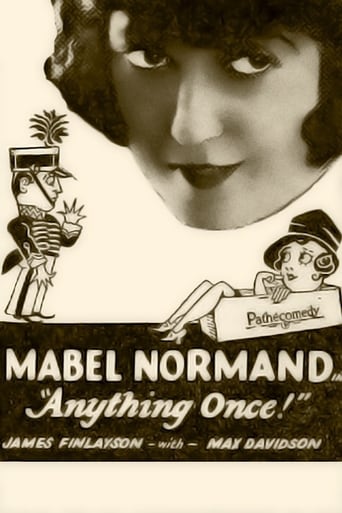
Anything Once!
1927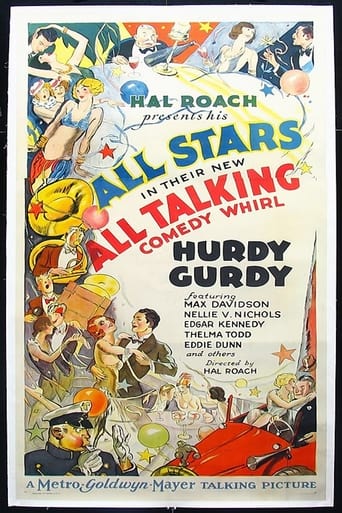
Hurdy Gurdy
1929
The Johnstown Flood
1926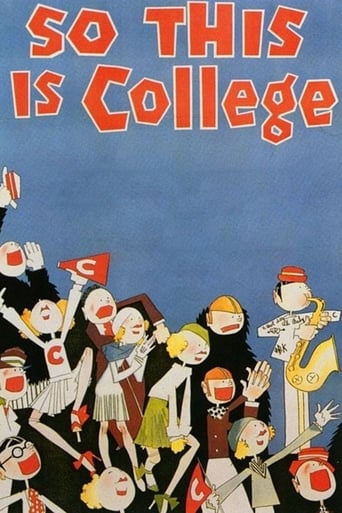
So This Is College
1929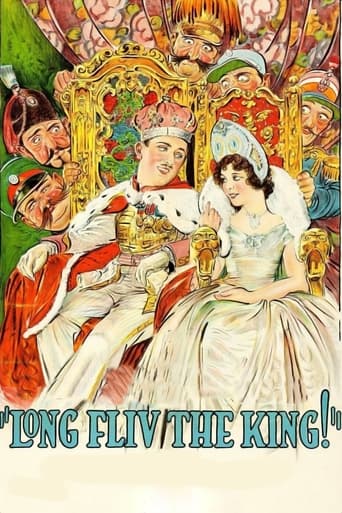
Long Fliv the King
1926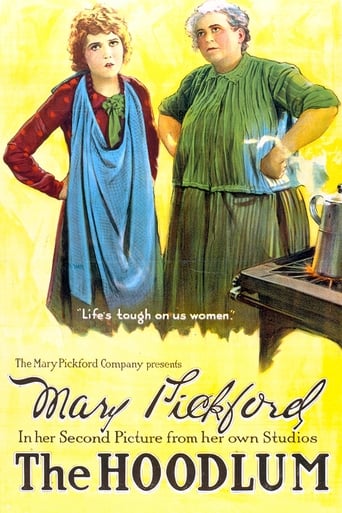
The Hoodlum
1919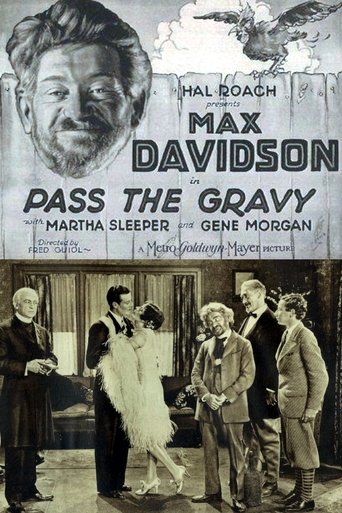
Pass the Gravy
1928About Max Davidson
Prolific German-American character actor who became recognizable faces of silent film comedy, particularly known for his portrayals of Jewish patriarchs. Born in Berlin, Germany, he began his career in theater before immigrating to the United States and transitioning to films around 1912. Davidson's career flourished in the 1920s when he signed with Hal Roach Studios, where he became a staple of their comedy short subjects, often playing the exasperated father or Jewish businessman archetype. His distinctive appearance—bald head, round glasses, and expressive face—combined with his mastery of physical comedy made him instantly recognizable to silent film audiences. Davidson worked with notable directors like Ernst Lubitsch and appeared in significant features including 'Three Women' (1924) and 'The Johnstown Flood' (1926). While the transition to sound films in the late 1920s diminished his screen presence, he continued appearing in smaller roles through the 1930s, ultimately appearing in over 150 films during his career. Davidson's performances, while sometimes relying on ethnic stereotypes common to the era, brought visibility to Jewish characters in mainstream cinema and established him as one of the silent era's most prolific character actors.
The Craft
On Screen
Davidson specialized in broad physical comedy with exaggerated gestures and facial expressions typical of silent film performance. He utilized his distinctive appearance—bald head, glasses, and expressive eyes—to maximum comedic effect, often playing exasperated or flustered characters. His style incorporated elements of Jewish theatrical traditions, combining pathos with comedy, and he was particularly adept at conveying emotion through subtle changes in expression and body language. Davidson's performances, while sometimes relying on ethnic stereotypes of the era, were characterized by a warmth and humanity that made his characters relatable despite their comic exaggerations.
Milestones
- Signed with Hal Roach Studios in the 1920s becoming a comedy short subject regular
- Starred in Ernst Lubitsch's 'Three Women' (1924)
- Appeared in the epic disaster film 'The Johnstown Flood' (1926)
- Headlined his own series of comedy shorts for Hal Roach
- Successfully transitioned from German theater to American cinema
- Appeared in over 150 films during his 27-year career
Best Known For
Iconic Roles
Must-See Films
Accolades
Special Recognition
- Recognized as one of silent cinema's most prolific character actors
Working Relationships
Worked Often With
Studios
Why They Matter
Impact on Culture
Max Davidson played a significant role in bringing Jewish characters to mainstream American cinema during the silent era, at a time when such representation was limited. While his performances sometimes relied on ethnic stereotypes common to the period, they also provided visibility and humanized portrayals that resonated with Jewish audiences. His work with Hal Roach Studios helped establish the template for ethnic comedy in American film, influencing how subsequent generations would approach humor involving cultural differences. Davidson's success as a German-Jewish immigrant in Hollywood also served as an inspiration for other foreign-born actors seeking to break into the American film industry during its formative years.
Lasting Legacy
Max Davidson's legacy endures through the preservation of silent films and the continued study of character actors from early Hollywood. As. His extensive filmography provides valuable insight into the evolution of comedy and the treatment of minority characters in early 20th-century film. Modern film historians and scholars frequently reference Davidson when discussing the contributions of character actors to silent cinema and the complex relationship between humor, ethnicity, and representation in early Hollywood.
Who They Inspired
Davidson influenced subsequent generations of character actors, particularly those specializing in ethnic roles, demonstrating how to balance comedic stereotypes with genuine humanity. His work with Hal Roach helped establish the studio's reputation for producing diverse comedy content, paving the way for other ethnically diverse performers. The techniques he developed for conveying emotion through physical expression influenced silent film comedy broadly, and his ability to create memorable characters with limited screen time set a standard for supporting actors that continues to this day.
Off Screen
Max Davidson married Bertha Davidson and the couple had two children together. He immigrated to the United States from Germany in the early 1900s, bringing with him extensive theater experience from European stages. Davidson maintained strong ties to his Jewish heritage throughout his life, which influenced both his personal identity and professional career. After retiring from films in the late 1930s, he lived in Los Angeles until his death in 1950 at the age of 75. His family remained in the entertainment industry, with his children continuing his legacy in various capacities.
Education
Trained in German theater traditions; formal education details not widely documented
Family
- Bertha Davidson (married until his death in 1950)
Did You Know?
- Appeared in over 150 films during his career
- Was one of Hal Roach's most reliable character actors in the 1920s
- Often played characters named 'Max' in his films
- His distinctive look (bald with glasses) made him instantly recognizable
- Successfully transitioned from German theater to American film
- Worked with both Laurel and Hardy before they became a team
- Was one of the few actors of Jewish descent to achieve regular work in silent films
- His career declined significantly with the advent of sound pictures
- Often typecast as Jewish fathers or businessmen
- Continued acting in small roles through the 1930s despite reduced prominence
In Their Own Words
In silent films, your face had to do all the talking. Every expression counted.
Comedy is tragedy happening to someone else, and I made sure the audience could see both.
Typecasting can be a prison, but it can also be a steady meal ticket if you're smart about it.
Frequently Asked Questions
Who was Max Davidson?
German-American character with credits in this catalog. He appeared in over 150 films between 1912 and 1939, working primarily with Hal Roach Studios and becoming.
What films is Max Davidson best known for?
Titles linked here include Three Women (1924), Raggedy Rose (1926).
When was Max Davidson born and when did he die?
Born May 23, 1875; died September 8, 1950.
What awards did Max Davidson win?
Despite his prolific career and significant contributions to silent film comedy, Max Davidson did not receive major formal awards or nominations during his lifetime. His recognition came primarily from his consistent work and popularity with audiences of the silent era.
What was Max Davidson's acting style?
Davidson specialized in broad physical comedy typical of silent films, using his distinctive appearance—bald head, glasses, and expressive face—to maximum effect. He combined exaggerated gestures with subtle emotional nuances, often playing exasperated or flustered Jewish patriarchs with both humor and humanity.