Girl Shy
"Shy tailor, wild motorcycle chase"
Keys: Space play/pause · ←/→ 10s · F fullscreen · M mute · </> speed
About this film
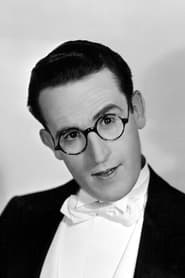
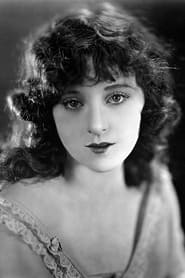
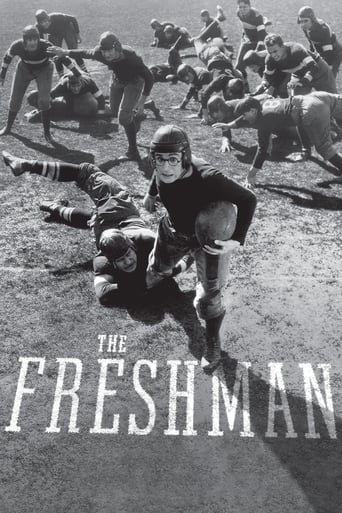
Stuttering tailor's apprentice Harold Meadows writes a guide to romance, then must chase by motorcycle to stop Mary from marrying another man.
Cast & crew
More films like this

More Comedy films
View all →






More from Fred C. Newmeyer
View all →
More about this film
About the production
Release dateMarch 30, 1924
BudgetApproximately $250,000
Box officeVery successful, grossing over $1.5 million domestically
ProductionHal Roach Studios, Pathé Exchange
Filmed inLos Angeles, California, San Fernando Valley, Various Southern California locations for the chase sequence
The film featured one of Harold Lloyd's most elaborate chase sequences, requiring months of planning and filming. The climactic race scene involved multiple transportation methods including a horse, motorcycle, car, and finally running on foot. Lloyd performed many of his own stunts, though a stunt double was used for the most dangerous sequences. The film was shot during the summer of 1923 with extensive location work to capture the authentic rural settings needed for the chase.
Themes
Social anxiety and overcoming personal limitationsThe contrast between theoretical knowledge and practical experienceTrue love vs. superficial attractionClass differences and social mobilityThe courage to act despite fear
Themes & topics
shy protagonisttailorwriterstutterrich girlweddingrace against timechase sequencebigamytrain journeytransformationunderdog heroromancecomedysilent film
Historical background
Harold Lloyd's 1924 feature paired his glasses character with ambitious location shooting for the climactic race.
Why this film matters
The motorcycle chase across traffic remains among silent comedy's most thrilling set pieces, studied for stunt coordination.
Making of
The production of 'Girl Shy' was typical of Harold Lloyd's meticulous approach to filmmaking. The famous chase sequence, which forms the film's climax, required extensive planning and coordination. Lloyd and his team spent weeks scouting locations along actual transportation routes to ensure the chase would be geographically plausible. The sequence involved over 100 extras, multiple vehicles, and carefully choreographed stunts. Lloyd, known for performing many of his own stunts, did most of the running scenes himself but used a stunt double for the more dangerous motorcycle sequences. The film was shot during one of the hottest summers on record in Los Angeles, making the physical demands of the chase scenes particularly grueling. The production also built an elaborate replica of a train interior for the opening scenes where Harold meets Mary.
What critics said
Reviewers hailed Lloyd's blend of humor and spectacle; the film was among his biggest commercial successes.
Did you know?
- The book Harold writes in the film, 'The Secret of Making Love,' was actually published as a promotional tie-in and sold in theaters.
- Jobyna Ralston was Harold Lloyd's regular leading lady, appearing in seven of his films between 1923-1925.
- The film's famous chase sequence was inspired by real train schedules and required precise timing to coordinate all the transportation methods.
- Harold Lloyd's character's stutter was entirely performed for the film; Lloyd did not have a speech impediment in real life.
- The wedding church scenes were filmed at the Church of the Recessional at Forest Lawn Memorial Park in Glendale, California.
- The film was re-released in 1927 with synchronized music and sound effects using the Phonofilm process.
- One of the stunt drivers during the chase sequence was actually hospitalized after a motorcycle accident during filming.
- The manuscript Harold carries throughout the film contained over 200 pages of actual text written by the film's writers.
- The film's success led to Harold Lloyd becoming the highest-paid film star of 1924.
- The tailor shop set was so detailed that it contained working sewing machines and actual fabric samples.
Awards & recognition
- No major awards were given for in 1924, as the Academy Awards were not established until 1929
Visual style
The cinematography by Walter Lundin and Byron Haskin was innovative for its time, particularly in the chase sequence which employed multiple cameras to capture the action from various angles. The film used extensive location photography, which was still relatively uncommon for comedies of the era. The train sequences were particularly noteworthy, using camera movement to create a sense of speed and urgency. The film also employed clever use of focus and depth to emphasize Harold's isolation in crowded scenes. The wedding sequence featured dramatic lighting to create a sense of tension and drama. The cinematography successfully balanced the comedic elements with the more romantic moments, using softer lighting for the love scenes and sharper, more dynamic camera work for the action sequences.
Innovations
The film's most significant technical achievement was the execution of the extended chase sequence, which required precise coordination between multiple camera units, stunt performers, and transportation logistics. The sequence employed innovative editing techniques to maintain continuity and build tension across different locations and modes of transport. The film also featured pioneering use of location shooting for comedy, moving away from the studio-bound productions common in the early 1920s. The train sequences utilized then-advanced camera mounting techniques to create smooth tracking shots. The film's special effects, particularly the speed-ramping in the chase scenes, were technically sophisticated for the period. The production also developed new techniques for safely filming dangerous stunts while maintaining visual excitement.
Music
As a silent film, 'Girl Shy' would have been accompanied by live musical performance in theaters. The original score was composed by Dr. William Axt and compiled from various classical and popular pieces. The music was designed to enhance the emotional content of each scene, with romantic themes for Harold and Mary's encounters, comedic motifs for Harold's awkward moments, and dramatic, fast-paced music for the chase sequence. The film was later re-released in 1927 with a synchronized soundtrack using the Phonofilm process, adding sound effects and a recorded musical score. Modern restorations have featured newly composed scores by silent film specialists, including a noted 2005 version by the Mont Alto Motion Picture Orchestra.
Famous quotes
Harold Meadows (via intertitle): 'I may be shy, but I know all about love - from books!'
Mary Buckingham (via intertitle): 'You're the most honest man I've ever met - even when you're pretending!'
Harold Meadows (via intertitle): 'A gentleman never tells a lady he's coming to save her from marriage - he just does it!'
Title card from Harold's book: 'Chapter One: How to Approach a Lady Without Fainting'
Memorable scenes
- The opening sequence where Harold attempts to give romantic advice to customers in the tailor shop while stuttering uncontrollably
- The train meeting where Harold first encounters Mary and accidentally reveals his manuscript
- The scene where Harold practices his romantic techniques on a mannequin with disastrous results
- The discovery of DeVore's existing marriage through a newspaper clipping
- The entire climactic chase sequence spanning multiple vehicles and increasingly desperate measures to reach the wedding
- The final confrontation at the church where Harold exposes the bigamy and wins Mary's heart
What audiences thought
The film was a tremendous box office success, becoming one of the highest-grossing films of 1924. Audiences particularly responded to Harold Lloyd's relatable portrayal of a shy young man, with many viewers seeing themselves in his character. The climactic chase sequence reportedly had audiences on the edge of their seats, with some theaters reporting standing ovations after the film's conclusion. The chemistry between Lloyd and Jobyna Ralston was widely praised by moviegoers, with many considering them one of the screen's most appealing romantic pairs. The film's success led to increased demand for Harold Lloyd films and cemented his status as one of the three giants of silent comedy alongside Chaplin and Keaton.
Film connections
Influenced by
- The general tradition of silent comedy chase sequences pioneered by Mack Sennett
- Charlie Chaplin's blend of comedy and pathos in films like 'The Kid'
- Buster Keaton's technical innovation in stunt sequences
- The romantic comedy traditions established by earlier films like 'The Sheik'
This film influenced
- Later Harold Lloyd films that refined the comedy-romance-action formula
- Frank Capra's 'It Happened One Night' which features a similar journey romance
- Modern romantic comedies that use the 'race to stop the wedding' trope
- Jackie Chan films that blend comedy with elaborate chase sequences
- The Coen Brothers' 'Raising Arizona' which features a similar desperate chase
Film restoration
The film is well-preserved with complete copies existing in several archives including the Library of Congress, the UCLA Film and Television Archive, and the Museum of Modern Art. A high-quality restoration was completed in 2005 by the Harold Lloyd Trust, featuring a new musical score and restored tinting. The film has been released on DVD and Blu-ray by The Criterion Collection as part of their Harold Lloyd collection. The original negative was destroyed in a 1960s vault fire, but excellent quality nitrate prints survived, allowing for modern preservation efforts.
Where to watch
- The Criterion Channel (streaming)
- DVD/Blu-ray from The Criterion Collection
- Kino Lorber DVD releases
- Various streaming services specializing in classic films
- Occasional broadcasts on Turner Classic Movies
- Digital rental through Amazon Prime Video and Apple TV