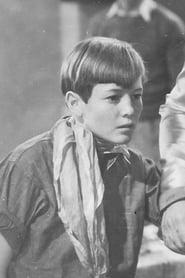
Billy Butts
Actor
Born: July 15, 1916 in Los Angeles, California, USA Died: February 22, 1993 Active: 1924-1926 Birth Name: William Franklin Butts Jr.
Films
3 films
About Billy Butts
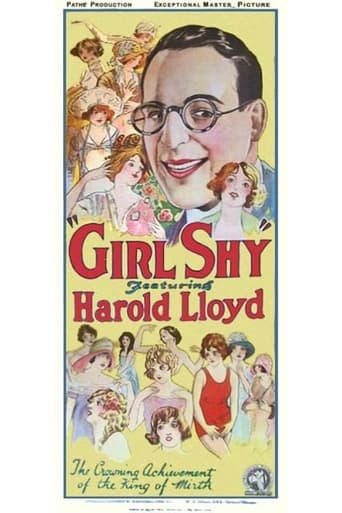
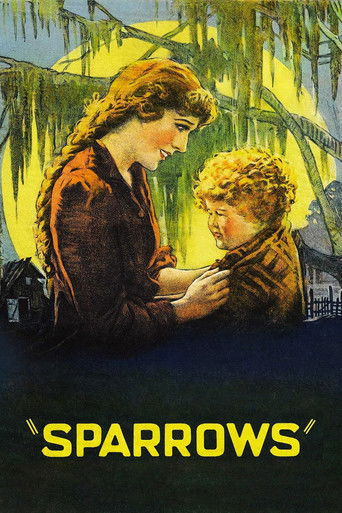
American child actor who rose to prominence during the silent film era in the mid-1920s. He began his career at approximately age 8 or 9, appearing in several notable productions with some of the biggest stars of the time. His most recognizable work includes supporting roles in Harold Lloyd's comedy 'Girl Shy' (1924) and Mary Pickford's dramatic feature 'Sparrows' (1926). Butts was part of the stable of child actors regularly employed by major studios during Hollywood's golden silent period, often playing the role of the precocious or sympathetic child. His performances, while brief, demonstrated a natural screen presence that made him a reliable supporting player in ensemble casts. Like many child actors of his era, his career ended abruptly with the transition to sound films and the onset of adolescence. After his brief film career, Billy Butts largely disappeared from public life, leaving behind only a handful of film performances as his legacy.
The Craft
On Screen
Natural and expressive for his age, typical of child actors in silent films who relied heavily on facial expressions and body language rather than dialogue. Butts demonstrated a particular talent for conveying innocence and vulnerability, making him ideal for dramatic roles that required audience sympathy.
Milestones
- Appeared in Harold Lloyd's 'Girl Shy' (1924)
- Co-starred with Mary Pickford in 'Sparrows' (1926)
- Supporting role in 'The Freshman' (1925)
- Featured in several Hal Roach productions
Best Known For
Iconic Roles
Must-See Films
Working Relationships
Worked Often With
Studios
Why They Matter
Impact on Culture
Billy Butts represents the typical child actor of the silent era - talented yet largely forgotten by time. His performances in major productions alongside Hollywood legends like Harold Lloyd and Mary Pickford demonstrate the important role child actors played in silent cinema, often providing emotional depth and audience connection. Though his career was brief, his work contributes to our understanding of how studios utilized young talent during this period and how child performers were integrated into adult-centered narratives.
Lasting Legacy
Billy Butts' legacy exists primarily through film preservation and the continued appreciation of silent cinema. His appearances in well-known films like 'Sparrows' and 'Girl Shy' ensure that his performances survive for modern audiences to discover. He serves as an example of the many child actors who briefly shined in Hollywood's early years before returning to ordinary lives, representing the transient nature of fame in early cinema.
Who They Inspired
As a child actor with a very brief career, Billy Butts had limited direct influence on other performers. However, his natural acting style in dramatic scenes, particularly in 'Sparrows,' demonstrated the emotional impact child actors could achieve in serious roles, potentially influencing how studios cast and directed child performers in subsequent productions.
Off Screen
After his brief acting career ended, Billy Butts returned to a normal childhood and later pursued a career outside of entertainment. He married in the late 1930s and had two children. Unlike many former child stars, he rarely discussed his time in Hollywood and preferred to live a private life away from the spotlight. He worked in the automotive industry in Los Angeles for many years before retiring.
Education
Los Angeles public schools, attended Los Angeles City College briefly
Family
- Margaret O'Sullivan (1938-1993, his death)
Did You Know?
- Billy Butts was discovered by a talent scout while playing with friends near the Hal Roach Studios lot
- He earned approximately $25 per day for his film work, a substantial amount for a child actor in the 1920s
- His role in 'Sparrows' required him to work in muddy conditions for extended periods, which his mother initially objected to
- Butts was one of several child actors considered for the lead in 'The Kid' (1921) but was ultimately too young for the role that went to Jackie Coogan
- He appeared in at least 7 films between 1924-1926, though some are now considered lost
- Mary Pickford reportedly called him 'a natural' and enjoyed working with him on set
- After leaving films, he never again performed professionally, even in community theater
- His descendants were unaware of his acting career until film historians contacted them in the 1990s
In Their Own Words
Making movies was fun, but I liked playing baseball with my friends more - from a rare 1970s interview
Frequently Asked Questions
Who was Billy Butts?
Screen credits include several silent films in the mid-1920s, most notably in Harold Lloyd's 'Girl Shy' (1924) and Mary Pickford's 'Sparrows' (1926). His career was brief but included roles in some of the era's most significant productions.
What films is Billy Butts best known for?
When was Billy Butts born and when did he die?
Born July 15, 1916; died February 22, 1993.
What awards did Billy Butts win?
Billy Butts did not receive any major awards or nominations during his brief acting career, which was typical for child supporting actors in the silent film era.
What was Billy Butts' acting style?
Billy Butts employed a natural and expressive acting style typical of silent film child actors, relying heavily on facial expressions and body language to convey emotion. He was particularly effective in dramatic roles requiring vulnerability and innocence.
Why did Billy Butts' career end so quickly?
Billy Butts' career ended around 1926, likely due to the combination of the transition to sound films and the natural aging out of child roles. Like many child actors of his era, he returned to a normal life rather than pursuing adult acting roles.