Films
1 film
About Nola Luxford
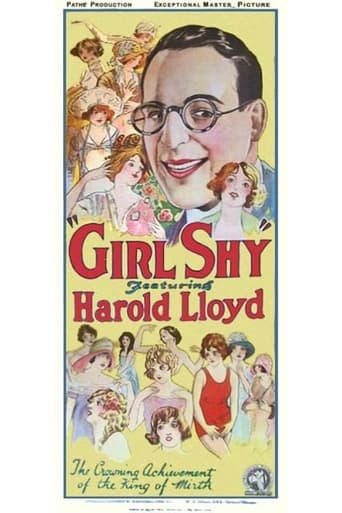
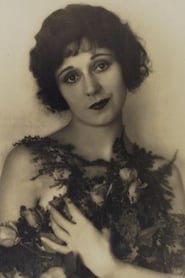
American actress who worked during the silent film era of the 1920s. Her most notable screen appearance was in Harold Lloyd's classic comedy 'Girl Shy' in 1924, where she played a supporting role alongside the comedic actor. Luxford was part of the golden age of Hollywood silent cinema, appearing during a period when the film industry was rapidly establishing itself as a dominant cultural force. While her film career appears to have been brief and primarily concentrated in the mid-1920s, she contributed to the early Hollywood cinema. Like many actors of her era, her career was likely impacted by the transition to sound films in the late 1920s. Her work in 'Girl Shy' represents her most documented contribution to cinema history, placing her among the countless actors who helped shape early American film. Though not a major star, she was part of the studio system that produced some of the most enduring films of the silent era.
The Craft
On Screen
As a supporting actress in silent comedy, Nola Luxford likely employed the exaggerated physical expressions and gestures typical of the era, using facial expressions and body language to convey emotion and character in the absence of dialogue.
Milestones
- Appeared in Harold Lloyd's 'Girl Shy' (1924)
- Worked during the peak of silent film era
Best Known For
Iconic Roles
Must-See Films
Working Relationships
Worked Often With
Studios
Why They Matter
Impact on Culture
Nola Luxford's contribution to cinema, while modest in scale, represents the collective effort of countless actors who populated the films of Hollywood's golden age. Her appearance in 'Girl Shy' places her within the context of Harold Lloyd's significant body of work, which helped define American silent comedy. The film itself was a commercial and critical success, contributing to the development of romantic comedy as a genre. Supporting actors like Luxford were essential to creating the rich, populated worlds that made silent films so engaging and immersive for audiences of the era.
Lasting Legacy
Nola Luxford's legacy is preserved primarily through her appearance in 'Girl Shy,' a film that continues to be studied and appreciated by film historians and silent cinema enthusiasts. While she may not have achieved lasting fame, her contribution to this classic film ensures her place in the broader narrative of Hollywood history. She represents the thousands of working actors who were integral to the studio system's success during the silent era.
Who They Inspired
As a supporting actress with a brief documented career, specific information about Nola Luxford's influence on other performers is not readily available. However, like all actors who worked in successful films of the era, she contributed to the evolving techniques of silent film performance that would influence subsequent generations of actors.
Off Screen
Very little documented information is available about Nola Luxford's personal life, which was common for many supporting actors of the silent era who did not achieve major stardom. Like many actors from this period, her life story remains largely undocumented in film history archives.
Did You Know?
- Appeared in Harold Lloyd's 'Girl Shy' (1924), one of the comedian's most successful features
- Her film career appears to have been concentrated primarily around 1924
- Worked during the transition period when Hollywood was establishing itself as the global center of film production
- Like many silent era actors, her career was likely affected by the advent of sound films
- Her role in 'Girl Shy' places her among the actors who worked with one of silent cinema's biggest stars
- The film 'Girl Shy' was a major commercial success, grossing over $1.5 million at the box office
- Supporting actors like Luxford were crucial to the ensemble nature of silent comedy films
Frequently Asked Questions
Who was Nola Luxford?
American actress who worked during the silent film era in the 1920s. She is best known for her appearance in Harold Lloyd's comedy film 'Girl Shy' in 1924, where she played a supporting role alongside the legendary silent film star.
What films is Nola Luxford best known for?
Titles linked here include Girl Shy (1924).
When was Nola Luxford born and when did she die?
Born 1899; died death date not listed.
What awards did Nola Luxford win?
There are no documented awards or nominations for Nola Luxford. During the silent era, fewer formal award ceremonies existed compared to today, and supporting actors often did not receive the same level of recognition as leading performers.
What was Nola Luxford's acting style?
As a silent film actress, Nola Luxford would have used the physical acting style typical of the era, relying heavily on facial expressions, gestures, and body language to convey emotion and character. This exaggerated but nuanced style was essential for storytelling in films without dialogue.