
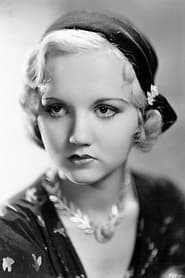
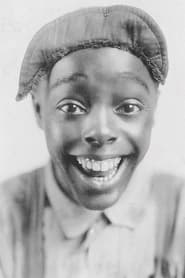

Big Business
"Clippers and close calls"
Keys: Space play/pause · ←/→ 10s · F fullscreen · M mute · </> speed
About this film
The kids are managing their own barber shop, with harrowing results. No one gets hurt, but most of the customers wind up bald or close to it: one kid even gets a prematurely fashionable Mohawk!
Cast & crew
More Comedy films
View all →






More from Robert F. McGowan
View all →

More about this film
About the production
Release dateJune 15, 1924
ProductionHal Roach Studios
Filmed inHal Roach Studios, Culver City, California
This was one of the early Our Gang shorts produced during the silent era, featuring the original cast members. The film was shot on location at the Hal Roach Studios lot, which was known for its comprehensive facilities that allowed for elaborate set constructions. The barber shop set was built specifically for this production and featured working (though modified for safety) barber equipment. The children worked with prop scissors and other tools that were specially blunted to ensure safety during filming.
Themes
Childhood entrepreneurshipThe comedy of incompetenceChildren imitating adultsThe gap between intention and resultVisual comedy through physical mishaps
Themes & topics
Historical background
Big Business reached screens around 1924, produced in its country of origin. Silent-era houses paired such titles with live music and newsreel bills.
Why this film matters
Researchers cite Big Business when tracing screen culture of its decade.
Making of
The production of this Our Gang short followed the typical Hal Roach Studios approach of the era, with director Robert F. McGowan encouraging natural performances from the child actors. The children were given basic scenarios and allowed to improvise much of their comedy, creating authentic reactions and timing. The barber equipment used on set was specially modified for safety, with scissors having dulled edges and razors being props. The film was shot in just a few days, as was typical for short subjects of this period. McGowan was known for his ability to work with child actors, creating an environment where they felt comfortable enough to deliver natural performances while still hitting their comedic marks. The close calls with scissors were carefully choreographed to create tension while ensuring the children's safety.
What critics said
Reviewers in 1924 weighed Big Business on clarity, pacing, and audience response rather than prestige status. No single canonical review dominates later reference works for the title.
Did you know?
- This was one of the earliest Our Gang shorts to focus on a business premise, a theme that would be revisited in later episodes
- The film was released during the peak popularity of the Our Gang series in the mid-1920s
- Jackie Condon, who appears in this short, was one of the few original gang members to appear in both the silent and sound eras of Our Gang
- The barber shop theme was particularly popular in silent comedies due to the visual comedy potential of scissors, razors, and hair cutting
- This short was produced during the period when Hal Roach Studios was becoming known as the 'Lot of Fun' due to their successful comedy productions
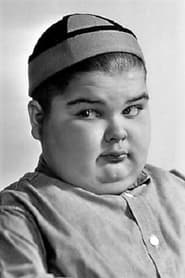
- The film showcases the early chemistry between Joe Cobb and Mickey Daniels, who would become especially beloved pairs in Our Gang history
- Like many silent Our Gang shorts, this film featured minimal intertitles, relying primarily on visual comedy
- The Mohawk haircut shown in the film was particularly unusual for the time period, making it especially shocking to 1920s audiences
Visual style
The cinematography for this silent short follows the standard practices of Hal Roach Studios comedies of the era, with clear, well-lit compositions designed to highlight the physical comedy. The camera work emphasizes the visual gags, particularly the close calls with scissors and the reactions of both the children and their customers. The barber shop set was filmed to maximize the spatial comedy potential, with multiple stations allowing for simultaneous action. The cinematographer employed medium shots to capture the children's full body movements and facial expressions, which were crucial for silent comedy. The lighting was bright and even, typical of indoor studio filming of the period.
Innovations
While not groundbreaking in technical terms, this short demonstrated the polished production values that Hal Roach Studios was known for in the mid-1920s. The film utilized effective editing techniques to pace the comedy, particularly in sequences showing multiple customers receiving disastrous haircuts simultaneously. The special effects were minimal but effective, focusing on practical gags with props. The production team's ability to create believable chaos while maintaining safety for the child actors was noteworthy for the period.
Music
As a silent film, Big Business would have been accompanied by live musical performance in theaters. The typical accompaniment would have included popular songs of the era, classical pieces, and specially composed cue music that enhanced the comedic moments. The music would have been synchronized with the action on screen, with frantic tunes during the chaotic barber scenes and softer melodies during quieter moments. No original score was recorded for the film, as was standard practice for silent shorts of this period.
Famous quotes
(Silent film - no dialogue, but notable intertitles would have included directions like 'The Kids Open a Barber Shop!' and 'Business is Booming!')
Memorable scenes
- The sequence where multiple customers are receiving disastrous haircuts simultaneously, with one child accidentally creating a Mohawk while another customer gets an extremely close shave with a razor
- The opening scene where the children enthusiastically set up their barber shop with makeshift equipment
- The manicurist scene where a child uses wire cutter-like tools on a customer's nails
- The final reveal of all the customers with their botched hairstyles
What audiences thought
The Our Gang shorts were consistently popular with audiences in the 1920s, and this film was well-received by theatergoers of the era. Children particularly enjoyed seeing other children on screen in comedic situations, while adults appreciated the clever visual gags and the nostalgic portrayal of childhood mischief. The barber shop premise was relatable to many viewers who had experienced or feared bad haircuts themselves. The film's success contributed to the continued demand for more Our Gang shorts throughout the decade.
Film connections
Influenced by
- Earlier Our Gang shorts
- General silent comedy traditions
- Charlie Chaplin's visual comedy style
- Harold Lloyd's situational comedy
- Buster Keaton's technical precision
This film influenced
- Later Our Gang shorts with business themes
- The Little Rascals television episodes
- Modern children's comedy films
- Other Hal Roach comedy shorts
Film restoration
This film is preserved through the efforts of various film archives and collectors. Many Our Gang shorts from this period have survived and are available through restoration projects. The film exists in 16mm and digital formats, having been preserved by institutions such as the Library of Congress and the Museum of Modern Art. Some prints may show signs of age but the film is considered to be in relatively good condition for a silent short of its era.
Where to watch
- The film is available in various Our Gang compilation collections
- Some public domain versions may be found on internet archive sites
- Included in complete Our Gang DVD box sets
- Available through classic film streaming services specializing in silent cinema
- Occasionally screened at film festivals and classic cinema events