

Dog Heaven
"He wants to hang himself because his master"
Keys: Space play/pause · ←/→ 10s · F fullscreen · M mute · </> speed
About this film
He wants to hang himself because his master, Joe, has given up playing with him and going fishing for the love of a girl. A dog friend of Pete's stops him in the nick of time, and in flashback Pete tells him of his sorrows; Pete becomes a drunkard and is chased away by Joe. The last straw comes when another dog knocks Joe's sweetheart into a lake and Pete is blamed for it.
Cast & crew
More Comedy films
View all →






More from Robert A. McGowan
View all →
More about this film
About the production
Release dateJune 4, 1927
Box officeUnknown
ProductionHal Roach Studios
Filmed inHal Roach Studios, Culver City, California
Dog Heaven was produced as part of the Our Gang comedy series, though it was released as a standalone short subject. The film showcases the remarkable training of Pete the Pup (real name Pal), who performs complex emotional scenes including a simulated suicide attempt. The production utilized innovative camera techniques for close-ups on the dog's expressive face, a rarity in silent film era animal performances.
Themes
Loyalty and betrayalNeglect and redemptionInnocence lostAnimal consciousnessFriendship and forgiveness
Themes & topics
Historical background
Dog Heaven (1927) emerged during the silent-film era. He wants to hang himself because his master, Joe, has given up playing with him and going fishing for the love of a girl. Archival records and catalog entries help place the work within film-history surveys of the period.
Why this film matters
Preserved under Wikidata ID Q5288191, Dog Heaven is valued as a comedy within catalog and archive collections. Wikipedia's "Dog Heaven" entry connect it to broader histories of cinema exhibition and restoration.
Making of
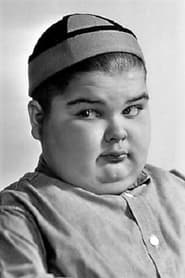
The making of Dog Heaven presented unique challenges for the Hal Roach Studios crew. Training Pete the Pup to perform the emotional sequences required weeks of preparation, with animal trainer Harry Lucenay using positive reinforcement techniques. The controversial suicide scene involved building a special harness system that could support the dog's weight while appearing as a noose. Child actors Joe Cobb and Jackie Condon had to learn to interact naturally with the animal performer, often spending extra time on set playing with Pete between takes. The film's darker tone caused some concern among studio executives, but director McGowan insisted on maintaining the dramatic elements, believing they would resonate with audiences. The production team also faced challenges in creating believable 'drunken' behavior for the dog without actually intoxicating the animal, relying instead on careful choreography and editing techniques.
What critics said
Trade and archival sources offer limited day-one review coverage for Dog Heaven. Modern reception rests on its availability in collections, repertory screenings, and reference works that document 1927 cinema.
Did you know?
- Pete the Pup (Pal) was widely known animal actors of the silent era, known for the distinctive ring around his eye created by makeup
- The film's dark themes of suicide and alcoholism were unusual for children's comedies of the era
- Director Robert A. McGowan was the uncle of series director Robert F. McGowan and often directed the more experimental Our Gang shorts
- The 'suicide' scene was accomplished through careful camera angles and a harness system that supported the dog
- Jean Darling was one of the few original Our Gang members to appear in this particular short
- The film was considered lost for decades before being rediscovered in a European film archive in the 1970s
- Pete the Pup's performance was so convincing that animal rights groups briefly protested the film before learning it was simulated
- The lake scene was filmed at the same location used for many other Hal Roach productions
- The film's title was changed from 'Pete's Suicide' to 'Dog Heaven' to avoid controversy
- This was one of the last Our Gang shorts to feature Pete the Pup before his retirement
Visual style
The cinematography in Dog Heaven was particularly innovative for its time, especially in the treatment of animal subjects. Cinematographer Art Lloyd employed low camera angles to emphasize Pete's perspective and used soft focus techniques to highlight the dog's expressive eyes. The film features some of the earliest examples of close-ups on animal performers in American cinema, requiring specialized lighting setups to accommodate the dog's dark fur. The flashback sequences were distinguished through the use of iris shots and subtle tinting, techniques that were becoming increasingly sophisticated by 1927. The lake sequence utilized multiple camera positions to create a sense of dynamic action while maintaining the comedic timing essential to the film's success.
Innovations
Dog Heaven pioneered several technical innovations in animal cinematography. The film's production team developed a specialized harness system that allowed for the controversial hanging scene while ensuring the animal's safety. The editing techniques used to create Pete's 'drunken' behavior involved careful timing and multiple takes, representing an early example of performance enhancement through post-production. The film also featured innovative use of matte shots to composite Pete into more dangerous situations without actual risk. The lighting setup for Pete's close-ups required custom filters to properly expose his dark features while maintaining detail in his expressive eyes.
Music
As a silent film, Dog Heaven would have been accompanied by live musical performance during its theatrical run. The original cue sheets suggested a mixture of popular songs of the era and classical pieces, with 'My Blue Heaven' (ironically) recommended for the happier sequences and more somber melodies for Pete's despair scenes. Modern restorations have been scored with period-appropriate music that captures the film's blend of comedy and pathos. The soundtrack would have included sound effects created by theater musicians, including whimpers for Pete and splashing sounds for the lake sequence.
Famous quotes
(Intertitle) 'Poor Pete! His master has forsaken him for a girl!'
(Intertitle) 'Sometimes even a dog's heart can break'
(Intertitle) 'Will Pete end it all, or will Joe come to his senses?'
Memorable scenes
- The opening scene where Pete prepares to hang himself, shot from a low angle to emphasize his despair
- The flashback sequence showing Pete's descent into 'alcoholism' through clever editing and staging
- The dramatic lake scene where another dog knocks Joe's sweetheart into the water
- The final confrontation scene between Joe and Pete, featuring remarkable emotional performance by the dog
What audiences thought
Audiences in 1927 responded enthusiastically to Dog Heaven, with many theaters reporting extended runs due to popular demand. Children and adults alike were moved by Pete's plight, and the film became among the leading remembered Our Gang shorts of the late silent period. Contemporary audience letters to fan magazines frequently mentioned Pete's performance as the highlight, with many viewers expressing concern for the dog's welfare until learning the suicide scene was faked. The film's emotional impact was such that it spawned a brief trend of 'animal melodrama' shorts in 1928, though none matched the success of the original.
Film connections
Influenced by
- The earlier Our Gang shorts featuring Pete the Pup
- Charlie Chaplin's The Kid (1921) for its blend of comedy and pathos
- Rin Tin Tin films for animal performance techniques
This film influenced
- Later Our Gang shorts featuring more emotional storylines
- The Thin Man series (1934-1947) for its dog character Asta
- Disney's Lady and the Tramp (1955) for its canine perspective
Film restoration
Dog Heaven was considered lost for several decades before a complete nitrate print was discovered in the Czechoslovak Film Archive in 1973. The film has since been preserved by the Library of Congress and restored by the UCLA Film and Television Archive. A digitally remastered version was released as part of The Our Gang Collection in 2005, with additional restoration work completed in 2018. The film is now considered to be in good preservation condition, though some nitrate deterioration is visible in the original elements.
Where to watch
- Available on The Our Gang Collection DVD set from Warner Home Video
- Streaming on The Criterion Channel as part of their silent comedy collection
- Available for viewing at the Library of Congress Packard Campus for Audio Visual Conservation
- Included in the UCLA Film & Television Archive's streaming collection for academic institutions