Films
7 films

About Pete the Dog
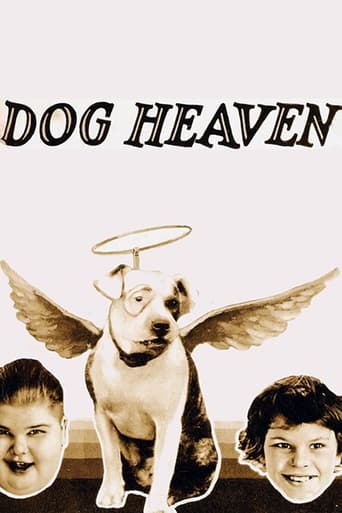
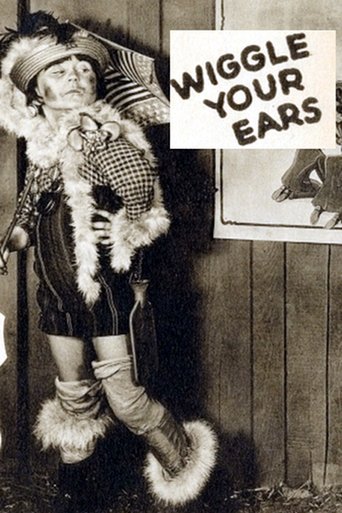
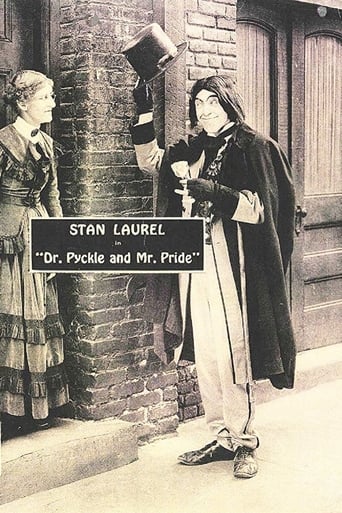
Canine actor who rose to prominence during the silent film era of the mid-1920s. His brief but notable from 1925 to 1929, during which he appeared in several comedy shorts that showcased his remarkable ability to perform tricks and express emotions on camera. Pete's most significant work included his roles in 'Dr. Pyckle and Mr. Pride' (1925), where he played alongside human actors in a parody of the famous Jekyll and Hyde story, demonstrating the growing trend of featuring animal performers in leading roles. His performance in 'Dog Heaven' (1927) further cemented his reputation as a reliable and talented animal actor, capable of carrying scenes with minimal human direction. The late 1920s saw him in 'Wiggle Your Ears' (1929), which was among his final film appearances as the industry transitioned from silent films to talkies. Like many animal actors of his era, Pete's career was relatively short-lived, but his contributions to early comedy cinema helped establish dogs as viable stars in Hollywood productions.
The Craft
On Screen
As a canine performer in the silent era, Pete specialized in physical comedy and trick performances that could be understood visually without dialogue. His acting relied on natural dog behaviors enhanced through training, including expressive facial movements, tail wagging, and trained responses to cues. Like other animal actors of his time, he likely worked with off-screen handlers who used hand signals and food rewards to elicit specific performances for the camera.
Milestones
- Starred in 'Dr. Pyckle and Mr. Pride' (1925)
- Leading role in 'Dog Heaven' (1927)
- Final appearance in 'Wiggle Your Ears' (1929)
- One of the notable canine actors of the silent era
Best Known For
Iconic Roles
Must-See Films
Working Relationships
Worked Often With
Studios
Why They Matter
Impact on Culture
Pete the Dog contributed to the early tradition of animal performers in cinema, helping establish dogs as reliable and entertaining actors during the silent film era. His appearances in comedy shorts demonstrated the commercial viability of animal-centered content, paving the way for more famous canine stars like Rin Tin Tin and Strongheart who would follow. While not as well-remembered as some of his contemporaries, Pete's work exemplifies the Hollywood industry's early recognition of animals' ability to connect with audiences through visual storytelling, a particularly important skill during the silent film period when performances relied entirely on physical expression.
Lasting Legacy
Though his career was brief and his films largely obscure today, Pete the Dog represents an important chapter in the history of animal actors in cinema. His work during the transition from the peak of silent film to the early talkie era demonstrates how animal performers adapted to changing technologies and audience expectations. The existence of canine actors like Pete helped establish the foundation for the animal talent industry that would become increasingly sophisticated in subsequent decades, influencing how animals are trained, treated, and featured in films to this day.
Who They Inspired
Pete the Dog's performances, while not extensively documented, likely influenced other animal trainers and filmmakers by demonstrating the commercial potential of canine actors in comedy shorts. His work contributed to the growing understanding that animals could be more than mere props or background elements, but could actually drive narratives and entertain audiences in their own right. This helped pave the way for more elaborate animal performances and the development of specialized training techniques that would benefit future generations of animal actors in Hollywood.
Off Screen
Limited information is available about Pete the Dog's personal life, which was common for animal actors of the silent era. As a working animal performer, he likely lived with his trainer or handler, who would have been responsible for his care, training, and transportation to film sets. Animal actors during this period were often treated as working animals rather than pets, though some developed close bonds with their human co-stars and handlers.
Did You Know?
- Appeared during the golden age of silent film comedy
- One of many canine actors who found work in Hollywood during the 1920s
- His active years covered the crucial transition period from silent films to talkies
- Animal actors like Pete were often more reliable than human actors for certain types of physical comedy
- Dogs were among the most popular animal actors in early Hollywood due to their trainability and audience appeal
- Silent era was particularly suited to animal performers who could communicate visually
- Many early animal actors, including Pete, worked primarily in short comedy films rather than features
- The 1920s saw a boom in animal actors as studios recognized their box office appeal
Frequently Asked Questions
Who was Pete the Dog?
Canine with credits in this catalog. Pyckle and Mr. Pride' (1925), 'Dog Heaven' (1927), and 'Wiggle Your Ears' (1929). He was part of the early wave of animal performers who helped establish dogs as viable stars in Hollywood productions.
What films is Pete the Dog best known for?
Titles linked here include Dr. Pyckle and Mr. Pride (1925), Dog Heaven (1927).
When was Pete the Dog active in films?
Pete the Dog's film active years covered from 1925 to 1929, covering the peak of the silent era and the beginning of the transition to sound films. This was a crucial period in cinema history when animal actors were becoming increasingly popular with audiences.
What was Pete the Dog's acting style?
As a silent era canine performer, Pete specialized in physical comedy and visual storytelling. His acting relied on natural dog behaviors enhanced through training, including expressive movements, tricks, and trained responses that could be understood by audiences without dialogue.
How did Pete the Dog influence cinema?
Pete the Dog contributed to establishing animal performers as viable entertainment in early Hollywood. His work helped demonstrate the commercial appeal of canine actors in comedy shorts, paving the way for more famous animal stars like Rin Tin Tin and influencing the development of the animal talent industry in film.