Dr. Pyckle and Mr. Pride
"Stan Laurel parodies Jekyll and Hyde"
Keys: Space play/pause · ←/→ 10s · F fullscreen · M mute · </> speed
About this film
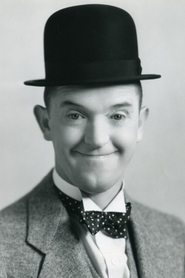
Stan Laurel before Laurel and Hardy, in this "Dr Jekyll and Mr Hyde"-inspired story, which was released 30 July 1925.
Cast & crew
More films like this
More Comedy films
View all →







More from Scott Pembroke
View all →
More about this film
About the production
Release dateJuly 30, 1925
Box officeBox office figures not recorded for this individual short film
ProductionJoe Rock Productions
Filmed inLos Angeles, California, Hollywood, California
This was one of several comedy shorts Stan Laurel made for producer Joe Rock before teaming with Oliver Hardy. The film was produced quickly on a tight schedule, typical of comedy shorts of the period. The transformation effects were achieved through simple camera tricks and editing techniques rather than sophisticated special effects. The title was deliberately misspelled ('Pyckle' instead of 'Jekyll') to avoid copyright issues while still making the parody clear to audiences.
Themes
Dual personalityTransformationScientific experimentationIdentity crisisParody
Themes & topics
Historical background
Made during the studio era of 1925, Dr. Pyckle and Mr. Pride reached audiences through theatrical programs, fairground booths, or specialized distribution channels typical of its generation. Stan Laurel before Laurel and Hardy, in this "Dr Jekyll and Mr Hyde"-inspired story, which was released 30 July. Historians now read such works for what they reveal about production methods, national taste, and the expanding vocabulary of screen narrative.
Why this film matters
Archivists and programmers still screen Dr. Pyckle and Mr. Pride when tracing how popular entertainment evolved. Its subject—stan laurel before laurel and hardy, in this "dr jekyll and mr hyde"-inspired story, which was—gives later viewers tangible evidence of what drew crowds in the silent period. Home video, restorations, and festival sidebars keep the title circulating among students of film history.
Making of
The production of Dr. Pyckle and Mr. Pride took place during a pivotal period in Stan Laurel's career when he was transitioning from being a supporting player to establishing himself as a comedy star. Producer Joe Rock had signed Laurel to a contract and was actively developing his screen persona through a series of short comedies. Director Scott Pembroke, who had extensive experience in comedy filmmaking, worked closely with Laurel to develop the physical gags and visual humor that would later become hallmarks of Laurel and Hardy films. The transformation scenes were shot using simple but effective techniques including jump cuts and costume changes filmed in rapid succession. The film was shot on a tight schedule, likely completing production in just 2-3 days, which was typical for comedy shorts of this era. The production team took advantage of existing sets and locations to keep costs down while maximizing visual variety.
What critics said
Original trade coverage treated Dr. Pyckle and Mr. Pride as routine program filler rather than a landmark production—typical of steady studio output. Later criticism emphasizes preservation, stylistic comparison with contemporaries, and whatever cast or crew names later gained prominence. Contemporary writing is mostly historical: assessing completeness, influence, and place in a director's or studio's catalog.
Did you know?
- This film was released before Stan Laurel's famous partnership with Oliver Hardy was established
- The title is a deliberate parody of 'Dr. Jekyll and Mr. Hyde' with misspellings to avoid copyright issues
- Director Scott Pembroke directed numerous Stan Laurel solo films before Laurel and Hardy became a team
- The film was produced by Joe Rock, who was instrumental in developing Stan Laurel's solo career
- This was one of over 40 solo comedy shorts Stan Laurel made between 1921 and 1926
- The transformation sequence used simple editing techniques rather than the more complex effects used in serious horror films of the era
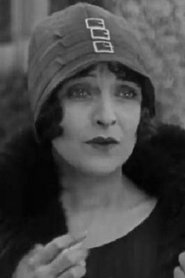
- Julie Leonard, the female lead, appeared in several other Laurel comedies during this period
- The film was part of a series of literary parodies that were popular in silent comedy
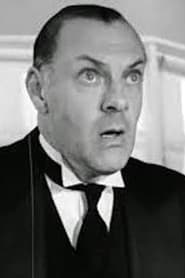
- Syd Crossley, who plays a supporting role, was a British comedian who worked in American films
- The film's running time of 20 minutes was standard for comedy shorts of the mid-1920s
Visual style
The cinematography by Walter Lundin utilized standard techniques for comedy shorts of the era, with clear, bright lighting to emphasize the visual gags and physical comedy. The camera work was straightforward, focusing on capturing Laurel's performance and the transformation sequences effectively. The film employed medium shots and close-ups to highlight facial expressions during the transformation scenes, a technique borrowed from the more serious horror adaptations of the Jekyll and Hyde story. The visual style was clean and simple, ensuring that the comedy remained the focus rather than elaborate cinematographic techniques.
Innovations
The film's main technical achievement was its creative use of simple editing techniques to create the transformation effects without the benefit of modern special effects. The production team used jump cuts, quick costume changes, and strategic camera placement to suggest the transformation from Dr. Pyckle to Mr. Pride. While not technically groundbreaking compared to the more sophisticated effects in serious horror films of the era, these techniques were effective for the comedy context and demonstrated the ingenuity of filmmakers working within the constraints of silent cinema technology.
Music
As a silent film, Dr. Pyckle and Mr. Pride would have been accompanied by live musical accompaniment during theatrical screenings. The score would typically have been provided by the theater's organist or pianist, using standard compilation music appropriate to the action on screen. For the transformation scenes, dramatic music would have been used for comedic contrast, while lighter, more whimsical music would accompany the slapstick sequences. No original composed score exists for this film, as was typical for comedy shorts of this period.
Famous quotes
(As silent film, dialogue was conveyed through intertitles. Specific intertitle texts from this film are not widely documented in available sources.)
Memorable scenes
- The transformation sequence where Stan Laurel changes from Dr. Pyckle to Mr. Pride using simple camera tricks and costume changes
- The scene where Mr. Pride causes chaos in a formal setting, contrasting with Dr. Pyckle's timid nature
- The final confrontation between the two personalities as they battle for control
What audiences thought
Audiences of 1925 generally received the film well, particularly enjoying Laurel's physical comedy and the familiar parody of a well-known story. The film performed adequately in theaters as part of comedy short programs, though it didn't achieve the lasting popularity of some other Laurel solo films. Modern audiences who have seen the film, primarily through film festival screenings and archive presentations, tend to view it with historical interest, appreciating it as a precursor to the more famous Laurel and Hardy comedies that would follow.
Film connections
Influenced by
- Dr. Jekyll and Mr. Hyde (1920 film)
- The Strange Case of Dr. Jekyll and Mr. Hyde (novel by Robert Louis Stevenson)
- Other silent comedy shorts of the era
This film influenced
- Later Laurel and Hardy transformation gags
- Various comedy films that parodied horror tropes
Film restoration
The film is believed to be partially preserved, though complete copies are rare. Some archives hold fragments or incomplete versions of the film. The Library of Congress and other film preservation organizations may hold elements of this film, but a fully restored, complete version is not widely available to the public. Like many silent comedy shorts, the film has suffered from the degradation common to nitrate film stock of the era.
Where to watch
- The film is not currently available on major streaming platforms
- Archival screenings at film museums and silent film festivals occasionally
- Some film archives may hold copies for research purposes
- Bootleg versions may circulate among silent film collectors
- Not commercially available on DVD or Blu-ray