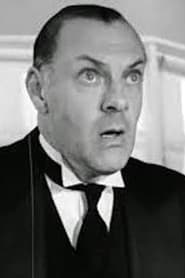
Syd Crossley
Actor
Born: November 18, 1885 in London, England Died: December 2, 1960 Active: 1925-1939 Birth Name: Sydney Crossley
Films
3 films
About Syd Crossley
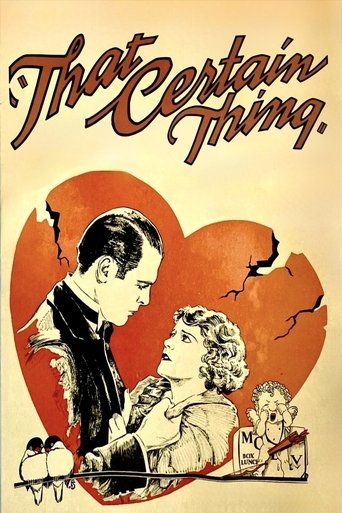
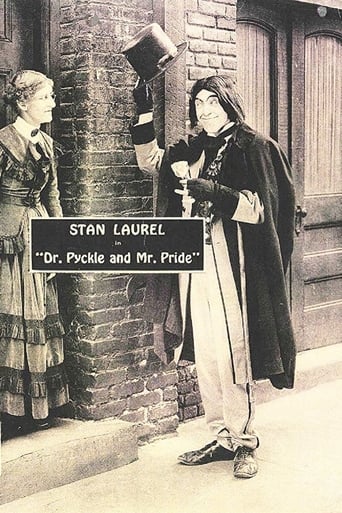
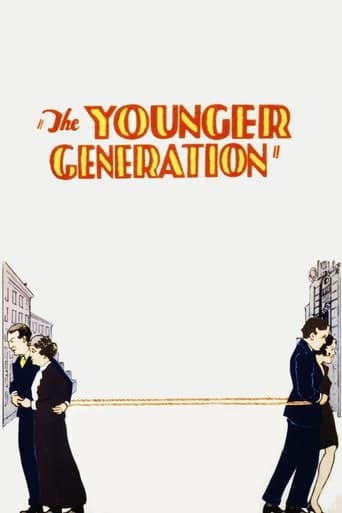
Syd Crossley, born Sydney Crossley, was a British character actor who found success during the silent film era of the 1920s. He began his acting career on the British stage before transitioning to motion pictures, where his distinctive appearance and versatile character work made him a reliable supporting player. Crossley worked extensively in both British and American cinema, often portraying authority figures, butlers, and various character roles that required his particular gravitas and timing. His most notable period of activity was between 1925 and 1929, during which he appeared in numerous silent productions including the parody film 'Dr. Pyckle and Mr. Pride' (1925), Frank Capra's early work 'That Certain Thing' (1928), and 'The Younger Generation' (1929). Like many character actors of his generation, Crossley's career declined with the advent of sound films, though he continued to appear in smaller roles throughout the 1930s. His contribution to silent cinema, while not leading man status, provided essential texture and authenticity to the ensemble casts of numerous productions from this transitional period in film history.
The Craft
On Screen
Crossley was known for his precise, theatrical acting style typical of stage actors transitioning to silent films. He possessed a commanding presence and expressive face that served him well in character roles, particularly as authority figures or servants. His performances were marked by clear, exaggerated gestures and facial expressions that conveyed emotion effectively without dialogue, a skill essential for silent film actors. Crossley had particular talent for comic timing and could switch between dramatic and comedic roles with ease.
Milestones
- Transition from British stage to silent films
- Appeared in over 50 silent films
- Worked with director Frank Capra
- Successfully made the transition to sound films in supporting roles
- Maintained steady employment through the Great Depression
Best Known For
Iconic Roles
Must-See Films
Working Relationships
Worked Often With
Studios
Why They Matter
Impact on Culture
Syd Crossley represents the working character actor who formed the backbone of silent cinema, providing essential support to leading players and helping to create the immersive worlds of early films. His career trajectory mirrors the challenges faced by many silent era actors who had to adapt to the coming of sound. Crossley's ability to work across British and American productions demonstrates the international nature of early cinema and the mobility of skilled character actors during this period. His performances, while not leading roles, contributed to the authenticity and depth of numerous films that have become part of cinema history.
Lasting Legacy
Syd Crossley's legacy lies in his contribution to the golden age of silent cinema as a reliable and versatile character actor. While not a household name, his work appears in numerous films that are studied by film historians and enthusiasts of early cinema. His ability to transition between British and American film industries exemplifies the interconnected nature of early Hollywood. Crossley's career shows the importance of character actors in creating memorable films, and his performances continue to be appreciated by scholars and fans of silent cinema who recognize the crucial role that supporting players played in the success of classic films.
Who They Inspired
As a character actor, Syd Crossley's influence was primarily through his craft rather than through mentoring or direct influence on other performers. His work in both British and American cinema helped establish standards for supporting performances in silent films. Crossley's ability to adapt to different genres and working styles demonstrated the versatility required of character actors, setting an example for future generations of supporting players. His successful transition from stage to film, and later from silent to sound films, provided a model for other actors facing similar industry changes.
Off Screen
Syd Crossley maintained a relatively private personal life away from the spotlight. He was married and had children, though specific details about his family life remain limited in historical records. Like many character actors of his era, he focused primarily on his craft rather than cultivating celebrity status. His later years were spent in London, where he remained connected to the entertainment community even as his film appearances diminished.
Education
Limited information available, likely received traditional British education with theatrical training
Family
- Information not publicly available
Did You Know?
- Born in London in 1885, making him part of the first generation of film actors
- Appeared in the parody film 'Dr. Pyckle and Mr. Pride' which spoofed the Dr. Jekyll and Mr. Hyde story
- Worked with legendary director Frank Capra in the early part of Capra's career
- His active years covered the crucial transition period from silent to sound films
- Like many British actors of his era, he worked in both British and American film industries
- Often played authority figures, possibly due to his appearance and bearing
- His filmography includes over 50 credits, though many were uncredited roles
- Continued acting well into the sound era, though in smaller roles
- Represented the type of reliable character actor that studios depended on for ensemble casts
- His final film appearances were in the late 1930s as the film industry continued to evolve
In Their Own Words
No documented famous quotes are available for Syd Crossley, as was common for character actors of his era
Frequently Asked Questions
Who was Syd Crossley?
British character with credits in this catalog. He appeared in numerous films in supporting roles, often playing authority figures, butlers, and various character parts in both British and American productions.
What films is Syd Crossley best known for?
Titles linked here include Dr. Pyckle and Mr. Pride (1925), That Certain Thing (1928).
When was Syd Crossley born and when did he die?
Born November 18, 1885; died December 2, 1960.
What awards did Syd Crossley win?
There are no documented major awards or nominations for Syd Crossley, which was common for character actors of his era who often worked without formal recognition despite their significant contributions to films.
What was Syd Crossley's acting style?
Crossley employed a theatrical, expressive acting style typical of stage actors transitioning to silent films. He was known for his clear gestures, expressive face, and ability to convey emotion effectively without dialogue, making him particularly effective in character roles.
Did Syd Crossley work in both British and American films?
Yes, Crossley worked in both British and American film industries, which was not uncommon for skilled British character actors during the 1920s and 1930s who could find work across different film markets.
How did Syd Crossley's career change with the advent of sound films?
Like many silent era actors, Crossley's leading opportunities decreased with the arrival of sound films, but he successfully transitioned to smaller supporting roles in the 1930s, demonstrating his adaptability as a character actor.