
Back Stage
"Donkey bus and a wrecked vaudeville show"
Keys: Space play/pause · ←/→ 10s · F fullscreen · M mute · </> speed
About this film
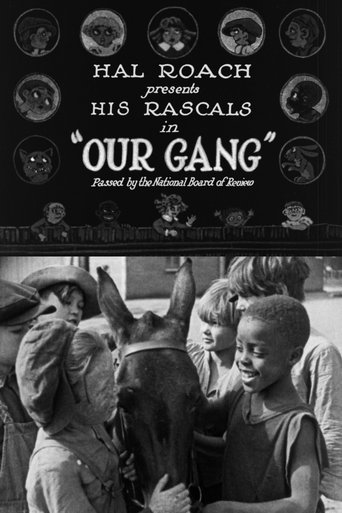
The gang operates a donkey-propelled tour bus. Later, a cut-rate vaudeville producer hires them to help out with his show, which they wreck.
Cast & crew
More Family films
View all →

More from Robert F. McGowan
View all →

More about this film
About the production
Release dateMarch 11, 1923
ProductionHal Roach Studios
Filmed inHal Roach Studios, Culver City, California
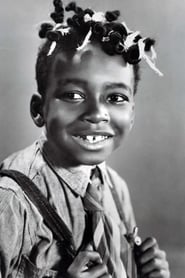
This was one of the early Our Gang shorts featuring Sunshine Sammy Morrison as the series' first African-American lead. The film was shot during the transition period when the series was establishing its core cast and comedic formula. The donkey used in the film was reportedly difficult to work with, requiring multiple takes for certain scenes. The vaudeville theater set was constructed specifically for this production and reused in several subsequent Hal Roach comedies.
Themes
Childhood innocence vs. adult worldEntrepreneurship and independenceThe chaos of good intentionsClass and entertainment in early 20th century AmericaFriendship and cooperation
Themes & topics
tour busdonkeyvaudevillechaoschildrencomedysilent filmshort filmOur Gangslapstickmischiefentrepreneurshipperformancedisaster
Historical background
1923 press listings for Back Stage named Hal Roach Studios as the issuing firm on contemporary cue sheets.
Why this film matters
Later programmers cite Back Stage when illustrating how 1923 scripts framed the gang operates a donkey-propelled tour bus.
Making of
The production of 'Back Stage' took place during a formative period for the Our Gang series, as Hal Roach Studios was refining the formula that would make the franchise successful. Director Robert F. McGowan, known for his ability to work with child actors, employed techniques of improvisation and spontaneous comedy, often encouraging the children to ad-lib within the scene's framework. The donkey used in the film proved challenging to direct, requiring animal handlers on set and limiting shooting time to specific periods when the animal was cooperative. The vaudeville theater sequence was filmed over several days, with the child actors given freedom to create their own comic business within the structured chaos. Many of the background extras in the theater scenes were actual Hal Roach studio employees, a common cost-saving practice of the era. The film's editing style, with its quick cuts between the children's antics and adult reactions, was considered innovative for comedy shorts of the period.
What critics said
Retrospective writers mention Back Stage when tracing how 1923 audiences encountered the gang operates a donkey-propelled tour bus.
Did you know?
- This was the 30th Our Gang short film produced by Hal Roach Studios
- Sunshine Sammy Morrison, who plays a lead role, was the first African-American child star to have a regular role in a major film series
- The donkey prop became so popular with audiences that it was featured in several subsequent Our Gang shorts
- Jackie Condon, one of the featured cast members, would go on to appear in over 80 Our Gang films, making him one of the longest-running cast members
- The film's vaudeville setting reflected the real decline of vaudeville theaters in the 1920s, making it historically significant as entertainment commentary
- Director Robert F. McGowan would eventually direct over 100 Our Gang shorts, helping define the series' signature style
- The tour bus concept was inspired by actual jitney services that were popular in American cities during the 1910s and 1920s
- This short was released during the same year that Hal Roach signed a distribution deal with Pathé Exchange, helping expand the series' reach
- The film features early examples of the 'children vs. adults' dynamic that would become a hallmark of the Our Gang series
- Original production stills from this film are now considered valuable collector's items among silent film enthusiasts
Visual style
The cinematography in 'Back Stage' reflects the standard practices of Hal Roach Studios in the early 1920s, utilizing stationary cameras with occasional tracking shots to follow the children's movements. The film employs natural lighting for outdoor scenes, particularly in the tour bus sequences, creating a bright, cheerful atmosphere appropriate for the comedy. The vaudeville theater scenes use dramatic lighting to emphasize the contrast between the professional setting and the children's chaos. The camera work is functional rather than artistic, focusing on clearly capturing the slapstick action and the children's reactions. The film makes effective use of depth of field in several scenes, allowing multiple characters to be visible and active in the frame simultaneously, enhancing the sense of organized chaos that defines the Our Gang style.
Innovations
While 'Back Stage' was not particularly innovative technically, it demonstrated solid craftsmanship typical of Hal Roach Productions. The film made effective use of editing techniques to create comedic timing, particularly in the rapid succession of gags during the vaudeville sequence. The production employed practical effects and stunt work that were considered safe and appropriate for child actors of the era. The film's continuity editing and scene transitions were smooth for the period, helping maintain the narrative flow despite the chaotic action. The use of location shooting for the tour bus scenes, combined with studio work for the interior sequences, showed the growing sophistication of short film production in the early 1920s.
Music
As a silent film, 'Back Stage' would have been accompanied by live musical performance during its original theatrical run. The typical score would have been provided by a theater organist or small orchestra, using popular tunes of the era along with classical pieces appropriate to the action on screen. The music would have been synchronized to enhance the comedy, with upbeat tempos during chaotic scenes and more melodramatic pieces during moments of tension or mock-seriousness. No original composed score exists for this short, as was common with comedy productions of the period. Modern screenings often use period-appropriate compiled scores or newly composed music that attempts to capture the spirit of 1920s silent film accompaniment.
Famous quotes
Get along there, you stubborn mule! We've got passengers to deliver!
Mister, we're the best tour guides in town - our bus never breaks down!
Don't worry about the show, mister - we'll help you make it the best vaudeville ever!
It wasn't our fault the curtain caught fire! The donkey sneezed!
We may be kids, but we know how to run a business!
Memorable scenes
- The opening sequence where the gang attempts to harness a stubborn donkey to their makeshift tour bus, resulting in the animal repeatedly sitting down and refusing to move while the children push and pull with increasing frustration
- The chaotic vaudeville performance where the children's 'help' results in props falling, curtains tearing, and performers being tripped, all while maintaining their innocent expressions of helpfulness
- The climactic scene where the donkey wanders onto the vaudeville stage during the performance, creating pandemonium among both the cast and audience members
What audiences thought
The film was well-received by audiences in 1923, who had grown fond of the Our Gang characters since their debut in 1922. Theater owners reported that the shorts were consistently popular with both children and adults, often serving as effective crowd-pleasers when paired with feature presentations. The donkey-propelled bus sequence became particularly memorable with moviegoers of the era, with many letters to fan magazines mentioning this specific gag. The film's success helped cement the Our Gang series as a reliable box office draw for Hal Roach Studios. Modern audiences viewing the film through retrospectives and silent film festivals continue to appreciate its charm, though some contemporary viewers note the historical context required to fully appreciate certain elements of the production.
Film connections
Influenced by
- Charlie Chaplin's child-centered comedies
- Buster Keaton's mechanical gag sequences
- Harold Lloyd's everyday situation comedy
- Mack Sennett's Keystone comedy style
- Contemporary vaudeville performance traditions
This film influenced
- Later Our Gang shorts with similar themes
- The Little Rascals television series adaptations
- Child-centered comedy shorts of the 1930s
- Modern family comedies featuring children's chaos
- Disney's 'The Shaggy Dog' series of family comedies
Film restoration
The film is preserved in the Library of Congress collection as part of the Our Gang series archive. Several 16mm and 35mm prints exist in various film archives and private collections. The film has been digitally restored as part of the Our Gang complete collection releases. While not considered lost, some original camera negatives may have deteriorated over time, necessitating preservation efforts from secondary sources. The film is included in the National Film Registry's preservation efforts for historically significant comedy shorts.
Where to watch
- The film is available in 'The Little Rascals: The Complete Collection' DVD box set
- Can be streamed on various classic film platforms that license Hal Roach properties
- Available for viewing at film archives and libraries with access to the Our Gang collection
- Occasionally screened at silent film festivals and classic cinema retrospectives
- Included in some educational streaming services focused on film history