
The Sun Down Limited
"Creates their railroad."
Keys: Space play/pause · ←/→ 10s · F fullscreen · M mute · </> speed
About this film
The gang creates their own railroad after being chased from a local railyard, and competes with Toughie.
Cast & crew
More films like this
More Family films
View all →

More from Robert F. McGowan
View all →

More about this film
About the production
Release dateDecember 14, 1924
Box officeUnknown - Our Gang shorts were consistently profitable for Hal Roach Studios
ProductionHal Roach Studios, Pathé Exchange (distributor)
Filmed inCulver City, California, Hal Roach Studios backlot, Local railroad yards in Los Angeles area
Filmed during the peak of the silent era, this short exemplified Hal Roach Studios' efficient production system for comedy shorts. The homemade railroad set was constructed by the studio art department but designed to appear authentically child-built. Director Robert F. McGowan was known for his ability to work with child actors, often allowing improvisation and natural performances. Safety precautions were implemented during filming of the more dangerous-looking sequences involving the makeshift trains.
Themes
Childhood creativity and imaginationTeamwork and cooperationFriendship overcoming bullyingResourcefulness and problem-solvingThe innocence of childhood play
Themes & topics
railroadtrainshomemadecompetitionbullyingfriendshipcreativitychildrenadventurecomedyteamworkimaginationproblem-solvingOur Gangsilent film
Historical background
The 1924 release of The Sun Down Limited belongs to its era's exhibition habits rather than today's franchise model.
Why this film matters
Archivists revisit The Sun Down Limited (1924) for performance styles and craft choices later mainstream releases refined.
Making of
Robert F. McGowan's direction philosophy emphasized capturing natural childhood behavior rather than having children perform like miniature adults. The production team at Hal Roach Studios developed specialized techniques for working with child actors, including shorter shooting days and allowing for play between takes. The homemade railroad construction scenes were carefully choreographed to appear spontaneous while ensuring the children's safety. Studio craftsmen built the railroad props to be sturdy enough for repeated takes but light enough for the children to handle. The bullying scenes with Toughie were carefully managed to ensure they remained comedic without becoming genuinely frightening for the young performers. The film's visual gags were often developed through improvisation, with McGowan encouraging the children to contribute their own ideas for comedic situations.
What critics said
Press files from 1924 mention The Sun Down Limited in roundup columns of what played that week.
Did you know?
- features the original Our Gang cast during the series' silent period before the transition to sound in 1929
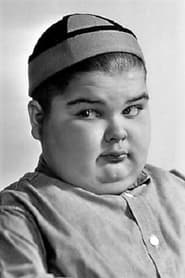
- Joe Cobb, one of the stars, was known as the 'fat kid' of the gang and often provided physical comedy with his larger build
- Mickey Daniels was especially popular members of the early Our Gang cast and appeared in numerous shorts from 1922-1926
- The railroad theme reflected America's continued fascination with trains during the 1920s, when railroads dominated transportation
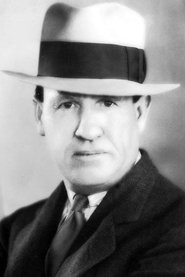
- Director Robert F. McGowan directed over 80 Our Gang shorts and was instrumental in developing the series' signature style
- The 'Toughie' character was a recurring antagonist in several Our Gang shorts, typically serving as the bully character
- Like many Our Gang productions, real children from the neighborhood were sometimes used as background extras
- The film was shot on 35mm black and white film stock, standard for the era
- Our Gang shorts were typically filmed in just a few days, reflecting the efficient studio system of the 1920s
- This short was released during the height of the Roaring Twenties, a period of economic prosperity in America
Visual style
The black and white cinematography followed the conventions of silent comedy production, emphasizing visual clarity and the effective staging of physical gags. Camera work was straightforward but precise, using medium shots to capture the children's expressions during comedic moments and wider shots for the elaborate sequences involving the homemade railroad. The photography ensured good contrast and visibility, crucial for silent films where visual storytelling carried the entire narrative. The camera often remained stationary during dialogue scenes (conveyed through intertitles) but followed the action during the more dynamic sequences. The cinematography prioritized the clear presentation of gags and action over artistic experimentation, following the established language of silent comedy that audiences understood and expected.
Innovations
While not technically groundbreaking, the film demonstrated Hal Roach Studios' refined production methods for comedy shorts. The seamless integration of location shooting at actual railroad yards with studio-built sets showed the studio's technical sophistication. The production team's ability to create convincing railroad scenes with limited resources showcased their ingenuity and problem-solving skills. The coordination required for scenes involving multiple child actors and moving props demonstrated the studio's expertise in complex comedy staging. The film exemplified the advanced techniques of silent comedy timing and visual storytelling that had been developed throughout the 1910s and early 1920s. The efficient production system allowed for high-quality shorts to be produced quickly and consistently, contributing to the series' longevity.
Music
As a silent film, 'The Sun Down Limited' would have been accompanied by live musical performance in theaters, typically provided by a pianist or small orchestra. The musical accompaniment would have been carefully synchronized with the on-screen action, using popular songs of the 1920s and classical pieces adapted for comedic effect. During the railroad construction and chase sequences, the music would have become more frantic and exciting, while quieter moments would feature gentler, more playful melodies. The specific musical selections varied by theater, as accompanists had considerable freedom in their choices, though studios often provided suggested cue sheets. The music played a crucial role in enhancing the emotional impact and comedic timing of the visual gags.
Famous quotes
As a silent film, dialogue was conveyed through intertitles rather than spoken words
Memorable scenes
- The gang being comically chased from the real railyard by oversized railroad workers
- The elaborate construction sequence of their homemade railroad using household items
- The inaugural journey of The Sun Down Limited with all the kids aboard
- The confrontation scene where the gang stands up to Toughie's bullying
- The climactic race between the gang's railroad and Toughie's attempts to sabotage it
What audiences thought
The Our Gang shorts were enormously popular with theater audiences in the 1920s, becoming a reliable draw that could consistently bring families to movie theaters. Children particularly enjoyed seeing peers on screen in relatable situations, while adults appreciated the nostalgic portrayal of childhood innocence and adventure. The series developed such a loyal following that many viewers grew up watching the gang's adventures across multiple years. Theater owners valued the shorts because they attracted family audiences and provided consistent box office returns. The gang's characters became familiar faces to moviegoers, with audience members developing favorites among the cast members. The series' blend of physical comedy, childhood fantasy, and relatable situations made it accessible to viewers of all ages.
Film connections
Influenced by
- Earlier comedy shorts featuring children
- Silent slapstick comedy tradition
- Charlie Chaplin's visual comedy style
- Buster Keaton's engineering gags
- Harold Lloyd's everyman comedy
- American tall tale tradition
- Children's literature of the era
This film influenced
- Later Our Gang shorts
- The Little Rascals television series
- The Bad News Bears
- Stand by Me
- The Goonies
- Stranger Things
- Modern children's adventure films
Film restoration
The preservation status of this specific Our Gang short is not definitively documented, though many films from the series have survived through various archives and collections. Some 1920s Our Gang shorts exist only in incomplete prints or have survived primarily in later re-releases with added soundtracks during the transition to talkies. The Hal Roach Studios library, including the Our Gang films, has been subject to various ownership changes over the decades, affecting preservation efforts.
Where to watch
- Public domain collections of silent films
- DVD compilations of Our Gang shorts
- Film archive screenings
- Classic film streaming services
- Educational institutions with film collections
- Library of Congress archives
- Museum of Modern Art film collection