War Feathers
"While on a cross-country train trip"
Keys: Space play/pause · ←/→ 10s · F fullscreen · M mute · </> speed
About this film
While on a cross-country train trip, the Our Gang kids drive the rest of the passengers crazy with a never-ending game of cowboys and Indians. During a stopover in the sleepy town of Red Dog, the kids disembark in hopes of savoring a taste of genuine Western life. They get more t.
Cast & crew
More films like this
More Comedy films
View all →







More from Robert A. McGowan
View all →
More about this film
About the production
Release dateJune 6, 1926
ProductionHal Roach Studios
Filmed inHal Roach Studios, Culver City, California
War Feathers was produced during the silent era of the Our Gang series, when the films were typically two-reel shorts running approximately 20-25 minutes. The film was part of the 1925-1926 season of Our Gang comedies, which were known for their naturalistic child performances and improvisational style. The western setting was created on the studio backlot, utilizing existing sets from other Hal Roach western productions. As with many Our Gang films of this period, the production relied heavily on the children's spontaneous reactions and improvisation rather than strictly scripted dialogue.
Themes
Childhood innocence vs. adult realityThe romanticization of the American WestThe power of imagination and playFriendship and group dynamicsComing of age through adventure
Themes & topics
train travelcowboysIndianswestern townbanditssheriffshowdownchildren's adventureplayimaginationdangerfriendshipcoming of agefrontier lifecomedysilent film
Historical background
Silent-era production in 1926 relied on intertitles, live accompaniment, and studio systems that were rapidly consolidating into national industries. Archival sources describe War Feathers as 1926 film. Contemporary context can be traced through sources such as the Wikipedia article on War Feathers.
Why this film matters
War Feathers remains part of the screen heritage of its era, offering evidence of prevailing genres, production methods, and audience tastes. Later revivals, archive screenings, and digitization have kept such titles accessible to researchers and dedicated viewers long after their first commercial runs.
Making of
The production of War Feathers followed the typical Hal Roach Studios approach to Our Gang films of the mid-1920s. Director Robert A. McGowan was known for his ability to work with child actors, often encouraging improvisation and capturing genuine reactions rather than forcing rigid performances. The western sequences were particularly challenging to film, as they required coordinating multiple child actors with horses, props, and elaborate costumes. The train scenes were shot on studio sets using forced perspective and background projection techniques to create the illusion of movement. Many of the gags and comedic moments were developed on set through the children's natural playfulness, with McGowan and his crew ready to capture spontaneous moments of humor. The film's bandit characters were played by regular Hal Roach supporting actors who specialized in western roles, bringing authentic frontier toughness to contrast with the children's innocent play.
What critics said
Trade and newspaper reviews from the silent period for War Feathers survive only in fragments, making precise reception history difficult to reconstruct. Modern assessment tends to emphasize historical value, craft, and cultural context rather than box-office performance.
Did you know?
- War Feathers is one of the earliest Our Gang films to feature a western theme, a genre that would become popular in later entries of the series.
- The film was released during the peak popularity of silent westerns in Hollywood, capitalizing on the public's fascination with cowboy stories.
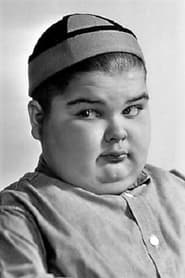
- Joe Cobb, one of the featured cast members, was one of the original Our Gang members and appeared in numerous shorts throughout the 1920s.
- Director Robert A. McGowan was the uncle of series creator Hal Roach and directed many of the early Our Gang films.
- The title 'War Feathers' refers to both the Native American headdresses the children use in their games and the escalating 'war' between the gang and the train passengers.
- Like many silent films of the era, War Feathers was likely tinted in specific colors for certain scenes, a common practice to enhance mood and atmosphere.
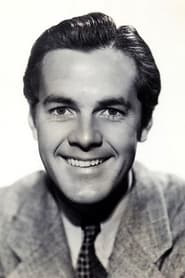
- The film showcases the early chemistry between Jackie Condon and Johnny Downs, who would become regular fixtures in the series during this period.
- The train scenes were filmed using a process called 'process photography,' where background footage was projected behind the actors to simulate movement.
- The town of 'Red Dog' was a fictional western set that appeared in multiple Hal Roach productions of the 1920s.
- This film represents one of the few times the Our Gang kids interacted with adult criminals in a serious storyline, rather than just comical antagonists.
Visual style
The cinematography in War Feathers reflects the technical standards and artistic approaches of mid-1920s silent comedy production. The film was likely shot by a Hal Roach Studios staff cinematographer using the standard 35mm film format of the era. The visual style emphasizes clarity and composition, with careful attention to framing that allows the physical comedy and child performances to read clearly. The train sequences would have employed innovative techniques of the period, including process photography and carefully choreographed movement to create the illusion of travel. The western scenes utilize natural lighting when possible, with the dusty town sets designed to photograph well in the bright California sun that was a major draw for early Hollywood production. The camera work is relatively static by modern standards, as was typical of the era, but includes strategic movement to follow the action sequences and highlight key comedic moments. The film's visual storytelling relies on expressive performances and clear spatial relationships rather than rapid editing or complex camera movements.
Innovations
While War Feathers was not a groundbreaking technical achievement by 1926 standards, it demonstrated several important techniques common to quality silent comedy production. The film employed effective use of process photography for the train sequences, projecting moving background footage to create the illusion of travel while maintaining control over lighting and sound conditions on the studio set. The western action sequences required careful coordination between multiple child actors, horses, and stunt performers, demonstrating the studio's expertise in managing complex physical comedy sequences. The film likely utilized multiple camera setups for key scenes, allowing for better coverage and editing options in post-production. The makeup and costume design for the children's cowboy and Indian play represented the studio's ability to create convincing visual transformations while maintaining the performers' comfort and mobility. The preservation of naturalistic child performances in a controlled studio environment was itself a significant technical achievement, requiring patience, improvisation, and innovative directing techniques that would influence children's filmmaking for decades to come.
Music
As a silent film, War Feathers did not have an original synchronized soundtrack but would have been accompanied by live musical performance during theatrical exhibition. The typical theater presentation would have featured a pianist or small orchestra providing background music and sound effects appropriate to the on-screen action. For the western sequences, the music would have included popular cowboy songs of the era, such as 'Red River Valley' or 'Home on the Range,' along with dramatic orchestral pieces for the confrontation scenes. The train travel sequences would have been accompanied by rhythmic, chugging musical patterns to simulate the motion of the train. The comedic moments would have been highlighted with playful, upbeat tunes, while moments of tension or danger would have used more dramatic, minor-key compositions. The musical accompaniment was crucial to silent film presentation, providing emotional context and narrative clarity that modern viewers take for granted in sound films. Theater musicians of the 1920s were skilled at improvising appropriate music and often compiled custom scores from published photoplay music collections.
Famous quotes
As a silent film, War Feathers contains no spoken dialogue quotes. The film's humor and storytelling rely entirely on visual comedy, pantomime, and intertitle cards that would have contained brief narrative explanations rather than memorable dialogue.
Memorable scenes
- The opening sequence on the train where the gang's cowboys and Indians game increasingly annoys the other passengers, culminating in chaos that spills into the aisles. The scene masterfully establishes the children's boundless energy and imagination while setting up the conflict between childhood play and adult expectations. The arrival in Red Dog town, where the children step off the train into what appears to be their western fantasy come to life, their eyes wide with wonder as they encounter dusty streets, saloons, and authentic-looking cowboys. The climactic showdown sequence where the real bandits confront the sheriff, with the Our Gang kids caught in the middle, their playful western game suddenly transformed into genuine danger, creating a perfect blend of comedy and tension as the children must navigate between childhood fantasy and adult reality.
What audiences thought
Audiences in 1926 responded enthusiastically to War Feathers, as they did to most Our Gang releases during this period. The series had developed a devoted following among both children and adults, who appreciated the films' humor, warmth, and relatable depiction of childhood adventures. Movie theater owners regularly reported strong attendance for Our Gang shorts, with many families making special trips to see the latest installment featuring their favorite young performers. The western theme of War Feathers likely proved particularly appealing to young audiences of the 1920s, who were captivated by cowboy stories and frontier adventures. The film's blend of childhood play with genuine danger and excitement resonated with viewers, offering the perfect balance of comedy and mild thrills suitable for family viewing. Letters and fan mail from the period suggest that audiences developed strong attachments to the young performers, following their appearances from film to film and celebrating their growing skills and changing personalities.
Film connections
Influenced by
- Earlier Our Gang films
- Contemporary western films starring Tom Mix and William S. Hart
- The tradition of child comedy in silent cinema
- American frontier mythology and literature
- Vaudeville comedy traditions
- The growing genre of children's entertainment in cinema
This film influenced
- Later Our Gang western-themed shorts
- The Little Rascals sound films of the 1930s
- Children's adventure films of the 1930s and 1940s
- Television children's programming of the 1950s
- Modern family adventure comedies
Film restoration
War Feathers is believed to survive in film archives, though its preservation status may be incomplete. Many Our Gang silent films have survived through various means, including original negatives, distribution prints, and later compilation versions. The film likely exists in the collections of major film archives such as the Library of Congress, the Museum of Modern Art, or the UCLA Film & Television Archive. Some silent Our Gang shorts have been preserved on 16mm reduction prints that were distributed to smaller theaters and schools in the 1930s and 1940s. The film may also survive in the Hal Roach Studios collection, which was eventually acquired by other companies. However, like many silent films, War Feathers may exist only in incomplete or deteriorated condition, requiring restoration work to be fully appreciated by modern audiences. The survival rate for Our Gang silent films is relatively high compared to other series of the era, due to their enduring popularity and the efforts of preservationists who recognized their historical and cultural significance.
Where to watch
- War Feathers and other Our Gang silent shorts are occasionally screened at film festivals specializing in silent cinema and classic comedy. The film may be available through specialized DVD collections of Our Gang silent films released by companies like Kino Lorber or The Criterion Collection. Some public domain versions of Our Gang films circulate online, though quality varies significantly. The film might be accessible through film archive streaming services or educational platforms that specialize in classic cinema. Film societies and classic movie theaters sometimes program War Feathers as part of silent comedy retrospectives or Our Gang marathons. The best way to view the film would be through properly restored versions shown with appropriate musical accompaniment at archival screenings or on high-quality home video releases that respect the original aspect ratio and presentation format of silent cinema.