Films
5 films
About Clifton Young
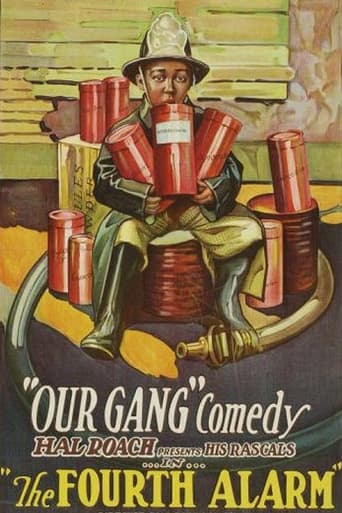
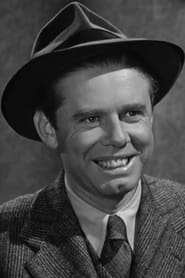
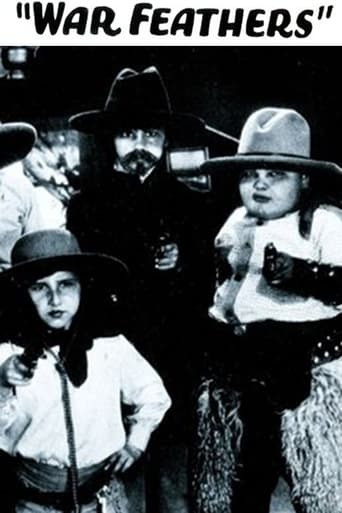
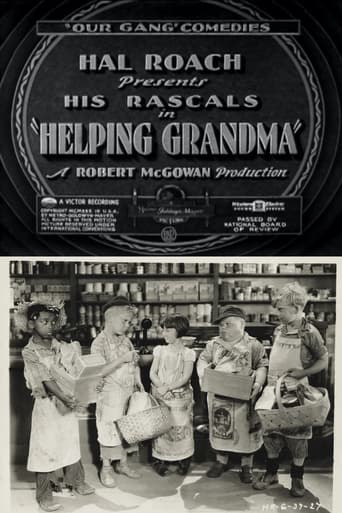
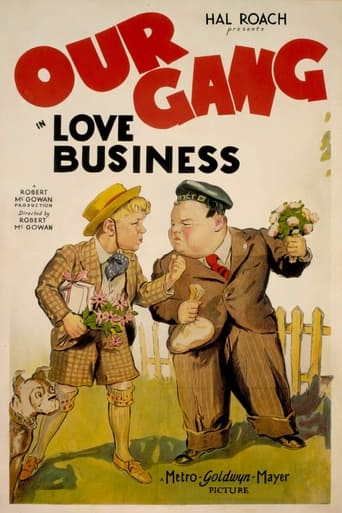
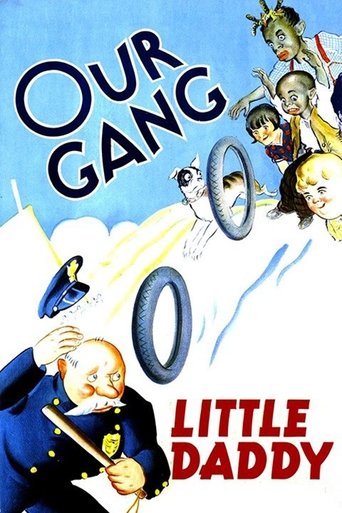
Child actor of the silent and early sound eras who worked in Hollywood during the late 1920s and early 1930s. He is Clifton Young appeared in films such as The Fourth Alarm (1926), War Feathers (1926), Helping Grandma (1931), Love Business (1931), and Little Daddy (1931), placing his screen career squarely in the transition from silent pictures to talkies. Available film records suggest that he was active primarily as a juvenile performer rather than as a long-term adult star, which was common for many children who appeared regularly in short subjects and comedy vehicles of the period. Because documentation on many child players from this era is sparse, much of his life outside of film credits is not well recorded in standard reference sources. His screen work belongs to the broader tradition of studio-era juvenile performers who added family appeal and comic energy to shorts and supporting features. While he did not become a major marquee name, his credits connect him to the bustling world of early Hollywood production and the popular entertainment styles of the late silent and early sound years. His career is a reminder of how many young performers contributed to the texture of classic cinema even when they left only a limited archival footprint.
The Craft
On Screen
As a juvenile performer, Clifton Young likely relied on the natural, expressive style common to child actors in silent and early sound films, using facial expression, physical comedy, and direct emotional clarity rather than complex verbal characterization. His credited appearances suggest he was used in light comic or family-oriented roles where charm, energy, and responsiveness to adult leads mattered more than star persona. Because surviving documentation is limited, no detailed performance analysis can be made with confidence beyond the conventions of the era in which he worked.
Milestones
- Appeared in silent-era comedy and family pictures during the late 1920s
- Worked steadily through the transition into early sound cinema
- Received credited screen roles in The Fourth Alarm and War Feathers in 1926
- Continued appearing in early talkies such as Helping Grandma, Love Business, and Little Daddy in 1931
- Represents one of the many juvenile performers whose work helped shape studio-era short subjects and supporting features
Best Known For
Iconic Roles
Must-See Films
Working Relationships
Worked Often With
Studios
Why They Matter
Impact on Culture
Clifton Young's cultural significance lies less in individual stardom than in what his career represents within early Hollywood. Child actors were an essential part of the silent and early sound studio system, especially in shorts, family comedies, and broad entertainment designed for mixed-age audiences. His credits illustrate the presence of young performers in transitional-era cinema, when film companies were adapting storytelling, pacing, and performance styles to sound. For historians, actors like Young help illuminate how studio filmmaking depended on a large pool of part-time and juvenile performers whose work often went unheralded. Even when the historical record is thin, these names are important for understanding the breadth of classic cinema production.
Lasting Legacy
His legacy is primarily archival and historical: he is one of the many child performers whose name survives through film credits even though biographical detail is scarce. For researchers, his work provides evidence of the kinds of roles given to young actors in late silent shorts and early talkies. He stands as part of the forgotten supporting fabric of classic Hollywood, where many performers contributed to the industry without becoming long-term celebrities. That obscurity itself is meaningful, reflecting how much of early film history has been preserved unevenly. His surviving credits ensure that he remains part of the documented personnel of American cinema's transitional years.
Who They Inspired
There is no documented evidence that Clifton Young directly mentored or significantly influenced later actors or directors. His influence is best understood indirectly, as part of the collective tradition of child performers whose screen presence helped establish conventions for juvenile roles in comedy and family entertainment. The cumulative impact of performers like him shaped audience expectations for child characters in studio-era films, especially in light comedic settings. In that broader sense, he contributed to the performance vocabulary of early Hollywood even if he did not become a widely cited individual influence.
Off Screen
There is very little reliably documented public information about Clifton Young's personal life in standard film reference material. His birth details, family background, marriage history, and later life are not readily established from commonly accessible classic-cinema sources. This lack of detail is typical of many child actors from the silent and early sound periods, especially those who did not remain prominent into adulthood. Based on available records, he appears to have maintained a low public profile outside his screen credits.
Education
No reliable public information about his education has been found in standard classic-cinema references.
Did You Know?
- Clifton Young's known film activity falls entirely within the late silent and early sound transition period.
- He is Clifton Young appeared in both 1926 and 1931 productions, showing a span that bridged major changes in film technology and style.
- His surviving credits suggest he was likely a child or very young performer during his screen appearances.
- He appears to have worked mainly in light entertainment rather than prestige dramas.
- Unlike some child stars of the era, he did not develop a widely documented adult screen career under this name.
- Biographical details such as birth date, birthplace, and family background are not clearly established in standard sources.
- His filmography is useful to historians studying lesser-known juvenile performers in early Hollywood.
- The scarcity of information about him is typical of many minor players from the silent era, whose work survives more clearly than their personal histories.
Frequently Asked Questions
Who was Clifton Young?
Child with credits in this catalog. He is best known through a small set of credited film appearances in the 1920s and early 1930s. Because records about him are limited, he is remembered mainly as a minor but authentic part of classic Hollywood's juvenile performer tradition.
What films is Clifton Young best known for?
Titles linked here include The Fourth Alarm (1926), War Feathers (1926).
When was Clifton Young born and when did he die?
Reliable public reference sources accessible for this profile do not clearly establish his birth or death dates. His exact birthplace is also not readily documented in standard classic-cinema references. As a result, those personal details should be treated as currently unavailable rather than assumed.
What awards did Clifton Young win?
No major awards or nominations are known for Clifton Young. He appears to have been a working child performer rather than a decorated star. The historical significance of his career lies in his credited screen appearances rather than in formal industry honors.
What was Clifton Young's acting style?
As a child performer in silent and early sound films, his style would have depended on expressive facial acting, physical presence, and simple, readable reactions. Child actors of the period were often valued for charm, spontaneity, and comic timing more than for elaborate dialogue-driven characterization. His surviving credits suggest he fit comfortably into that style of performance.
What is Clifton Young's legacy in film history?
His legacy is primarily that of a documented but little-known participant in classic Hollywood. He represents the many juvenile actors whose work supported the studio system's shorts, comedies, and family films. For film historians, names like his help preserve a fuller picture of the era beyond the biggest stars.