
Love Business
"Jackie's crush on teacher Miss Crabtree"
Keys: Space play/pause · ←/→ 10s · F fullscreen · M mute · </> speed
About this film
Miss Crabtree, the teacher Jackie has a crush on, rents a room at Jackie's house.
Cast & crew
More films like this
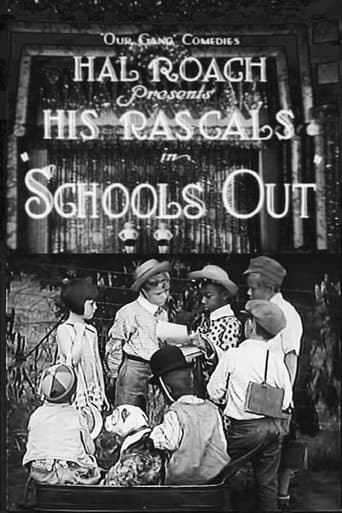
More Comedy films
View all →







More from Robert F. McGowan
View all →

More about this film
About the production
Release dateFebruary 14, 1931
BudgetApproximately $30,000 (Estimated for Our Gang shorts of this era)
ProductionHal Roach Studios, Metro-Goldwyn-Mayer (MGM)
Filmed inHal Roach Studios - 8822 Washington Blvd, Culver City, California, USA
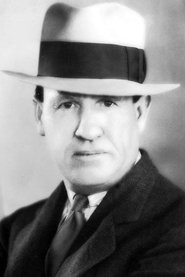
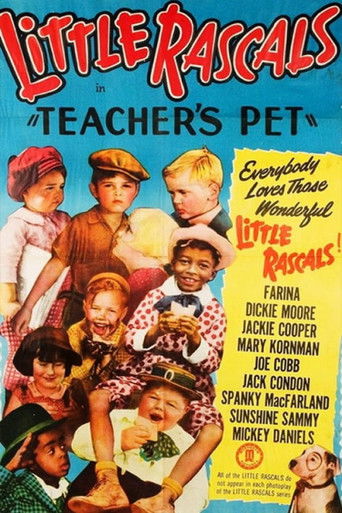
Directed by Robert F. McGowan, this was the 104th entry in the 'Our Gang' series and the 16th 'talkie' short. The film is the third and final installment of the 'Miss Crabtree trilogy,' which began with 'Teacher's Pet' and 'School's Out.' During production, Jackie Cooper was already becoming a breakout star; shortly after filming, he was loaned to Paramount for the feature film 'Skippy,' which led to his departure from the series. The production utilized the standard Hal Roach method of 'natural' acting, where McGowan would explain the scene's emotions to the children rather than forcing them to memorize rigid scripts.
Themes
Childhood InfatuationSibling RivalryThe Loss of InnocenceSocial Etiquette vs. Natural BehaviorClassroom Dynamics
Themes & topics
school teacherchildhood crushpoetrydinner partymothballsrivalryboarding house1930sOur Gang
Historical background
Made during the silent-to-sound transition near 1931, Love Business reached audiences through theatrical programs, fairground booths, or specialized distribution channels typical of its generation. Miss Crabtree, the teacher Jackie has a crush on, rents a room at Jackie's. Historians now read such works for what they reveal about production methods, national taste, and the expanding vocabulary of screen narrative.
Why this film matters
Archivists and programmers still screen Love Business when tracing how popular entertainment evolved. Its subject—miss crabtree, the teacher jackie has a crush on, rents a room at jackie's—gives later viewers tangible evidence of what drew crowds in its day. Home video, restorations, and festival sidebars keep the title circulating among students of film history.
Making of
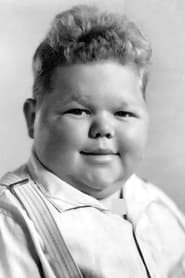
Director Robert F. McGowan was known for his immense patience with the child actors, often spending hours playing with them to build trust before filming. For the scene where Chubby recites poetry, McGowan encouraged Norman Chaney to be as melodramatic as possible to parody the 'Latin Lover' tropes popular in silent films. The production faced minor delays because the children kept laughing at Dorothy DeBorba's 'echoing' of Chubby's lines. Additionally, the technical crew had to carefully hide microphones in flower vases and furniture, as early sound technology was still cumbersome and restricted the children's natural movements.
What critics said
Original trade coverage treated Love Business as routine program filler rather than a landmark production—typical of steady studio output. Later criticism emphasizes preservation, stylistic comparison with contemporaries, and whatever cast or crew names later gained prominence. Contemporary writing is mostly historical: assessing completeness, influence, and place in a director's or studio's catalog.
Did you know?
- Released appropriately on Valentine's Day, 1931.
- Chubby (Norman Chaney) practices his kissing technique on a life-size cardboard cutout of Greta Garbo in front of a movie theater.
- The romantic poetry Chubby recites was actually taken from old love letters belonging to Wheezer's mother.
- This was one of the final appearances of Norman 'Chubby' Chaney, who left the series later that year due to health issues.
- The character 'Echo' (Dorothy DeBorba) earned her nickname in this short by repeating everything Chubby says during his poetry rehearsal.
- The film features a cameo of a photo of Hal Roach stars Charley Chase and Thelma Todd in a romantic embrace.
- Jackie Cooper's salary during this production was $100 a week, despite Roach receiving $25,000 for his loan-out to Paramount.
- The 'Miss Crabtree' character was so popular that actress June Marlowe received thousands of fan letters from both children and adults.
- The soup-tasting scene involved actual mothballs (or props mimicking them) to elicit genuine disgusted reactions from the child actors.
- This short marks the transition point where the series moved from Pathé distribution to a more polished MGM style.
Awards & recognition
- National Film Registry (Nominated/Under Consideration)
Visual style
Shot by Art Lloyd, the film uses a standard three-camera setup typical of Hal Roach productions to capture multiple angles of the children's improvisations. The lighting is bright and high-key, emphasizing the domestic warmth of Jackie's home. Notable shots include the close-ups of Chubby's expressive face as he 'woos' the Garbo poster, utilizing the 'Kuleshov effect' to contrast his passion with the static cardboard.
Innovations
One of the early successful uses of 'synchronized dialogue' with a large group of children. The film also successfully integrated 'off-screen' sound effects to enhance the comedy, such as the sound of the 'monkey wrench' hitting Jackie's father, which occurs out of frame but is described by the children.
Music
The film features the iconic 'Good Old Days' theme song by Leroy Shield. The score is primarily composed of jaunty, orchestral incidental music that accentuates the physical comedy. Sound engineer Elmer Raguse had to manage the challenges of recording multiple children's voices simultaneously, which was a significant technical feat for 1931.
Famous quotes
Chubby: 'Don't call me Norman. Call me Chubsy-Ubsy.'
Jackie: 'I'm not just love-sick, I'm a whole epidemic!'
Stymie: 'My mama put gasoline on my head!'
Chubby: 'My heart is filled with joy! I want to rip my pants!'
Jackie: 'When Miss Crabtree pats you on the head, you get all shivery inside... that's the way I feel when my mama gives me castor oil.'
Memorable scenes
- The 'Chubsy-Ubsy' scene where Chubby practices his romantic advances on a Greta Garbo cutout while Dorothy echos his words from behind a pillar.
- The dinner scene where the family and Miss Crabtree attempt to eat soup that has been tainted by mothballs, leading to a series of spit-takes and grimaces.
- The opening sequence where Jackie is seen kissing his brother Wheezer in his sleep, dreaming that he is kissing Miss Crabtree.
What audiences thought
Audiences in 1931 adored the film, particularly the 'Chubsy-Ubsy' sequence, which often resulted in theater-wide laughter. It was a staple of Saturday matinees for decades and gained a second life in the 1950s and 60s through the 'Little Rascals' television syndication package. It is frequently cited by fans as one of their top five favorite shorts in the entire 221-episode run.
Film connections
Influenced by
- The 'Penrod' stories by Booth Tarkington
- Greta Garbo's romantic dramas (parodied)
- Early silent slapstick comedies
This film influenced
- The Little Rascals (1994)
- A Christmas Story (1983)
- The Wonder Years (TV Series)
Film restoration
The film has been meticulously restored by ClassicFlix from the original 35mm nitrate elements. It is preserved in the Hal Roach Studios archives and is widely available in high-definition formats.
Where to watch
- The Little Rascals: The ClassicFlix Restorations, Volume 2 (Blu-ray/DVD)
- Amazon Prime Video (included in various Little Rascals collections)
- YouTube (Official Hal Roach/Little Rascals Channel)