Dorothy DeBorba
Actor
Born: March 28, 1925 in Los Angeles, California, USA Died: June 2, 2010 Active: 1930-1933 Birth Name: Dorothy Adelle DeBorba
Films
7 films
About Dorothy DeBorba
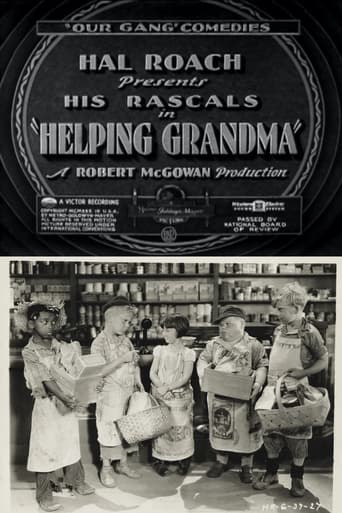
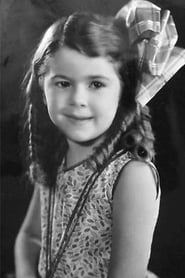
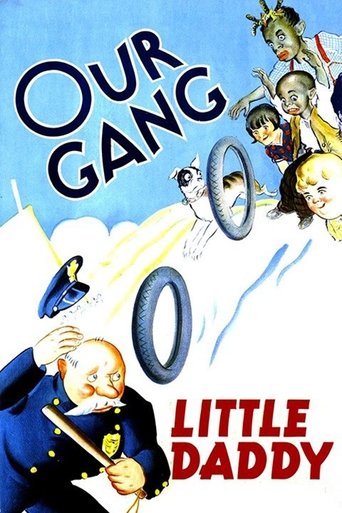
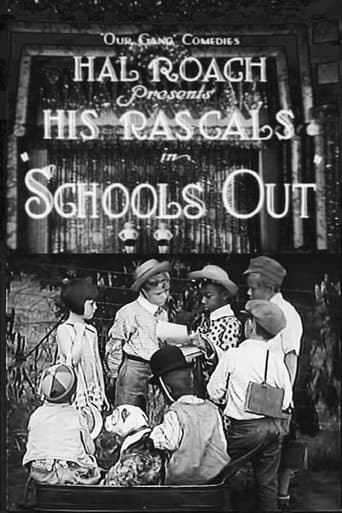
Prominent child actress of the early sound era, best known for her three-year tenure as a leading lady in Hal Roach's 'Our Gang' (Little Rascals) comedies. Born into a show business family, she began her career at the age of five when she was handpicked by Hal Roach for her unique ability to cry on cue and her naturally curly 'sausage' ringlets. During her time with the gang, she earned the nickname 'Echo' because of her character's habit of repeating the older boys' lines, a comedic device that became her trademark. She transitioned from a background player to a series regular, appearing in 24 shorts alongside characters like Jackie Cooper, Stymie Beard, and Chubby Chaney. Despite her immense popularity and natural comedic timing, her film career effectively ended when she outgrew her role in the series, leading her to transition into a stable life outside of the Hollywood spotlight. In her later years, she became a beloved figure at 'Sons of the Desert' conventions, where she shared warm memories of her time at the Roach studios and maintained a deep connection with the fans of the classic series.
The Craft
On Screen
Dorothy was known for her naturalistic and unforced acting style, which Hal Roach preferred over the 'stage brat' performances common in the 1930s. She possessed a remarkable ability to deliver lines with a deadpan innocence, often serving as the 'straight man' to the more boisterous boys. Her signature technique involved the 'echo' effect, where she would repeat the last few words of a sentence spoken by another character with perfect comedic timing. She was also highly regarded for her ability to cry convincingly on command, a skill that secured her initial audition success.
Milestones
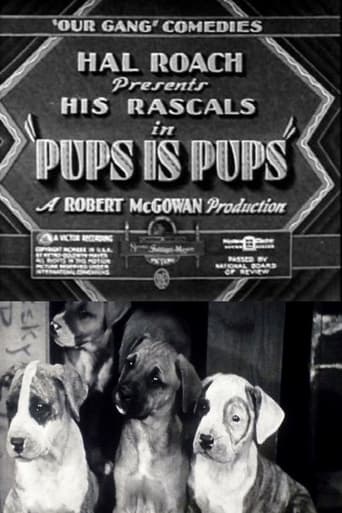
- Debuted in the Our Gang series in the short 'Pups Is Pups' (1930), which is often cited as one of the best in the series.
- Became a series regular in 1930, filling the void for a leading female child star after the departure of Mary Ann Jackson.
- Developed the 'Echo' persona, a unique comedic gimmick where she mimicked the dialogue of the older boys.
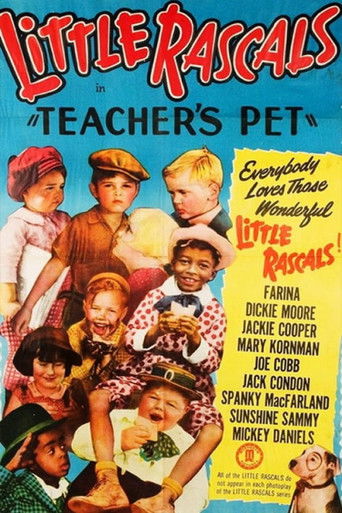
- Appeared in 'Teacher's Pet' (1930),.
- Maintained a consistent presence in 24 Our Gang shorts during the crucial transition period from early talkies to more sophisticated sound production.
Best Known For
Iconic Roles
Must-See Films
Accolades
Won
- Young Artist Former Child Star 'Lifetime Achievement' Award (1994)
Special Recognition
- Honorary member of the 'Sons of the Desert' (The International Laurel and Hardy Appreciation Society)
- Recognized as a 'Living Legend' of the Hal Roach Studios during various 1980s and 1990s retrospectives
Working Relationships
Worked Often With
Studios
Why They Matter
Impact on Culture
As one of the few prominent female leads in the 'Our Gang' series during the early 1930s, Dorothy DeBorba helped define the 'tomboy' archetype that allowed girls to participate in the rough-and-tumble play usually reserved for boys in cinema. Her 'Echo' character became a cultural touchstone for 1930s audiences, representing the innocence and unintentional humor of early childhood. She was part of a cast that broke racial barriers by featuring African American and white children playing together as equals, a progressive element of the Roach comedies that had a lasting impact on American social perceptions.
Lasting Legacy
Dorothy's legacy is preserved through the enduring popularity of the 'Little Rascals' in television syndication. She is remembered as the quintessential 'cute' girl of the series who didn't rely solely on her looks, but rather on her sharp wit and unique vocal delivery. Film historians often point to her era of the series as the 'Golden Age' of Our Gang, noting that her chemistry with the other children was a key component of the show's success during the Great Depression. Her later-life contributions to preserving the history of the Roach studios ensured that the stories of the child actors were documented for future generations.
Who They Inspired
Her performance style influenced subsequent child actors in the series, particularly in how to play a supporting role that still commanded attention through specific character quirks. The 'Echo' gimmick was a precursor to various repetitive catchphrases used by child stars in later sitcoms.
Off Screen
Dorothy came from a theatrical background; her mother was a singer and dancer, and her father was a drummer for the Paul Whiteman Orchestra. After leaving the film industry, she focused on her education and eventually pursued a career in the corporate world. She worked for many years as a senior clerk at UC Berkeley in the School of Journalism. She was married twice and had two children, maintaining a private life away from the cameras until her retirement, when she began attending nostalgia conventions.
Education
Attended local schools in Los Angeles and later pursued vocational training for her clerical career.
Family
- Marvin deShetler (dates unknown)
- Max Haberreiter (dates unknown)
Did You Know?
- Her mother reportedly spent hours every day styling Dorothy's hair into exactly 24 ringlets.
- She was nicknamed 'Echo' because she would repeat the lines of the older boys in the Our Gang shorts.
- She was one of the few cast members who stayed in touch with Hal Roach long after the series ended.
- After her acting career, she worked as a senior clerk at the University of California, Berkeley.
- She once stated that her favorite memory of filming was the 'real' food they got to eat during the banquet scenes, which was a treat during the Depression.
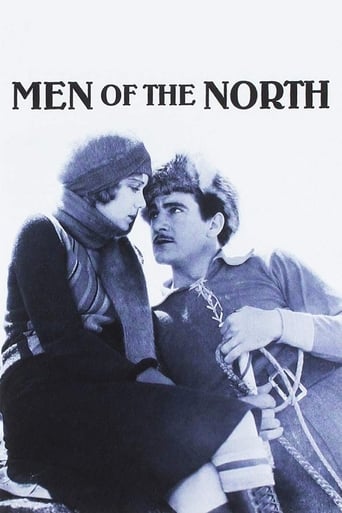
- She appeared in the 1930 film 'Men of the North' in an uncredited role outside of the Our Gang series.
- Dorothy was known for being very well-behaved on set, which made her a favorite of director Robert F. McGowan.
- She outlived many of her Our Gang co-stars, passing away at the age of 85 in 2010.
In Their Own Words
I had a great time. We had a lot of fun. It was a wonderful way to grow up.
The boys were like my brothers. We didn't know we were making history; we were just playing.
Hal Roach was a very kind man. He treated us like his own children.
Frequently Asked Questions
Who was Dorothy DeBorba?
Famous American child actress who starred in the 'Our Gang' (Little Rascals) comedy shorts from 1930 to 1933. She was known for her signature ringlet curls and her nickname 'Echo'.
What films is Dorothy DeBorba best known for?
Titles linked here include Pups Is Pups (1930), Teacher's Pet (1930).
When was Dorothy DeBorba born and when did she die?
Born March 28, 1925; died June 2, 2010.
What awards did Dorothy DeBorba win?
While she did not win major competitive awards during her childhood, she received a Lifetime Achievement Award from the Young Artist Foundation in 1994 for her contribution to cinema as a child star.
What was Dorothy DeBorba's acting style?
She was known for a natural, deadpan comedic style and her ability to mimic other characters' lines, which earned her the nickname 'Echo'. She was also praised for her ability to cry on cue.
Why was she called 'Echo'?
She earned the nickname because her character in the Our Gang series would frequently repeat the last few words of whatever the older boys said, creating a humorous 'echo' effect.