
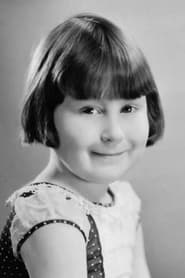
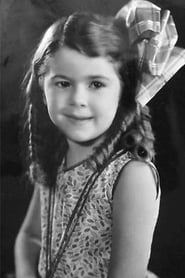
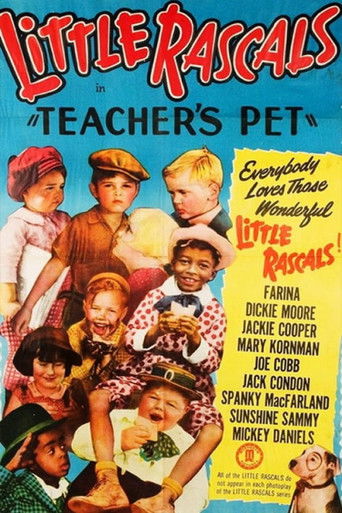
Pups Is Pups
"McGowan for Hal Roach, and originally released to theaters by MGM in 1930."
Keys: Space play/pause · ←/→ 10s · F fullscreen · M mute · </> speed
About this film
The gang decides to enter their animals in a local pet show. McGowan for Hal Roach, and originally released to theaters by MGM in 1930.
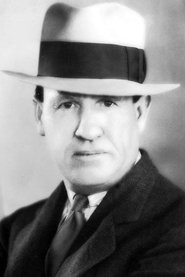
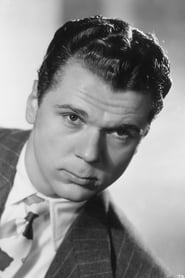
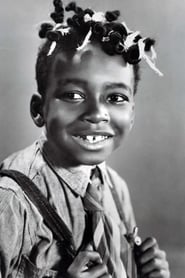
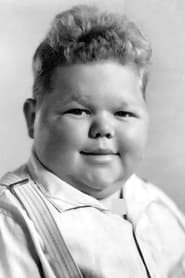
Cast & crew
More films like this
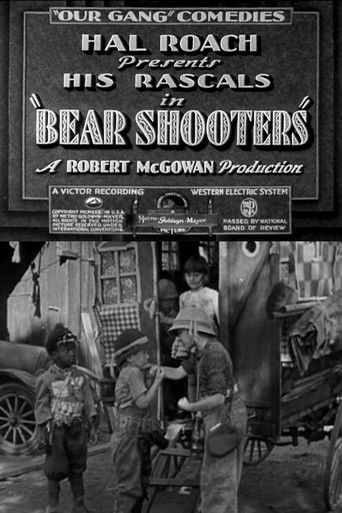
More Comedy films
View all →







More from Robert F. McGowan
View all →

More about this film
About the production
Release dateAugust 30, 1930
BudgetApproximately $30,000 (Estimated for Roach two-reelers of the era)
ProductionHal Roach Studios
Filmed inArnaz Ranch, Los Angeles, California, St. Brendan Catholic Church, Van Ness Avenue & West Third Street, Los Angeles, Industrial District, Downtown Los Angeles (near LA River)
Was the 100th Our Gang short produced and the 12th 'talkie' in the series. It marked a significant turning point in the series' production value, utilizing expensive glass-matte special effects to create an industrial skyline over the Arnaz Ranch. This was also the first film in the 1930-1931 season, introducing a more polished aesthetic and a new musical direction for the studio.
Themes
Childhood InnocenceSocial Class ContrastAnimal CompanionshipPersistenceUrban Life
Themes & topics
pet showlost puppiesmud puddlechurch bellsLittle Rascals1930sanimal chaos
Historical background
Made in 1930, in United States, under Robert F. McGowan, Pups Is Pups belongs to comedy film filmmaking as studio systems and national cinemas competed for audiences. Pups Is Pups is a two-reel comedy short subject, part of the Our Gang series.
Why this film matters
Within comedy film history, Robert F. McGowan's name attaches to the work; 1930 film by Robert F. McGowan; It was produced and directed by Robert F..
Making of
Director Robert F. McGowan, known as 'Uncle Bob' to the cast, was famous for his ability to coax natural performances from children by explaining scenes rather than forcing them to memorize scripts. During the filming of the pet show sequence, the 'chaos' was largely unscripted, with McGowan encouraging the children to interact naturally with the animals. The production used a sophisticated glass-matte process for the opening shots to make the rural filming location look like a gritty industrial city, a technique usually reserved for high-budget feature films. This reflected Hal Roach's desire to elevate the 'Our Gang' brand as it entered its second decade.
What critics said
Contemporary reviews of Pups Is Pups are sparse in open sources; later catalog entries chiefly summarize plot and credits.
Did you know?
- This was the 100th Our Gang short released since the series began in 1922.
- It marked the screen debut of five-year-old Dorothy DeBorba, who became a series regular.
- The first to feature the jazz-influenced background scores by Leroy Shield.
- The 'Pete the Pup' in this film is actually the son of the original Pete; the new dog had the circle around his left eye instead of the right.
- Added to the National Film Registry in 2004, a rare honor for a comedy short.
- The puppies in the film were trained to respond to bells, a plot point that was based on actual animal training techniques used on set.
- The church used in the finale, St. Brendan's, remains largely unchanged today and is a popular spot for film historians.
- Farina's character was edited out of many television prints in the 1970s due to racial sensitivities, though the scenes were later restored.
Awards & recognition
- National Film Registry Inductee (2004)
Visual style
Cinematography by Art Lloyd, who utilized deep focus and clever matte paintings to expand the scale of the two-reeler. The use of location shooting in the industrial areas of Los Angeles provides a stark, realistic contrast to the more staged 'high society' pet show scenes.
Innovations
Noted for its early use of the glass-matte process to create a faux-industrial environment. Additionally, the sound recording was remarkably clear for 1930, successfully capturing the chaotic overlapping dialogue of a large group of children and animals without the 'stiffness' common in early talkies.
Music
Is historically significant for being the first to use the original background music of Leroy Shield. Tracks like 'Teeter Totter,' 'Wishing,' and 'Confusion' made their debut here. While the famous theme 'Good Old Days' would not appear until the following short ('Teacher's Pet'), the musical template for the entire series was established in this film.
Famous quotes
Wheezer: 'They think they're gonna get dinner!' (Referring to the puppies running toward bells)
Farina: 'I got myself a job! Ten colored boys... to act as pages!'
Chubby: 'If I had that much money, I'd buy me an airplane then get married in Mexico!'
Memorable scenes
- Wheezer ringing the massive church bell in a final attempt to find his puppies.
- Dorothy repeatedly jumping into the mud puddle and her mother's escalating frustration.
- The 'menagerie' of unconventional pets (including a pig and a monkey) causing a riot at the formal dog show.
- The opening sequence featuring the industrial matte paintings of the city skyline.
What audiences thought
An immediate hit with audiences, particularly for the debut of Dorothy DeBorba and the return of the fan-favorite Pete the Pup. The relatable theme of a child's love for their pets resonated deeply with families of the 1930s. It remained a staple of 'The Little Rascals' television syndication for decades, becoming recognizable episodes for multiple generations.
Film connections
Influenced by
- The silent Our Gang shorts
- Hal Roach's early slapstick comedies
This film influenced
- The Little Rascals (1994)
- Beethoven (1992)
- Various animal-centric family comedies
Film restoration
Fully preserved and was restored by the Library of Congress for its induction into the National Film Registry. High-quality prints exist in the UCLA Film & Television Archive.
Where to watch
- HBO Max (The Little Rascals Collection)
- Amazon Prime Video
- YouTube (Official Classic Comedy Channel)
- DVD/Blu-ray: The Little Rascals - The Complete Collection