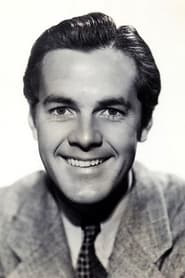
Johnny Downs
Actor
Born: October 10, 1913 in Brooklyn, New York, USA Died: June 6, 1994 Active: 1925-1958 Birth Name: John Joseph Downs Jr.
Films
5 films
About Johnny Downs
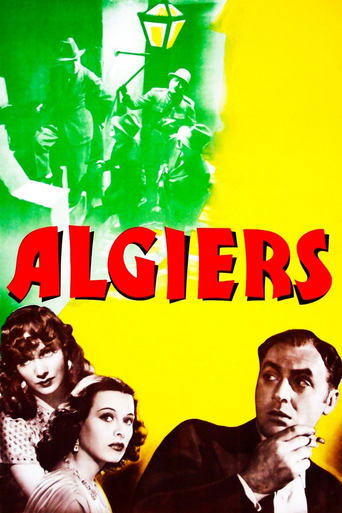
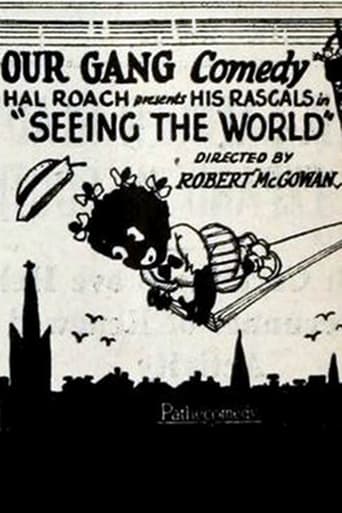
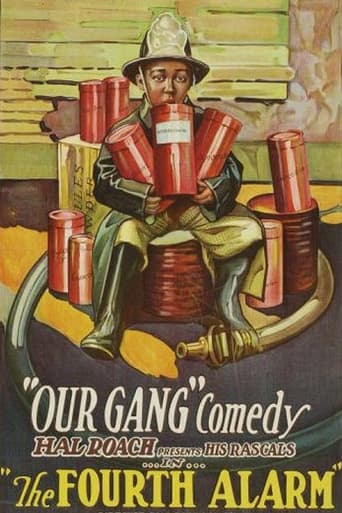
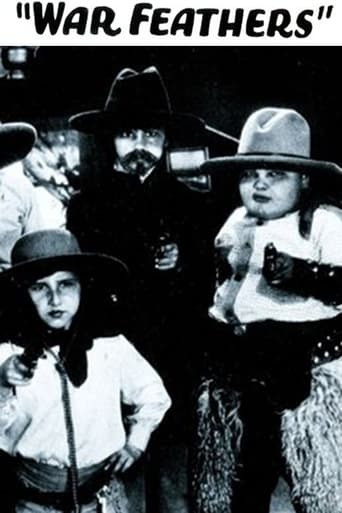
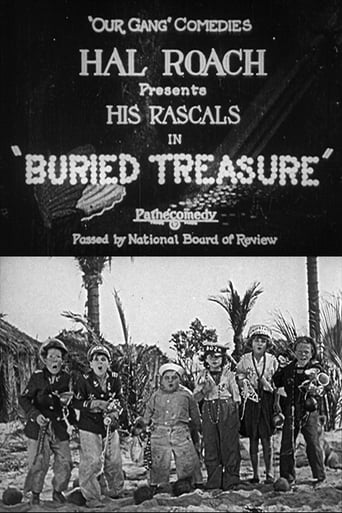
American actor who began his career as a child performer in the silent film era, making his debut in Hal Roach's Our Gang comedy series in the mid-1920s. Born in Brooklyn, New York, he quickly became a familiar face to audiences through his appearances in numerous short comedies and feature films during the transition from silent to sound cinema. His early career included roles in productions like The Fourth Alarm (1926), War Feathers (1926), and Seeing the World (1927), where he showcased his natural comedic timing and youthful charm. As he matured into adulthood, Downs successfully transitioned to more substantial roles in talking pictures, with his most notable appearance being in the acclaimed drama Algiers (1938) alongside Charles Boyer and Hedy Lamarr. Beyond his acting career, Downs developed talents as a singer and dancer, which led to opportunities in musical films and eventually to a career as a band leader. His entertainment career extended into the early days of television, where he hosted variety shows and continued performing well into the 1950s. Downs represents the archetype of the child star who successfully navigated the challenging transition to adult roles in Hollywood's golden era.
The Craft
On Screen
Known for his natural comedic timing and boyish charm in his youth, Downs developed a versatile acting style that ranged from slapstick comedy in Our Gang to more dramatic roles in his adult career. His performances were characterized by an earnest and likable screen presence that endeared him to audiences across different eras of filmmaking.
Best Known For
Iconic Roles
Must-See Films
Accolades
Special Recognition
- Hollywood Walk of Fame star (Television category)
Working Relationships
Worked Often With
Studios
Why They Matter
Impact on Culture
Johnny Downs represents an important bridge between the silent era and the golden age of Hollywood sound cinema, having successfully navigated the challenging transition that ended many child actors' careers. His work in the Our Gang series helped establish. As a performer who successfully evolved from child actor to adult entertainer, Downs demonstrated the possibilities of longevity in an industry known for its fleeting fame, particularly for those who begin their careers at a young age.
Lasting Legacy
Johnny Downs' legacy is primarily preserved through his contributions to the Our Gang series, which continues to entertain audiences decades after its creation. His successful transition from silent child actor to adult performer in sound films, and later to television personality, exemplifies the adaptability required for a sustained career in entertainment. The films he appeared in, particularly Algiers, remain part of the classic Hollywood canon, ensuring his place in film history. His Hollywood Walk of Fame star stands as a permanent tribute to his contributions to American entertainment.
Who They Inspired
As an early child star who successfully matured into adult roles, Johnny Downs influenced subsequent generations of child actors seeking to build lasting careers in Hollywood. His work in Our Gang helped establish the template for ensemble children's comedy that would be replicated in various forms throughout entertainment history. His later career as a television host during the medium's formative years contributed to the development of variety show formats that would dominate early television programming.
Off Screen
Johnny Downs married three times throughout his life. His first marriage was to June Dale in 1937, which ended in divorce. He later married singer and actress Virginia Bruce in 1946, though this marriage also ended in divorce. His final marriage was to Peggy Moran in 1949, with whom he remained until his death. Downs had three children from his marriages. After retiring from entertainment, he lived a relatively private life in Coronado, California, where he was active in local community affairs and charitable organizations.
Education
Attended local schools in Brooklyn while beginning his film career; later studied music and dance to enhance his entertainment skills
Family
- June Dale (1937-1941)
- Virginia Bruce (1946-1949)
- Peggy Moran (1949-1994)
Did You Know?
- Was one of the original members of the Our Gang comedy series
- Appeared in over 40 Our Gang shorts during his tenure with the series
- Was known for his distinctive Brooklyn accent which he retained throughout his career
- Served in the United States Army during World War II
- Formed his own big band after leaving acting, performing under the name 'Johnny Downs and His Orchestra'
- Was an accomplished athlete in his youth, particularly in baseball and swimming
- Made his final film appearance in 1958, after which he focused entirely on television work
- His third wife, Peggy Moran, was also an actress who appeared in numerous Universal horror films of the 1940s
- Was an active member of the Screen Actors Guild and served on various committees
- Received his Hollywood Walk of Fame star in 1960 for his contributions to television
In Their Own Words
Being in Our Gang was like being part of a real family - we grew up together on camera and off
The transition from silent pictures to talkies wasn't as hard for me as for some, because I was still young enough to adapt easily
Algiers was one of my proudest achievements - working with Charles Boyer was like attending a master class in acting
Frequently Asked Questions
Who was Johnny Downs?
American with credits in this catalog. He successfully transitioned from child actor to adult entertainer and later became a television personality and band leader.
What films is Johnny Downs best known for?
Titles linked here include The Fourth Alarm (1926), War Feathers (1926).
When was Johnny Downs born and when did he die?
Born October 10, 1913; died June 6, 1994.
What awards did Johnny Downs win?
While Johnny Downs did not receive major acting awards during his career, he was honored with a star on the Hollywood Walk of Fame in the Television category in recognition of his contributions to entertainment.
What was Johnny Downs' acting style?
Johnny Downs was known for his natural comedic timing and boyish charm in his youth, particularly in the Our Gang series. As he matured, he developed a versatile style that encompassed both comedy and drama, with an earnest and likable screen presence that endeared him to audiences across different eras of filmmaking.