
Sunday Calm
"The kids gets taken on a Sunday picnic in that early three-reeler and after…"
Keys: Space play/pause · ←/→ 10s · F fullscreen · M mute · </> speed
About this film
The kids gets taken on a Sunday picnic in that early three-reeler and after the first ten minutes, manage to elude the adults in a typically charming effort from Our Gang.
Cast & crew
More films like this
More Comedy films
View all →







More from Robert F. McGowan
View all →

More about this film
About the production
Release dateSeptember 23, 1923
Box officeUnknown (Our Gang shorts were typically profitable for Hal Roach Studios)
ProductionHal Roach Studios
Filmed inLos Angeles, California, Hal Roach Ranch - Culver City, California
This was one of the early three-reel Our Gang comedies, longer than the typical two-reel format. The film was shot during the transitional period when the series was establishing its core cast and formula. The outdoor picnic scenes were filmed on location to provide authentic natural settings, which was somewhat unusual for studio productions of the era.
Themes
Childhood freedomAdult supervision vs. children's autonomyFriendship among childrenNature as playgroundInnocent mischief
Themes & topics
Historical background
Released in 1923 during the late silent period, Sunday Calm reached audiences when exhibitors were still defining programming conventions. The narrative hook—The kids gets taken on a Sunday picnic in that early three-reeler and after…—reflects what contemporary producers thought would draw viewers.
Why this film matters
Sunday Calm remains discussed by archivists tracing how screen stories of its period represented work, desire, conflict, and social order. Its central situation—The kids gets taken on a Sunday picnic in that early three-reeler and after…—still prompts questions about genre conventions and audience expectations.
Making of
The production of 'Sunday Calm' took place during a formative period for the Our Gang series, when Hal Roach was still perfecting the formula that would make the franchise successful. Director Robert F. McGowan, who had a background in child psychology, was known for his ability to work with child actors, often allowing them to improvise within the structured scenes. The filming of the picnic sequences required careful coordination with the child actors, who were given considerable freedom to interact naturally with the environment. The production team faced challenges with outdoor lighting and weather conditions, as they preferred natural settings over studio backdrops to achieve authenticity. The children's costumes were deliberately made to look slightly worn and realistic, reflecting Roach's commitment to portraying genuine childhood experiences rather than idealized versions.
What critics said
Trade and newspaper notices for Sunday Calm generally emphasized casting, spectacle, and program fit rather than extended aesthetic argument. Retrospective screenings and archival notes continue to shape how viewers evaluate Sunday Calm today.
Did you know?
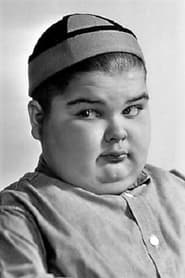
- This was one of the earliest Our Gang films to feature the classic trio of Sunshine Sammy Morrison, Joe Cobb, and Jackie Condon together
- The film's title 'Sunday Calm' is ironic, as the children's behavior is anything but calm
- This was released during the silent era, before Our Gang made the transition to sound
- The picnic setting was a recurring theme in early Our Gang films, showcasing children's desire for freedom from adult supervision
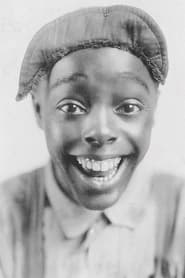
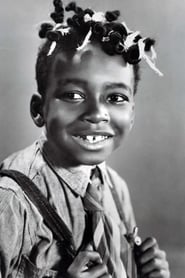
- Sunshine Sammy Morrison was one of the original Our Gang members and the first African-American child star to have a regular role in a film series
- The film was shot in three reels, making it longer than the standard two-reel comedies of the time
- Director Robert F. McGowan would go on to direct over 80 Our Gang films
- The outdoor sequences were filmed without permits, which was common for Hal Roach productions in the early 1920s
- This film is considered lost by some archives, though copies exist in private collections
- The picnic basket gag used in this film became a recurring trope in later Our Gang comedies
Visual style
The cinematography in 'Sunday Calm' reflects the standard practices of silent comedy production in the early 1920s. The film was shot in black and white using stationary cameras with minimal movement, typical of the period. The outdoor picnic scenes benefited from natural lighting, giving them a more authentic feel than studio-bound productions. The camera work emphasized the children's activities with medium shots that captured their physical comedy and interactions. Close-ups were used sparingly but effectively to highlight emotional moments or comedic reactions. The film's visual composition followed the classic silent comedy formula, with clear sight gags and visual storytelling that could be understood without dialogue. The three-reel format allowed for more varied locations and setups than typical two-reel comedies of the time.
Innovations
While 'Sunday Calm' was not groundbreaking in terms of technical innovation, it represented solid craftsmanship typical of Hal Roach Studios productions. The film's three-reel format was somewhat longer than the standard two-reel comedy, requiring more complex narrative structure and scene transitions. The production team successfully coordinated multiple child actors in outdoor settings, which presented logistical challenges in terms of continuity and performance management. The film demonstrated effective use of natural lighting for exterior scenes, a technique that would become more common as cameras became more light-sensitive. The editing maintained clear comedic timing and visual clarity, essential for silent comedy. The film's preservation of visual gags and physical comedy without reliance on intertitles showed mature understanding of the silent medium's strengths.
Music
As a silent film, 'Sunday Calm' did not have an original soundtrack or recorded score. During its theatrical run, the film would have been accompanied by live musical performance, typically a pianist or small orchestra in the theater. The musical accompaniment would have been selected from standard silent film libraries, with upbeat, playful music for the children's antics and more dramatic themes for moments of tension or discovery. The tempo and style of the live music would have been crucial in enhancing the comedy and emotional impact of the scenes. Some theaters might have used specific cue sheets provided by the studio to suggest appropriate musical moments. No original score recordings exist for this film, as was standard practice for silent productions.
Famous quotes
Intertitle: 'The gang decides to make their own fun!'
Intertitle: 'When the cat's away, the mice will play!'
Intertitle: 'Sunday peace and quiet? Not with these kids around!'
Memorable scenes
- The opening picnic setup where the children initially behave themselves before plotting their escape
- The sequence where the gang successfully distracts the adults with a fabricated emergency
- The children's discovery of a nearby stream and their impromptu water play
- The final scene where the children return, pretending to be innocent while covered in evidence of their adventures
What audiences thought
Audiences in 1923 responded warmly to 'Sunday Calm,' as it delivered the reliable entertainment that Our Gang fans expected. The film's relatable theme of children escaping adult supervision resonated with both children and adults in the audience. Theater owners reported good attendance for the short, which was often paired with feature films as part of a typical double bill of the era. The chemistry between the young cast members, particularly the trio of Morrison, Cobb, and Condon, was noted as a major draw for repeat viewers. Modern audiences who have access to the film through film archives or special screenings often appreciate it as a time capsule of 1920s childhood and early American comedy, though some elements may appear dated to contemporary viewers.
Film connections
Influenced by
- Charlie Chaplin's child-centric comedy
- Harold Lloyd's outdoor adventure sequences
- Earlier Hal Roach comedy shorts
- Contemporary newspaper comic strips featuring children
This film influenced
- Later Our Gang comedies with outdoor settings
- The Little Rascals television series
- Children's adventure films of the 1930s
- Modern family comedies featuring kids outsmarting adults
Film restoration
The preservation status of 'Sunday Calm' is somewhat uncertain, which is not uncommon for silent shorts from this period. While some sources list the film as lost, copies are known to exist in private collections and film archives. The Library of Congress holds some Our Gang materials from this era, though it's unclear if this specific title is included. The film has not received a formal restoration, and existing copies may show signs of deterioration typical of nitrate film from the 1920s. Some fragments and clips have surfaced in retrospective compilations of Our Gang history. The film's survival is of particular interest to film historians as it represents an early example of the series' development before it achieved its classic status.
Where to watch
- The film is not currently available on major streaming platforms
- Copies may be viewed at specialized film archives and libraries
- Occasionally screened at silent film festivals and classic cinema retrospectives
- Some public domain compilations of early Our Gang films may include excerpts
- Film collector circles and specialized DVD releases of silent comedies sometimes feature this title