High Society
"Since Pat hasn't legally adopted Mickey."
Keys: Space play/pause · ←/→ 10s · F fullscreen · M mute · </> speed
About this film
Mickey is a poor boy who lives with his Uncle Pat. While they're broke, they're also very happy. Since Pat hasn't legally adopted Mickey, Aunt Kate gains custody and takes him to her mansion.
Cast & crew
More films like this
More Comedy films
View all →







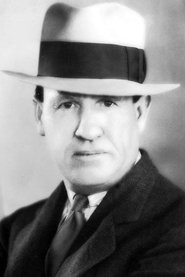
More from Robert F. McGowan
View all →

More about this film
About the production
Release dateJune 29, 1924
Box officeUnknown (shorts of this era rarely tracked individually)
ProductionHal Roach Studios
Filmed inHal Roach Studios, Culver City, California
This was one of the early Our Gang shorts filmed during the series' formative years. Director Robert F. McGowan was known for his ability to capture natural child performances by allowing the young actors to improvise and be themselves. The production followed Hal Roach's philosophy of creating authentic childhood moments rather than heavily scripted performances. The mansion scenes were likely filmed on studio sets designed to contrast sharply with the humble dwelling of Uncle Pat.
Themes
Class differencesChildhood innocenceFamily bondsMaterial versus emotional wealthAdaptation to new environments
Themes & topics
adoptioncustody battleclass conflictmansionpovertyuncle-nephew relationshipculture shockchild adjustmentfamily separationreunion
Historical background
Made around 1924, High Society engaged audiences already fluent in mickey is a poor boy who lives with his uncle pat as a screen subject.
Why this film matters
Surviving prints of High Society document how 1924-era filmmakers solved story problems with limited means.
Making of
The production of 'High Society' followed the innovative approach that made Our Gang famous. Director Robert F. McGowan believed in capturing authentic childhood moments rather than forcing children into rigid performances. The young actors were encouraged to play naturally between takes, with cameras often rolling to capture spontaneous moments. Mickey Daniels, already an established favorite with audiences, brought his natural charm to the role. The contrast between the humble and wealthy settings was carefully staged to maximize comedic effect while delivering a subtle message about class and happiness. The film was shot quickly, as was typical for shorts of this era, but with attention to the naturalistic style that set Our Gang apart from other children's comedies of the period.
What critics said
Audience data from 1924 is sparse; reception for High Society is inferred from reissue and archival interest.
Did you know?
- is also known by the alternative title 'Mickey' in some references
- Mickey Daniels was one of the original and most popular members of the Our Gang cast
- The film explores class differences, a recurring theme in early Our Gang comedies
- Director Robert F. McGowan directed over 80 Our Gang shorts between 1922-1933
- The Our Gang series was revolutionary for its time by featuring children of various ethnic backgrounds playing together naturally
- This was released during the peak of the silent film era, two years before the series would transition to sound
- Hal Roach initially conceived the series as 'Our Gang' but it was later retitled 'The Little Rascals' for television
- The child actors in Our Gang films were often discovered locally around the Hal Roach Studios
- This short was produced when the series was still finding its formula and character dynamics
- The mansion set used in was likely repurposed from other Hal Roach productions
Visual style
The cinematography in 'High Society' employed standard silent film techniques but with the naturalistic style characteristic of the Our Gang series. The camera work was relatively straightforward, focusing on capturing the children's performances and reactions rather than elaborate technical flourishes. The visual contrast between the humble dwelling of Uncle Pat and the luxurious mansion of Aunt Kate was emphasized through set design and lighting. The film likely used the standard aspect ratio and film stock of the era, with intertitles providing necessary dialogue and exposition. The photography prioritized clarity and the ability to capture spontaneous child behavior.
Innovations
While 'High Society' didn't feature groundbreaking technical innovations, it exemplified the efficient production techniques that made Hal Roach Studios successful. The film demonstrated effective use of limited sets to create contrasting environments. The technical achievement lay primarily in the ability to capture natural child performances on film, which required patience and innovative directing techniques. The editing maintained the comedic timing essential to the short's success. The film represents the polished craftsmanship of Roach's comedy unit, which could produce quality shorts quickly and consistently.
Music
As a silent film, 'High Society' would have been accompanied by live musical performance in theaters. The typical accompaniment would have been a pianist or small theater orchestra providing background music synchronized with the on-screen action. The music would have ranged from jaunty, upbeat tunes during comedic moments to more sentimental melodies during emotional scenes. No original composed score exists for this short, as was common for productions of this scale. The musical accompaniment would have been improvised or selected from standard theater music libraries of the 1920s.
Famous quotes
(As a silent film, quotes would be from intertitles) 'Mickey must learn to live in high society!' - Aunt Kate's intertitle
'I miss Uncle Pat!' - Mickey's intertitle expressing his feelings
'Money can't buy happiness!' - Moral intertitle
'Poor but happy is better than rich and miserable!' - Theme intertitle
Memorable scenes
- Mickey's bewildered reaction to the luxurious mansion after his humble upbringing
- The culture shock moments as Mickey attempts to adapt to high society manners and expectations
- The emotional scene where Mickey expresses his longing for Uncle Pat and their simple life together
- The contrast between Mickey playing happily in poverty versus his discomfort in wealth
- The resolution where Mickey's true happiness is prioritized over material wealth
What audiences thought
Audiences of 1924 embraced 'High Society' and the Our Gang series with enthusiasm. The shorts were popular with both children and adults, who appreciated the genuine humor and heartwarming moments. Mickey Daniels was particularly popular with viewers, becoming one of the early breakout stars of the series. The contrast between rich and poor lifestyles depicted in the film resonated with audiences of varying economic backgrounds. The Our Gang shorts became reliable box office attractions for theaters, often playing before feature films and helping to draw audiences to cinemas during the competitive silent era.
Film connections
Influenced by
- Charlie Chaplin's child characters
- Harold Lloyd's everyday man comedies
- Hal Roach's previous comedy shorts
- Stage melodramas about class differences
- Contemporary newspaper stories about custody battles
This film influenced
- Later Our Gang shorts with similar themes
- The Little Rascals television adaptations
- Children's comedies featuring class contrasts
- Family films about custody and adoption
- Modern children's programming emphasizing diversity
Film restoration
As an early Our Gang short from the Hal Roach library, 'High Society' has been preserved through various archives. Many of these early shorts survived through 16mm copies distributed for television and home use. The film exists in film archives and has been included in some Our Gang compilation releases. While the original nitrate negatives may be lost or deteriorated, copies survive in film preservation collections. The quality varies depending on the source material, but the film remains accessible to researchers and classic film enthusiasts.
Where to watch
- Available on some Our Gang DVD collections
- May be found on classic film streaming services specializing in silent cinema
- Accessible through film archives and libraries
- Sometimes shown at silent film festivals or classic film series
- Available on some public domain classic film websites