
No Noise
"Our Gang kids visit Mickey in the hospital and raise a ruckus."
Keys: Space play/pause · ←/→ 10s · F fullscreen · M mute · </> speed
About this film
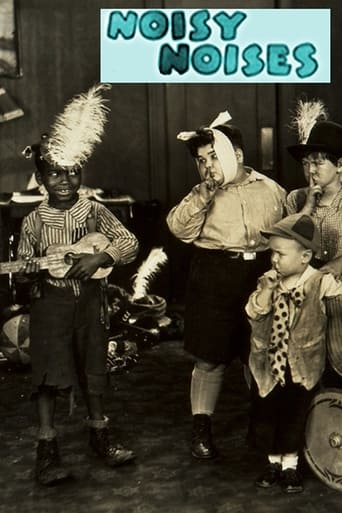
Hospital visit by Our Gang comedy has poor Mickey in the hospital being fed castor oil when his friends stop by to pay him a visit. As you'd expect, the kids start making all sorts of noise so the doctors decide to teach them a lesson by scaring them.
Cast & crew
More Comedy films
View all →






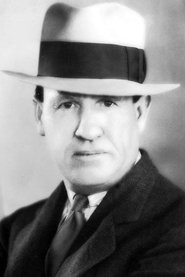
More from Robert F. McGowan
View all →

More about this film
About the production
Release dateDecember 2, 1923
ProductionHal Roach Studios
Filmed inLos Angeles, California, Hal Roach Studios
This was one of the early Our Gang shorts produced during the series' formative years at Hal Roach Studios. The film was shot on location at actual hospital facilities to add authenticity to the setting. The castor oil used in the film was reportedly real, though the children were given alternatives after multiple takes. The production utilized natural lighting techniques common in early 1920s comedy shorts.
Themes
Childhood rebellion against adult authorityThe chaos of innocenceFriendship and loyaltyThe contrast between order and disorderHealing and medicine
Themes & topics
Historical background
Released around 1923, No Noise emerged while exhibitors were still defining how longer narratives could hold nickelodeon audiences.
Why this film matters
For historians, No Noise is less a blockbuster than a datapoint—showing what audiences in 1923 could see on a typical program.
Making of
The production of 'No Noise' exemplified the Hal Roach Studios approach to comedy filmmaking in the early 1920s. Director Robert F. McGowan, who helmed most of the early Our Gang shorts, was known for his patient direction of child actors, often allowing them to improvise within the structured framework of the script. The hospital location provided both authenticity and challenges, as the crew had to work around actual medical operations. The famous castor oil scene required multiple takes, and the production team had to ensure the child actors weren't actually consuming the bitter medicine. The film was shot using the standard equipment of the era, with McGowan favoring long takes to capture the children's natural reactions. The staged horror sequence in the third act was carefully choreographed to maximize comedic effect while ensuring the young performers weren't genuinely frightened. This production also demonstrated Roach's commitment to quality comedy shorts, investing in proper sets and locations despite the brief running time.
What critics said
Specialist critics writing today emphasize preservation and access—praising archives when a viewable copy of No Noise survives rather than overstating original buzz.
Did you know?
- This was one of the earliest Our Gang shorts to feature the classic hospital setting, which would become a recurring trope in children's comedy.
- The film was released during the height of the silent era, just as sound technology was beginning to emerge in cinema.
- Mickey Daniels, who played the hospitalized character, was one of the original and most popular members of the Our Gang cast.
- The castor oil gag became so iconic that it was referenced in later Our Gang films and other comedy productions.
- Director Robert F. McGowan was known for his ability to work with child actors and often encouraged improvisation in scenes.
- The hospital setting was chosen because it provided a natural contrast between adult order and childhood chaos.
- This short was part of the 1923-24 season of Our Gang productions, which helped establish the series' popularity.
- The film's title 'No Noise' was deliberately ironic, given the chaos that ensues throughout the short.
- Many of the supporting roles were played by actual medical staff from the filming location.
- The success of this short helped cement the formula of placing the Gang in adult environments where their natural behavior would create comedy.
Visual style
The cinematography in 'No Noise' reflects the standard practices of Hal Roach Studios in the early 1920s. The film was shot in black and white using the 1.33:1 aspect ratio common to silent films. The camera work emphasizes wide shots to capture the full range of the children's chaotic movements, particularly in the hospital ward scenes. The cinematographer employed natural lighting where possible, especially in the hospital sequences, to enhance the authenticity of the setting. Close-ups were used strategically to highlight the children's reactions to various comedic situations, particularly during the castor oil administration and the staged horror sequence. The camera movement is relatively static, as was typical of the period, but the framing is careful to ensure all the action remains visible. The visual composition often creates contrast between the orderly adult world of the hospital and the disorganized energy of the children. The cinematography successfully supports the film's comedic timing through careful shot selection and editing rhythm.
Innovations
While 'No Noise' was not groundbreaking in technical terms, it demonstrated the high production values typical of Hal Roach Studios comedy shorts. The film utilized the standard 35mm film format of the era with consistent exposure and focus throughout. The production team successfully overcame the technical challenges of filming in a working hospital environment, managing lighting and sound (for the crew) around ongoing medical activities. The editing demonstrates sophisticated comedic timing for the period, with cuts timed to maximize laugh points. The film's special effects were limited to practical gags and stunt work, particularly in the sequence where the children are frightened by the staged horror. The makeup effects, particularly for making Mickey appear ill, were effective within the constraints of 1920s technology. The film's preservation in archives demonstrates the durability of the film stock used by major studios of the period. The technical execution, while not innovative, was professional and served the comedy effectively.
Music
As a silent film, 'No Noise' did not have an original synchronized soundtrack. During its initial theatrical run, the film would have been accompanied by live musical performance, typically a pianist or small orchestra in the theater. The musical score would have been selected from standard compilations of mood music commonly used for silent films, with selections matching the on-screen action - upbeat, playful music for the children's antics, more dramatic pieces for the hospital setting, and suspenseful music for the horror sequence. Some theaters might have used specific cue sheets provided by Hal Roach Studios to guide the musical accompaniment. In modern releases and restorations, the film has been paired with newly composed scores or period-appropriate classical music. The absence of synchronized sound actually enhances the film's comedy, as the exaggerated visual gags and pantomime performances stand out more clearly without dialogue. The title 'No Noise' takes on an ironic dimension given the silent format of the production.
Famous quotes
(Title card) 'Mickey's in the hospital - and the Gang's coming to visit!'
(Title card) 'Castor oil - the bitter medicine that makes sweet revenge!'
(Title card) 'When the kids make noise, the doctors make plans!'
Memorable scenes
- The opening sequence where Mickey reluctantly takes castor oil from the stern nurse, his exaggerated facial reactions conveying the bitter taste without dialogue. The chaotic arrival of the Gang at the hospital, with each child bringing their own brand of mischief into the sterile environment. The climactic scene where the doctors stage a frightening scenario with a supposed dangerous patient, sending the children into panicked flight through the hospital corridors. The final reconciliation scene where the children, having learned their lesson, promise to be quieter, only to immediately resume their noisy behavior when they think no one is watching.
What audiences thought
Audiences in 1923 responded enthusiastically to 'No Noise,' as evidenced by its continued inclusion in Our Gang compilation programs throughout the silent era. The film's humor, based on the relatable experience of children disrupting adult spaces, resonated strongly with family audiences of the period. The castor oil gag in particular became a talking point among viewers, with many parents reporting that their children found the scene hilarious. The short was popular enough to warrant repeated screenings in theaters across the United States. In later years, as Our Gang entered television syndication in the 1950s and beyond, 'No Noise' continued to find appreciative audiences, though some modern viewers found certain elements dated. The film has maintained a following among classic comedy enthusiasts and Our Gang completists. Contemporary audiences often note the film's charm and the genuine chemistry between the young performers, despite the limitations of silent film technology.
Film connections
Influenced by
- Charlie Chaplin's The Kid (1921)
- Harold Lloyd's safety comedy films
- Buster Keaton's The Play House (1921)
- Fatty Arbuckle comedy shorts
- Earlier Hal Roach comedy productions
This film influenced
- Later Our Gang hospital-themed shorts
- The Little Rascals television episodes
- Family comedy films featuring children in adult settings
- Hospital comedy films of subsequent decades
Film restoration
Preserved in the UCLA Film and Television Archive and the Library of Congress. The film survives in complete form and has been digitally restored as part of the Our Gang collection. Multiple 35mm prints exist in various film archives worldwide. The restoration work has addressed issues of decomposition and frame damage common to films of this era. The film is part of the Hal Roach Studios library that was acquired by various distributors over the years, helping ensure its preservation.
Where to watch
- Available on The Little Rascals: The Complete Collection DVD set
- Streaming on classic film subscription services
- Occasionally broadcast on Turner Classic Movies
- Available for viewing at film archives and special screenings
- Included in some public domain compilations of early comedy shorts