
Run 'Em Ragged
"Run ’Em Ragged, Snub Pollard’s 39th starring vehicle, uses familiar…"
Keys: Space play/pause · ←/→ 10s · F fullscreen · M mute · </> speed
About this film
Run ’Em Ragged, Snub Pollard’s 39th starring vehicle, uses familiar slapstick-- Over-the-top make-up, ethnic humor, and a chase across Los Angeles’s Echo Park-- But there is more here than knockabout; Sophisticated sight gags test the limits of the characters’ perception, making
Cast & crew
More films like this
More Comedy films
View all →







More from Alfred J. Goulding
View all →
More about this film
About the production
Release dateMarch 21, 1920
ProductionHal Roach Studios
Filmed inLos Angeles, California, Echo Park, Los Angeles
This was Pollard's 39th starring vehicle for Hal Roach Studios, demonstrating the prolific nature of silent comedy production during this era. The film showcases the elaborate chase sequences that became a hallmark of Roach's comedy productions. The Echo Park location was particularly significant as it became a popular filming location for silent comedies due to its diverse landscape and proximity to the studios.
Themes
Physical comedyRomantic pursuitMistaken identityUrban lifeClass differences
Themes & topics
Historical background
Released in 1920 during the late silent period, Run 'Em Ragged reached audiences when exhibitors were still defining programming conventions. The narrative hook—Run ’Em Ragged, Snub Pollard’s 39th starring vehicle, uses familiar…—reflects what contemporary producers thought would draw viewers.
Why this film matters
Run 'Em Ragged remains discussed by archivists tracing how screen stories of its period represented work, desire, conflict, and social order. Its central situation—Run ’Em Ragged, Snub Pollard’s 39th starring vehicle, uses familiar…—still prompts questions about genre conventions and audience expectations.
Making of
The production of 'Run 'Em Ragged' took place during the golden age of silent comedy at Hal Roach Studios, where efficiency was paramount. Director Alfred J. Goulding, known for his work with Harold Lloyd, brought his expertise in timing and visual humor to Pollard's vehicle. The chase sequence through Echo Park required careful coordination, as the lake area was often shared by multiple film crews simultaneously. The innovative 'bottomless rowboat' gag involved clever camera positioning and prop construction that created the illusion of an impossibly deep vessel. Pollard, who had developed his comedy skills in vaudeville, was known for his willingness to perform dangerous stunts, though the production team took precautions to ensure safety during the elaborate physical comedy sequences.
What critics said
Trade and newspaper notices for Run 'Em Ragged generally emphasized casting, spectacle, and program fit rather than extended aesthetic argument. Retrospective screenings and archival notes continue to shape how viewers evaluate Run 'Em Ragged today.
Did you know?
- Harry 'Snub' Pollard was especially prolific comedy stars of the silent era, appearing in over 200 films between 1915 and 1935
- The film was directed by Alfred J. Goulding, an Australian-born director who specialized in comedy and worked extensively with Harold Lloyd
- Marie Mosquini, who appears in the film, was a popular comedienne who later married inventor Lee de Forest, pioneer of radio and sound-on-film technology
- The 'bottomless rowboat' gag was considered particularly innovative for its time, testing the audience's perception through clever camera work and prop manipulation
- Echo Park in Los Angeles became so popular as a filming location for silent comedies that it was sometimes referred to as 'Comedy Lake'
- The film was produced during the transition from short one-reelers to two-reel comedies, allowing for more complex storytelling
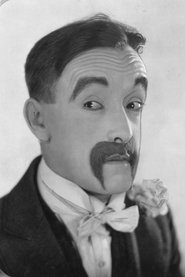
- Pollard's distinctive makeup style, including his famous mustache, became his trademark throughout his career
- The film's title 'Run 'Em Ragged' was a common slang phrase of the era meaning to exhaust someone completely
Visual style
The cinematography in 'Run 'Em Ragged' employed the visual techniques typical of silent comedy production, including wide shots to capture physical comedy and medium shots for character reactions. The film made innovative use of camera angles to create the illusion of the bottomless rowboat, demonstrating the cinematographer's skill in supporting sight gags. The Echo Park sequences utilized natural lighting and the scenic landscape to enhance the visual appeal of the chase scenes. The camera work was designed to emphasize the physical comedy, with careful framing to ensure that all gags were clearly visible to audiences in large theaters.
Innovations
The film's most notable technical achievement was the successful execution of the bottomless rowboat illusion, which required clever prop construction and precise camera positioning. The chase sequences through Echo Park demonstrated the growing sophistication of location filming in the early 1920s. The production also showcased the efficiency of the Hal Roach studio system, which could produce quality two-reel comedies on tight schedules. The makeup techniques used to create Pollard's distinctive appearance were advanced for the time and contributed to his recognizable screen persona.
Music
As a silent film, 'Run 'Em Ragged' would have been accompanied by live musical performance during its theatrical run. The typical score would have included popular songs of the era and classical pieces adapted to match the on-screen action. During chase sequences, faster-paced music would have been performed to enhance the excitement, while romantic scenes would have featured slower, more melodic compositions. The specific musical selections would have varied by theater, as individual accompanists often chose their own repertoire based on the film's mood and their personal preferences.
Famous quotes
(Silent film - no dialogue quotes available)
Memorable scenes
- The iconic bottomless rowboat sequence where Pollard's character discovers the seemingly endless vessel, creating a surreal visual gag that defies physics and logic, representing the film's most sophisticated sight gag
What audiences thought
Audiences in 1920 responded positively to 'Run 'Em Ragged,' as it delivered the slapstick comedy and visual gags they expected from Pollard's vehicles. The film's fast pace and physical humor appealed to the working-class audiences who formed the core of cinema-going demographics during the silent era. The chase sequences and prop comedy were particularly popular with viewers seeking escapist entertainment in the post-war period. While Pollard never achieved the level of stardom of some of his contemporaries, he maintained a loyal following throughout the 1920s, and films like 'Run 'Em Ragged' helped sustain his popularity among comedy fans of the era.
Film connections
Influenced by
- Charlie Chaplin's tramp character
- Harold Lloyd's comedy style
- Mack Sennett's Keystone comedies
- Vaudeville traditions
This film influenced
- Later Hal Roach comedy shorts
- The Three Stooges shorts
- Laurel and Hardy films
Film restoration
The film is believed to survive in archives, though complete preservation status is difficult to confirm definitively for many silent films of this era. Some sources indicate that copies exist in film archives or private collections, but it may not be widely available to the public. Like many silent comedies, it exists on nitrate stock that requires careful preservation and potential restoration work.
Where to watch
- The film is not currently available on major streaming platforms
- May be accessible through specialized silent film archives
- Potential availability through film preservation societies
- Possible inclusion in silent film festival screenings
- Might be found in private collector circles