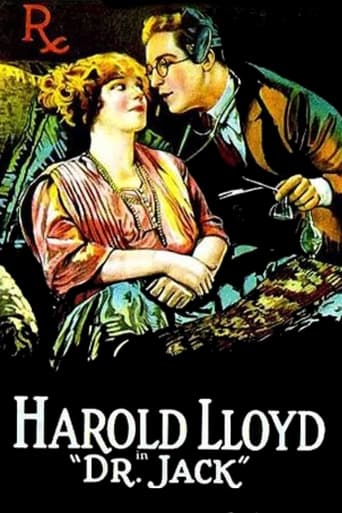
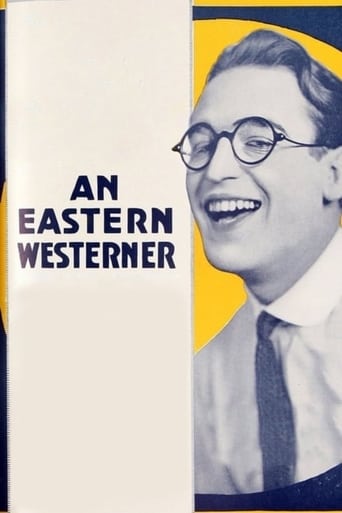
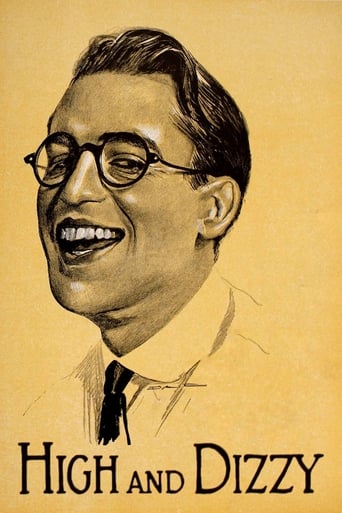
Films
15 films
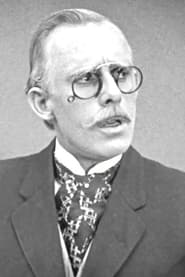
About Wally Howe
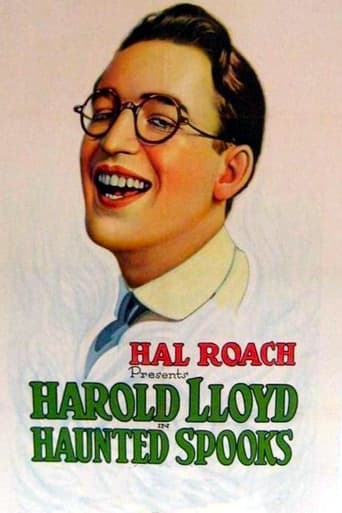
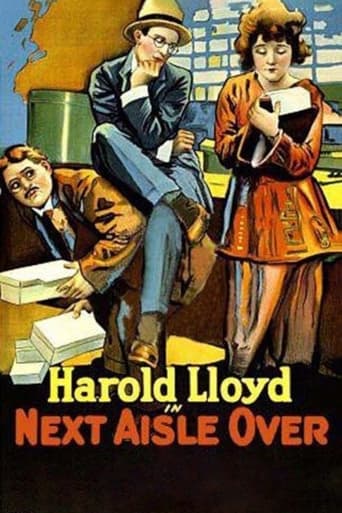
Character actor during the silent film era, primarily known for his work as a supporting player in Harold Lloyd comedies. His career was concentrated in the early 1920s, where he appeared in numerous short films and features alongside Lloyd's character. Howe was part of Lloyd's regular troupe of actors who brought the comedian's vision to life, often playing various bit parts and supporting characters that helped drive the comedic narratives. His filmography includes appearances in several notable Lloyd shorts from 1919-1920, including 'A Sammy in Siberia,' 'Next Aisle Over,' 'An Eastern Westerner,' 'High and Dizzy,' and 'Haunted Spooks.' Like many supporting actors of the silent era, Howe's career was relatively brief, and he disappeared from film credits by the mid-1920s. While he never achieved leading man status, his contributions to these classic comedies helped establish the foundation of American silent comedy. His work represents the important but often overlooked ensemble players who were essential to the success of early film comedies.
The Craft
On Screen
As a character actor in silent comedies, Wally Howe likely employed physical comedy techniques typical of the era, using exaggerated gestures and facial expressions to convey humor without dialogue. His style would have complemented Harold Lloyd's more subtle comedic approach, often serving as a foil or supporting element in the comedic sequences.
Milestones
- Regular supporting player in Harold Lloyd comedies (1919-1920)
- Appeared in multiple classic silent comedy shorts
- Part of Lloyd's ensemble cast during his formative years
Best Known For
Iconic Roles
Must-See Films
Working Relationships
Worked Often With
Studios
Why They Matter
Impact on Culture
Wally Howe's contribution to silent cinema, while not widely recognized, represents the essential foundation upon which the golden age of Hollywood comedy was built. As a supporting actor in Harold Lloyd's films, he was part of the team that helped create some of the most enduring comedy of the silent era. These films influenced generations of comedians and filmmakers, establishing techniques and comedic structures that would become standard in American cinema. The ensemble nature of silent film production meant that actors like Howe were crucial to the success of the featured stars, even if their individual contributions were not widely celebrated.
Lasting Legacy
Wally Howe's legacy exists primarily through his surviving film work with Harold Lloyd, which continues to be studied and appreciated by film historians and silent cinema enthusiasts. While he may not be a household name, his performances are preserved in these classic comedies that remain accessible to modern audiences. His career exemplifies the journey of countless supporting actors from the silent era who contributed significantly to early American cinema but whose personal stories have largely been lost to time. These actors represent the collaborative nature of early filmmaking and the importance of ensemble work in creating lasting cinematic art.
Who They Inspired
As a supporting actor during the formative years of American comedy, Wally Howe was part of the development of cinematic comedy techniques that would influence future generations. His work in Harold Lloyd films contributed to the establishment of physical comedy timing and ensemble dynamics that would become hallmarks of American film comedy. While direct influence on later performers cannot be specifically traced, the films he appeared in served as reference points for future comedians and directors studying the art of silent comedy.
Off Screen
Very little is known about Wally Howe's personal life, which is typical for many supporting actors from the silent era who did not achieve major stardom. Like many character actors of his time, detailed biographical information was not extensively documented or preserved.
Did You Know?
- Appeared in multiple Harold Lloyd films during 1919-1920
- Was part of Hal Roach Studios' roster of character actors
- His career was concentrated entirely in the silent era
- Like many supporting actors of his time, he often played uncredited or minor roles
- Worked during the transition period when Harold Lloyd was developing his famous 'Glasses Character'
- His film appearances all occurred during a relatively brief four-year span
- The films he appeared in are now considered classics of silent comedy
- Contributed to the success of some of Harold Lloyd's early landmark shorts
Frequently Asked Questions
Who was Wally Howe?
Character with credits in this catalog. He appeared in several classic Lloyd shorts and was part of the regular ensemble at Hal Roach Studios.
What films is Wally Howe best known for?
Titles linked here include A Sammy in Siberia (1919), Next Aisle Over (1919).
When was Wally Howe born and when did he die?
Unfortunately, specific birth and death dates for Wally Howe are not documented in historical records, which is common for many supporting actors from the silent era who did not achieve major stardom.
What awards did Wally Howe win?
Wally Howe did not receive any major awards or nominations during his career, which was typical for supporting actors in the silent era who worked primarily in short films and character roles.
What was Wally Howe's acting style?
Wally Howe's acting style was typical of silent comedy character actors, employing physical comedy techniques, exaggerated gestures, and expressive facial performances to convey humor without dialogue. He served as a supporting element that complemented Harold Lloyd's comedic approach.
Did Wally Howe work with any famous directors or actors?
Yes, Wally Howe worked extensively with Harold Lloyd,. He also appeared alongside other regular Lloyd collaborators like Mildred Davis and Snub Pollard.
Why is so little known about Wally Howe?
Limited biographical information about Wally Howe is typical of supporting actors from the silent era who were not major stars. Studios and publications of the time focused primarily on leading actors, and detailed records about character actors were often not preserved or maintained.