Next Aisle Over
"Sales pitch, real danger"
Keys: Space play/pause · ←/→ 10s · F fullscreen · M mute · </> speed
About this film
A salesman takes a job at a department store to impress a girl and winds up stopping a kidnapping. Exhibitors circulated the 1919 print in short programs.
Cast & crew
More films like this

More Comedy films
View all →






More from Hal Roach
View all →

More about this film
About the production
Release dateMarch 1919
ProductionHal Roach Studios
Filmed inLos Angeles, California
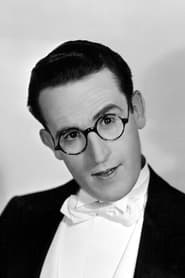
This film was produced during Harold Lloyd's transition from short films to features, showcasing his developing 'Glass Character' persona. The department store setting was likely filmed on constructed sets at the Roach studio, as was common for the era. The film demonstrates the sophisticated gag structure and timing that would become hallmarks of Lloyd's work.
Themes
Romance and courtshipHeroism in everyday lifeThe modern commercial worldClass mobility through workCrime and justice
Themes & topics
department storesalesmankidnappingromancecomedyheroworkplacecrime fightingphysical comedysilent film
Historical background
Next Aisle Over reached screens around 1919, produced in its country of origin. Silent-era houses paired such titles with live music and newsreel bills.
Why this film matters
Researchers cite Next Aisle Over when tracing screen culture of its decade.
Making of
The production of 'Next Aisle Over' took place during a formative period for Harold Lloyd's career and the Hal Roach Studios. The film was likely shot quickly, as was typical for comedy shorts of the era, with multiple setups completed in a single day. The department store set would have been carefully constructed to allow for maximum comedic possibilities, including multiple levels, displays, and obstacles for physical gags. Lloyd and Pollard's chemistry was well-established by this time, having appeared in numerous films together. The kidnapping elements required more dramatic acting than typical comedies of the period, showing Lloyd's range beyond pure comedy. Bebe Daniels, already an established star, brought star power to the production and helped elevate the romantic subplot. The film's pacing and gag structure reflect the influence of Mack Sennett's Keystone style, which Roach had helped perfect before starting his own studio.
What critics said
Reviewers in 1919 weighed Next Aisle Over on clarity, pacing, and audience response rather than prestige status. No single canonical review dominates later reference works for the title.
Did you know?
- This film was released during the golden age of silent comedy, when Harold Lloyd was establishing himself as one of the three great comedy stars alongside Charlie Chaplin and Buster Keaton
- Hal Roach Studios was known as 'The Lot of Fun' and produced many classic comedy shorts and features during this period
- The department store setting was particularly relevant in 1919, as these institutions were becoming central to American urban life and consumer culture
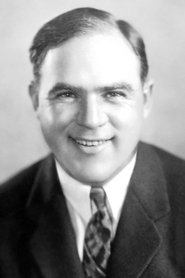
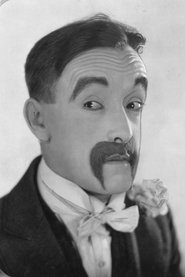
- Harry 'Snub' Pollard was a regular collaborator with Harold Lloyd, appearing in numerous films together as his comic foil
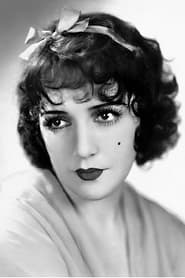
- Bebe Daniels was especially popular actresses of the 1910s and would later become a major star in both silent and sound films
- The film's kidnapping subplot reflects the sensational crime stories that were popular in newspapers of the era
- 1919 was a significant year for cinema as it marked the beginning of Hollywood's dominance in global film production
- The physical comedy in this film predates Lloyd's famous safety-glass stunts but shows the development of his daredevil style
- Silent films of this period were often accompanied by live musical scores, with specific cue sheets provided to theater organists
- Many of Harold Lloyd's early films like this one are considered lost today, making surviving prints particularly valuable to film historians
Visual style
The cinematography in 'Next Aisle Over' reflects the sophisticated visual style developing at Hal Roach Studios in the late 1910s. The camera work emphasizes the physical comedy through carefully composed wide shots that capture full-body action, a technique crucial for silent comedy. The department store setting allowed for multi-level compositions with characters moving between floors and departments, creating visual interest and opportunities for sight gags. The film likely used the relatively new technology of electric lighting to create consistent illumination on the elaborate sets. Camera movement was minimal but purposeful, with pans following characters through the store and occasional tracking shots to emphasize action sequences. The cinematography balances clarity of action with visual sophistication, helping to tell the story without dialogue while maintaining the comedic timing essential to the film's success.
Innovations
While 'Next Aisle Over' was not groundbreaking in technical terms, it demonstrated the refinement of film craft occurring at major studios in 1919. The film showcases sophisticated editing techniques for its time, including cross-cutting between the comedy and kidnapping plotlines to build suspense. The production design of the department store set represents advanced set construction for the period, allowing for complex action sequences. The film's pacing and gag structure show an understanding of cinematic timing that goes beyond simple vaudeville routines. The integration of multiple storylines within a short format demonstrates narrative sophistication. The physical comedy sequences required careful choreography and camera placement to maximize their effectiveness, showing the growing technical expertise in comedy production at the Roach studio.
Music
As a silent film, 'Next Aisle Over' would have been accompanied by live musical performance during its original theatrical run. Theaters typically received cue sheets from the studio suggesting appropriate musical pieces for different scenes. For a comedy with romantic and dramatic elements like this film, the score would likely have included popular songs of the period, classical pieces adapted for mood, and original improvisation by the theater organist or pianist. The department store scenes might have been accompanied by light, playful music, while the kidnapping sequences would have used more dramatic, tension-building selections. The romantic moments between Lloyd and Daniels would have featured sentimental melodies popular in 1919. The quality and style of musical accompaniment varied greatly between theaters, from simple piano in smaller venues to full orchestras in prestigious movie palaces.
Famous quotes
(Silent films relied on intertitles rather than spoken dialogue, but typical intertitles might have included: 'He'll do anything to win her heart!' and 'From counter clerk to crime fighter in one chaotic day!')
Memorable scenes
- The climactic sequence where Harold Lloyd's character uses department store merchandise and displays to outsmart and capture the kidnappers, transforming everyday retail items into weapons and obstacles in a masterful display of physical comedy and resourcefulness
What audiences thought
Audiences in 1919 responded enthusiastically to 'Next Aisle Over,' as it delivered the combination of thrills, laughs, and romance that theatergoers craved in the post-war period. Harold Lloyd's growing popularity ensured good attendance, and the film's department store setting resonated with urban audiences familiar with these new commercial palaces. The kidnapping subplot added excitement that appealed to both male and female viewers, while the romantic elements satisfied the increasing demand for more sophisticated storylines in comedies. The film's success contributed to Lloyd's status as a major box office draw and helped establish the market for comedy shorts that could support feature presentations. Contemporary audience letters and reviews in trade papers indicate particular appreciation for the physical comedy sequences and the satisfying resolution of both the romantic and criminal plotlines.
Film connections
Influenced by
- Mack Sennett's Keystone comedies
- Charlie Chaplin's character-driven comedy
- Buster Keaton's stunt comedy
- Vaudeville traditions
- Contemporary newspaper crime stories
- Department store culture
This film influenced
- Harold Lloyd's later department store comedies
- Other Hal Roach Studio productions
- Subsequent workplace comedies
- Films combining romance and crime elements
Film restoration
Like many silent films from this period, the preservation status of 'Next Aisle Over' is uncertain. Many Harold Lloyd shorts from 1919 are considered lost or survive only in incomplete form. The film may exist in archives such as the Library of Congress, the Academy Film Archive, or in private collections. Some Harold Lloyd films were preserved through his own efforts, as he recognized their historical value and maintained his own collection. The survival of any complete print would be significant for film historians and comedy enthusiasts.
Where to watch
- Due to its age and uncertain preservation status, 'Next Aisle Over' is not readily available on modern streaming platforms. Potential viewing options might include: The Harold Lloyd Trust archives, Specialized silent film collections at universities or film archives, Occasional screenings at silent film festivals or cinematheques, Potential inclusion in comprehensive Harold Lloyd box sets if preserved