Billy Fay
Actor
Born: December 25, 1886 in New York City, New York, USA Died: October 26, 1954 Active: 1917-1919 Birth Name: William Fay
Films
12 films
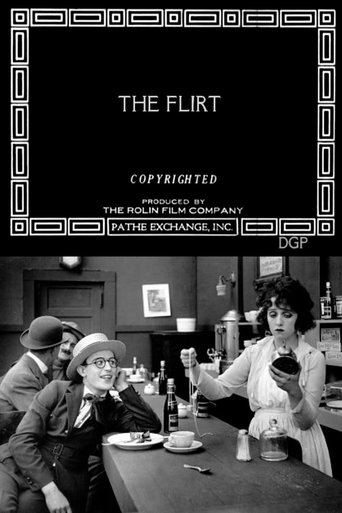
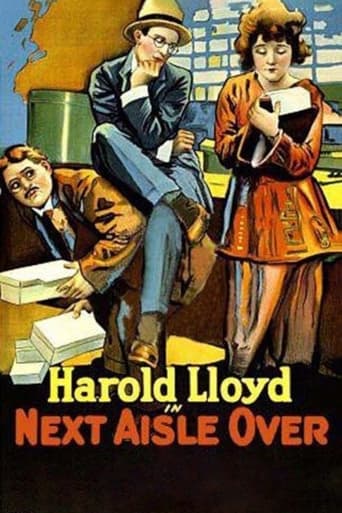
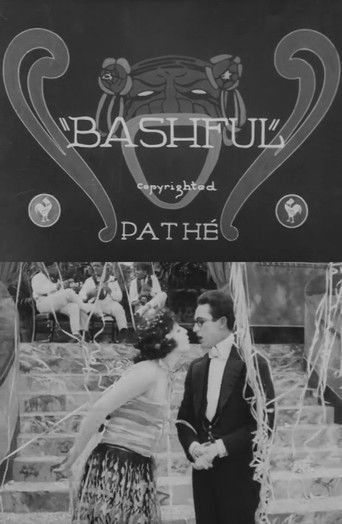
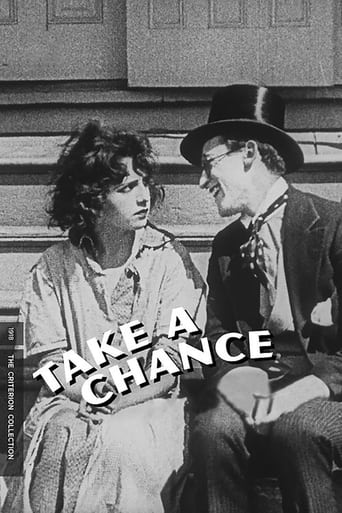
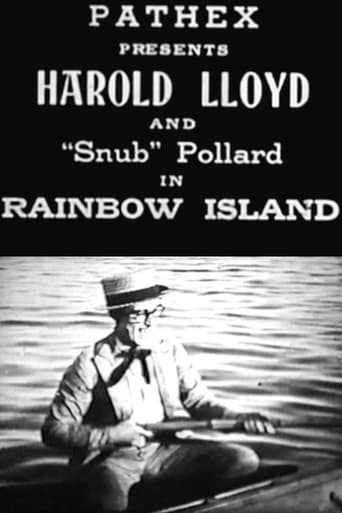
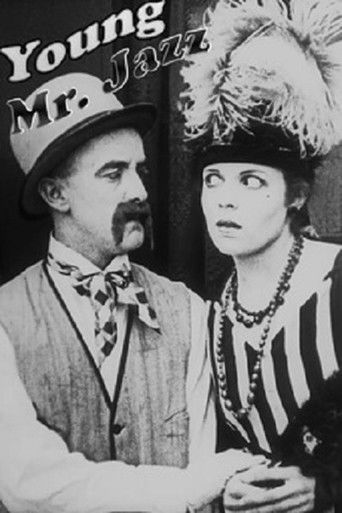
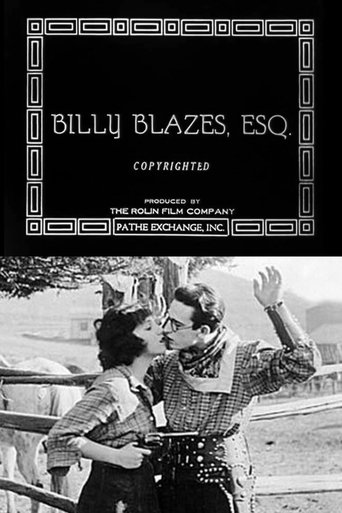
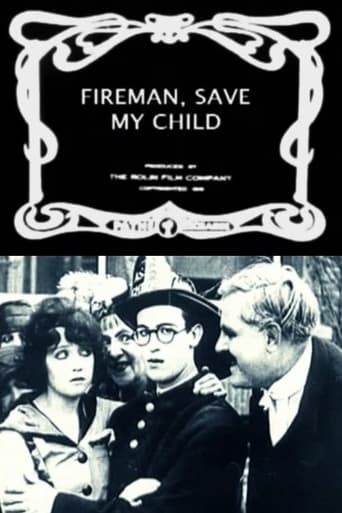
About Billy Fay
Billy Fay, born William Fay, was an American actor who worked primarily in silent comedy shorts during the late 1910s. His brief but notable from 1917 to 1919, during which he appeared in numerous comedy productions, often working alongside major stars of the era like Harold Lloyd. Fay was primarily employed by the Hal Roach Studios, which was a powerhouse of silent comedy production. His roles were typically supporting characters who contributed to the comedic elements of the films rather than being the central star. Despite his short time in the film industry, Fay managed to appear in approximately 20-30 shorts, demonstrating a prolific work ethic during his active years. His career coincided with the peak of silent comedy, a period when physical humor and visual gags were the primary tools of cinematic expression. Like many supporting actors of the silent era, Fay's career diminished as the industry transitioned to sound films in the late 1920s.
The Craft
On Screen
Billy Fay employed the classic silent comedy acting style characterized by exaggerated physical movements, expressive facial gestures, and slapstick timing. His performances relied heavily on visual humor and physical comedy, typical of supporting actors in silent shorts who needed to quickly establish character traits without dialogue. Fay's style was energetic and broad, fitting the fast-paced nature of comedy shorts of the era.
Milestones
- Supporting actor in Harold Lloyd comedy shorts
- Prolific contributor to Hal Roach Studios comedy productions
- Appeared in over 20 silent comedy shorts during brief career
- Worked during the golden age of silent comedy (1917-1919)
Best Known For
Iconic Roles
Must-See Films
Working Relationships
Worked Often With
Studios
Why They Matter
Impact on Culture
Billy Fay represents the countless supporting actors who formed the backbone of silent comedy production during its golden age. While not a star himself, his contributions to Harold Lloyd films and other Hal Roach productions helped create the comedic atmosphere that made these shorts successful. Fay's work exemplifies the collaborative nature of silent filmmaking, where even minor characters played crucial roles in establishing the rhythm and humor of scenes. His career, though brief, is part of the larger tapestry of American silent comedy that influenced generations of filmmakers and comedians.
Lasting Legacy
Billy Fay's legacy is preserved through his surviving film work in the Harold Lloyd comedy shorts, which continue to be studied and appreciated by film historians and silent cinema enthusiasts. As a representative of the working actor in early Hollywood, his career provides insight into the structure of the studio system and the importance of reliable supporting performers. While not a household name, Fay's contributions to silent comedy are part of the foundation upon which American film comedy was built.
Who They Inspired
As a supporting actor rather than a star, Billy Fay's direct influence on subsequent generations of performers was limited. However, his work in the successful Harold Lloyd shorts contributed to the development of comedy film techniques that would influence countless future comedians and filmmakers. The physical comedy timing and character types he helped establish became part of the language of American film comedy.
Off Screen
Billy Fay was born William Fay in New York City on Christmas Day, 1886. Details about his personal life remain scarce due to his status as a supporting actor in the silent era and the limited documentation of such performers' lives. He lived through the transition from silent films to talkies but did not continue his acting career into the sound era. Fay spent his later years away from the film industry, passing away in 1954 at the age of 67.
Education
Information not available
Family
- Information not available
Did You Know?
- Born on Christmas Day, 1886, in New York City
- Career lasted only three years but included appearances in over 20 films
- Worked primarily with Hal Roach Studios, the comedy powerhouse
- Appeared in several Harold Lloyd shorts during Lloyd's early career
- Like many silent era supporting actors, his career ended before the transition to sound
- His filmography includes some of the earliest examples of American comedy shorts
- Most of his roles were uncredited or minor supporting parts
- His real name was William Fay, using Billy as his professional stage name
- He was part of the ensemble cast system that defined early Hollywood comedy production
- His films were typically one or two reels in length, running 10-20 minutes
In Their Own Words
No documented quotes available from Billy Fay due to his status as a supporting silent actor and the limited documentation of such performers' statements
Frequently Asked Questions
Who was Billy Fay?
American silent film with credits in this catalog. He was a supporting actor who appeared in numerous Hal Roach productions, often working alongside Harold Lloyd in the early part of Lloyd's career.
What films is Billy Fay best known for?
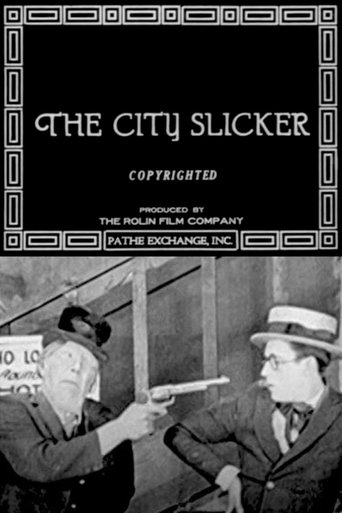
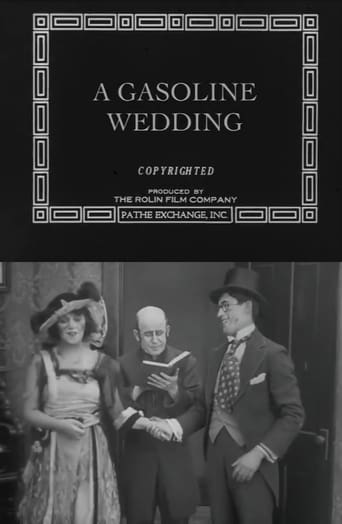
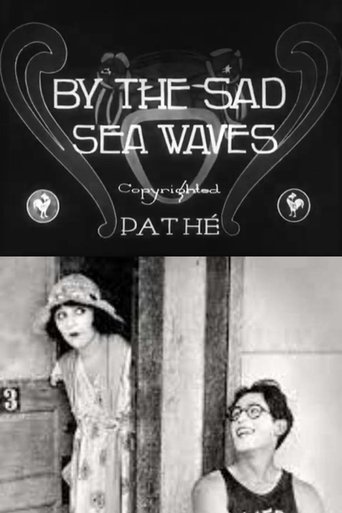
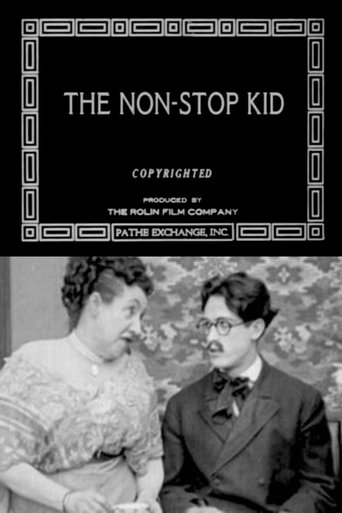
Titles linked here include The Non-Stop Kid (1918), A Gasoline Wedding (1918).
When was Billy Fay born and when did he die?
Born December 25, 1886; died October 26, 1954.
What awards did Billy Fay win?
Billy Fay did not receive any major awards or nominations during his career. As a supporting actor in the silent era, he was part of the ensemble cast system that rarely recognized such performers with formal awards.
What was Billy Fay's acting style?
Billy Fay employed the classic silent comedy style featuring exaggerated physical movements, expressive facial gestures, and slapstick timing. His performances relied on visual humor typical of supporting actors in comedy shorts who needed to quickly establish character traits without dialogue.