

The City Slicker
"Gadgets invade a country hotel"
Keys: Space play/pause · ←/→ 10s · F fullscreen · M mute · </> speed
About this film
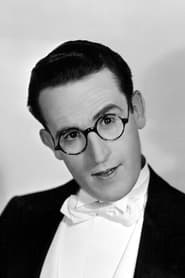
Our hero gets a job at a hotel in the country and proceeds to introduce some changes, installing gadgets and time-saving devices.
Cast & crew
More films like this
More Comedy films
View all →







More from Gilbert Pratt
View all →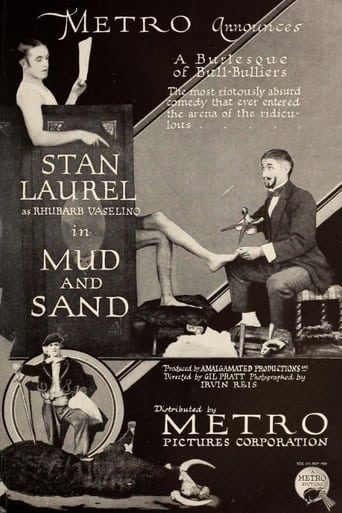
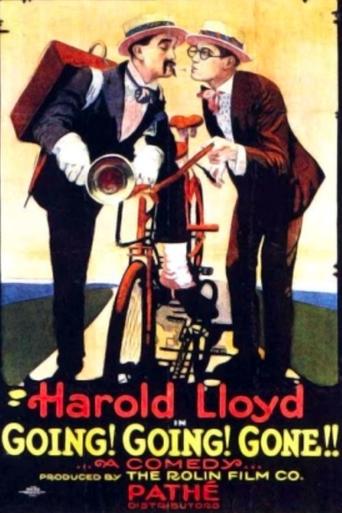
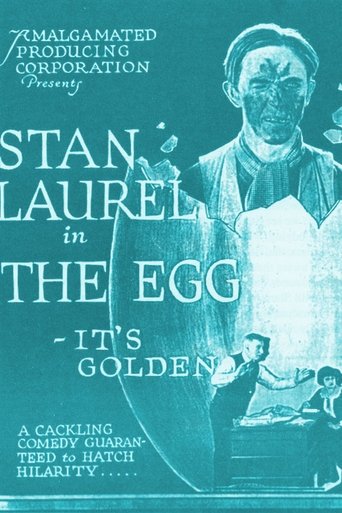
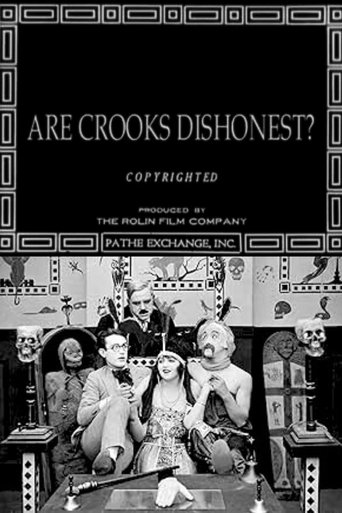
More about this film
About the production
Release dateApril 21, 1918
ProductionHal Roach Studios
Filmed inLos Angeles, California
This was one of Harold Lloyd's early comedy shorts produced during his partnership with Hal Roach, filmed during the transition period when Lloyd was developing his famous 'Glasses Character.' The film was shot on location and studio sets designed to represent rural America, contrasting with Lloyd's urban persona. Production took place during World War I, which influenced the film's themes of modernization and efficiency.
Themes
Urban vs Rural ValuesModernization and ProgressTechnology and Its DiscontentsEfficiency vs TraditionAmerican Ingenuity
Themes & topics
hotelgadgetscountrycityinventionscomedysilent filmmechanical devicesromancemodernizationrural lifeurban life
Historical background
Silent-era audiences encountered The City Slicker around 1918, as studios refined cross-cutting and star-driven storytelling.
Why this film matters
The City Slicker shows how silent filmmakers conveyed plot through gesture, title cards, and editing.
Making of
The production of 'The City Slicker' took place during a prolific period for Harold Lloyd at Hal Roach Studios, where he was churning out multiple short comedies per month. The film's mechanical gags required careful timing and coordination, as many of the gadgets were practical effects that had to work reliably for multiple takes. Lloyd was known for performing many of his own stunts, and likely featured him interacting directly with the malfunctioning inventions. The collaboration between Lloyd, Pollard, and Daniels was well-established by this point, allowing for improvised moments and refined comedic timing. Director Gilbert Pratt worked closely with Lloyd to develop the visual gags, often sketching out the mechanical sequences in advance. The production team faced the typical challenges of silent film era shooting, including the need for bright lighting and the limitation of intertitles for exposition.
What critics said
Press notices for The City Slicker (1918) are sparse in digitized sources; interest today rests on preserved prints and comparison with related titles.
Did you know?
- was released during the height of America's involvement in World War I, when efficiency and modernization were highly valued themes in society.
- Harold Lloyd was still developing his iconic 'Glasses Character' persona in this early film, which would become his trademark in later years.
- The film Lloyd's interest in mechanical gadgets and inventions, a theme that would recur throughout his career.
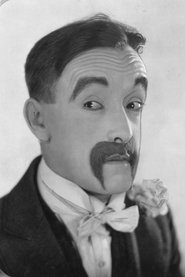
- Harry 'Snub' Pollard, who co-starred with Lloyd, was a frequent collaborator in Hal Roach comedies and had a distinctive comedic style.
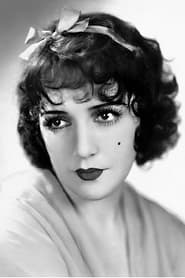
- Bebe Daniels, who appears as the female lead, would later become a major star in both silent and sound films.
- Director Gilbert Pratt was a former actor who transitioned to directing, working frequently with Harold Lloyd during this period.
- The film was part of a series of shorts that Lloyd produced for Hal Roach Studios, typically released on a monthly schedule.
- Many of the mechanical gags in the film were inspired by real inventions and technological advances of the 1910s.
- This was one of over 200 short films Harold Lloyd would make before transitioning to feature-length productions.
- The country hotel setting allowed for physical comedy involving rural props and environments, contrasting with Lloyd's usual urban settings.
Visual style
The cinematography in 'The City Slicker' reflects the standard practices of 1918 silent comedy production, utilizing bright, even lighting to ensure clear visibility of physical gags and facial expressions. The camera work is functional rather than artistic, focusing on capturing the mechanical sequences and comedic timing effectively. Wide shots are used to establish the hotel setting and show the scale of the gadget failures, while medium shots capture the performers' reactions and interactions. The film employs basic tracking shots to follow the action sequences, particularly when Lloyd's character demonstrates his inventions. The visual composition emphasizes clarity over style, ensuring that audiences could easily follow the complex mechanical gags that formed the film's comic foundation. The cinematography serves the comedy rather than attempting artistic innovation, which was typical for comedy shorts of this era.
Innovations
While 'The City Slicker' was not a groundbreaking technical achievement by 1918 standards, it demonstrated sophisticated practical effects work in its mechanical gags and sequences. The film's production team created working versions of various gadgets and time-saving devices that had to function reliably for filming, requiring careful engineering and testing. The coordination of multiple mechanical failures in sequence showed advanced planning and timing capabilities for the era. The film also utilized the relatively new technique of intercutting between different actions to build comedic tension, a sophisticated editing approach for comedy shorts. The production's ability to combine location shooting with studio work represented the growing technical capabilities of American film studios. The film's preservation of clear visual information despite the complex mechanical sequences demonstrated the maturation of film lighting and camera techniques by the late 1910s.
Music
As a silent film, 'The City Slicker' would have been accompanied by live musical performance during its original theatrical run. The typical score would have been provided by a theater organist or small orchestra, using popular songs and classical pieces appropriate to the on-screen action. The musical selections would have been synchronized with the film's comedic moments, using upbeat, lively music during the gadget demonstrations and failure sequences. Rural scenes might have been accompanied by folk-inspired melodies, while Lloyd's city character could have been introduced with more sophisticated, jazzy themes. The score would have included musical cues for dramatic moments, romantic scenes with Bebe Daniels, and punctuation for physical comedy beats. Modern screenings of restored versions often feature newly composed scores that attempt to recreate the authentic silent era musical experience while incorporating contemporary musical sensibilities.
Famous quotes
Efficiency is the key to modern success!
In the city, we don't do things the old-fashioned way - we do them the smart way!
This gadget will revolutionize the hotel industry!
Country life is charming, but it needs a touch of civilization!
Progress waits for no man, nor no hotel!
Memorable scenes
- The sequence where Harold demonstrates his automatic breakfast-serving machine, which proceeds to fling food everywhere while he tries to maintain his composure and impress Bebe Daniels' character.
What audiences thought
Audiences in 1918 responded enthusiastically to 'The City Slicker,' as evidenced by Harold Lloyd's growing popularity during this period. The film's relatable theme of city versus country values resonated with American viewers experiencing rapid social and technological changes. Moviegoers particularly enjoyed the visual comedy of the malfunctioning gadgets, which provided universal humor that transcended the limitations of silent film intertitles. The chemistry between Lloyd, Pollard, and Daniels was well-received by regular patrons of Hal Roach comedies, who had come to expect this dynamic in their productions. The film's success contributed to Lloyd's emergence as a major comedy star, eventually allowing him to command higher salaries and transition to feature-length productions. Modern audiences viewing the film through archives and revival screenings often express appreciation for its historical significance and the timeless appeal of Lloyd's comedy style.
Film connections
Influenced by
- Charlie Chaplin's early shorts
- Mack Sennett comedies
- American slapstick tradition
- Progressive Era ideology
- Industrial Revolution narratives
This film influenced
- Later Harold Lloyd features
- The Freshman (1925)
- Speedy (1928)
- Modern Times (1936)
- Various screwball comedies of the 1930s
Film restoration
The film is believed to survive in archives, though it may not be widely available. Prints are held in various film archives including the Library of Congress and the Museum of Modern Art. Some versions may be incomplete or show signs of deterioration typical of films from this era. The film has been included in some Harold Lloyd retrospective collections, suggesting that at least one usable print exists. Restoration status is unclear, though it has likely received basic preservation treatment by major archives.
Where to watch
- The film may be available through specialized silent film archives
- Some Harold Lloyd collection DVD/Blu-ray sets
- Classic film streaming services specializing in silent cinema
- Film archive screenings and revival houses
- Academic film libraries and university collections