By the Sad Sea Waves
"Our vagabond hero dons a lifeguard's uniform and madcap anti"
Keys: Space play/pause · ←/→ 10s · F fullscreen · M mute · </> speed
About this film
Our vagabond hero dons a lifeguard's uniform and madcap antics ensue on the beach, and in the changing stalls!
Cast & crew
More films like this
More Comedy films
View all →







More from Alfred J. Goulding
View all →
More about this film
About the production
Release dateJuly 22, 1917
Box officeBox office records not maintained for short films of this era
ProductionHal Roach Studios
Filmed inSanta Monica, California, Venice Beach, California
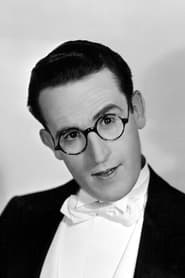
This was one of Harold Lloyd's early films for Hal Roach, made during the period when he was developing his 'glasses character' persona. The picture was shot quickly in one or two days as was typical for comedy shorts of this period. Beach locations were popular for early comedies due to the natural opportunities for visual gags involving water, sand, and beach attire. The changing room scenes were particularly challenging to film due to the limited space and the need to choreograph multiple actors in confined quarters.
Themes
Identity and impersonationClass distinctions and social climbingThe comedy of incompetenceBeach culture and leisurePhysical comedy and slapstick humor
Themes & topics
Historical background
By 1917, Hal Roach Studios was supplying United States theaters with titles like By the Sad Sea Waves, part of the broader expansion of filmed entertainment into working-class districts and small towns.
Why this film matters
Programmers and historians revisit By the Sad Sea Waves (1917) because its story—our vagabond hero dons a lifeguard's uniform and madcap antics ensue on the beach, and in the changing stalls!—illustrates popular narrative habits and production norms of the period.
Making of
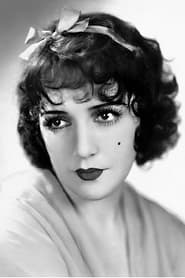
The production of 'By the Sad Sea Waves' took place during Harold Lloyd's formative years at Hal Roach Studios, where he was transitioning from his earlier 'Lonesome Luke' character to the more recognizable 'glasses character' that would make him famous. Director Alfred J. Goulding, known for his efficient shooting style, likely completed filming in just a couple of days. The beach setting presented both opportunities and challenges - while offering natural comedic situations, the outdoor shooting required careful timing to avoid crowds and ensure good lighting. The changing room sequences would have required precise choreography to maximize the physical comedy while working in cramped spaces. Bebe Daniels, still a teenager during filming, was already a veteran performer having started in films as a child. the picture was typical of Roach's production strategy of turning out short comedies quickly and cheaply for the hungry market of nickelodeons and small theaters.
What critics said
English-language trade reviews of By the Sad Sea Waves are limited for 1917. Where notices survive, they stress pacing and photographic clarity; later criticism values the title as archival evidence of studio style.
Did you know?
- This was one of over 200 short films Harold Lloyd made before transitioning to feature-length films in the 1920s
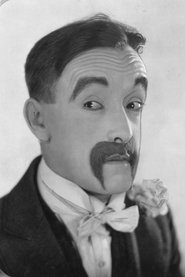
- Harry 'Snub' Pollard, who appears in the picture, was a regular collaborator with Lloyd in their early Hal Roach comedies
- Bebe Daniels would later become a major star in both silent and sound films, appearing in hits like '42nd Street' (1933)
- Director Alfred J. Goulding was an Australian who became a prolific director of American comedies, working extensively with Harold Lloyd
- the picture was released during World War I, a period when comedy films provided escapist entertainment for American audiences
- Beach comedies were extremely popular in the 1910s as they allowed for risque humor involving bathing attire that was considered daring for the time
- survives today and is available through various film archives and classic film distributors
- The lifeguard uniform Harold Lloyd wears was likely borrowed from an actual lifeguard service for authenticity
- Many of the beach scenes were probably filmed without permits, as early filmmakers often shot guerrilla-style
- the picture's title 'By the Sad Sea Waves' is typical of the poetic, sentimental titles used for comedies in the 1910s despite their humorous content
Visual style
The cinematography for 'By the Sad Sea Waves' was typical of 1917 comedy shorts - functional rather than artistic. The camera work would have been stationary for most scenes, with the camera positioned to capture the full action of the physical comedy gags. The beach setting offered natural lighting, which was advantageous for outdoor shooting. The changing room scenes would have required careful camera placement to capture the confined space comedy. the picture stock used was likely black and white orthochromatic film, which was standard for the period. No special effects or innovative camera techniques were employed, as the focus was on capturing the performers' physical comedy clearly and effectively. The cinematography served the comedy rather than standing out as artistic, which was appropriate for the genre and era.
Innovations
No significant technical achievements are associated with 'By the Sad Sea Waves.' the picture employed standard techniques and technology for 1917 comedy shorts. The production would have used typical cameras of the period, likely the Bell & Howell 2709 or similar models. the picture was shot on standard 35mm film at the usual frame rate of the era (approximately 16-18 frames per second). No special effects, innovative editing techniques, or technical innovations were employed. The technical aspects of the picture were straightforward and functional, focusing on clearly capturing the physical comedy rather than advancing film technology. This was typical of comedy shorts of the period, which prioritized quick production and entertainment value over technical innovation.
Music
As a silent film, 'By the Sad Sea Waves' would have been accompanied by live music during its theatrical run. The typical accompaniment would have been a piano player in smaller theaters or a small orchestra in larger venues. The music would have been compiled from various sources - popular songs of the period, classical pieces, and specially composed mood music. For a beach comedy, the music would likely have included light, cheerful pieces, possibly with nautical themes. There was no original score composed specifically for, as was common for short comedies of the era. The musical accompaniment would have been improvisational, with the musician responding to the on-screen action to enhance the comedy and drama. Modern presentations of the picture typically use period-appropriate compiled scores or newly composed music in the style of the 1910s.
Famous quotes
No recorded dialogue exists as this is a silent film
Memorable scenes
- The sequence where Harold Lloyd first dons the lifeguard uniform and attempts to look authoritative while clearly having no idea what he's doing
- The chaotic changing room scene where Harold's attempts to help patrons result in clothing mix-ups and confusion
- The climactic chase sequence across the beach with Harold fleeing from angry beachgoers while still wearing the ill-fitting lifeguard uniform
What audiences thought
Contemporary audiences in 1917 would have received 'By the Sad Sea Waves' as typical light entertainment perfect for the short film portion of a theater's programming. Harold Lloyd was building his reputation during this period, and audiences responded positively to his energetic style and relatable 'everyman' characters. The beach setting and lifeguard premise would have been immediately appealing to audiences of the time, who were familiar with the growing beach culture. The physical comedy and situational humor transcended language barriers, making it accessible to the diverse audiences of American nickelodeons. While this particular film doesn't seem to have generated any exceptional audience response, it contributed to Lloyd's growing popularity and the overall success of the Hal Roach comedy brand during this period.
Film connections
Influenced by
- Charlie Chaplin's early comedies
- Mack Sennett's Keystone comedies
- General beach comedy genre of the 1910s
This film influenced
- Later Harold Lloyd beach and water-themed comedies
- Beach party films of subsequent decades
Film restoration
the picture survives and has been preserved by film archives. It is not considered lost, unlike many films from this period. Prints exist in several film archives and collections, and it has been made available through various classic film distributors and streaming services specializing in silent cinema.
Where to watch
- Available on DVD from various classic film distributors
- Streaming on platforms specializing in silent films such as The Criterion Channel
- Available through some public domain film websites
- Occasionally screened at silent film festivals and classic cinema events