Films
2 films
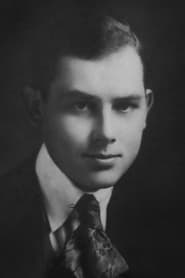
About Clyde E. Hopkins
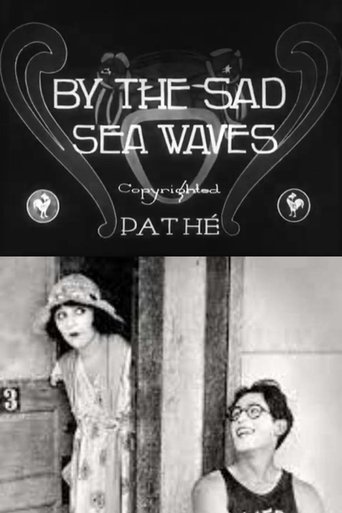
American actor of the silent era, with his entire known film career consisting of a single credit in 1917. His sole documented screen appearance was in the short comedy film 'By the Sad Sea Waves,' which was produced by the comedy studio Hal Roach Studios. The film was part of the popular 'Lonesome Luke' series starring Harold Lloyd, where Hopkins played a supporting role alongside the future comedy legend. Like many actors of the period, Hopkins was likely part of the stock company of performers that studios employed for various productions. His brief appearance in this one film represents the entirety of his known contribution to cinema history, making him a representative example of the countless anonymous performers who populated early silent films. The limited documentation of his career suggests he may have been a bit player or extra who did not pursue acting as a long-term profession, or perhaps his other film appearances have been lost to time due to the poor preservation rates of early silent films.
The Craft
On Screen
As a performer in silent comedy, Hopkins likely employed the exaggerated physical gestures and facial expressions typical of the era, designed to convey emotion and humor without dialogue.
Milestones
- Appeared in 'By the Sad Sea Waves' (1917) starring Harold Lloyd
Best Known For
Must-See Films
Working Relationships
Worked Often With
Studios
Why They Matter
Impact on Culture
Clyde E. Hopkins represents the countless anonymous actors who formed the backbone of early Hollywood productions. While his individual impact was minimal, his contribution as part of the ensemble in Harold Lloyd films helped support the development of American comedy cinema during its formative years. These supporting performers were essential to creating the rich visual world of silent films, even if their names were forgotten by history.
Lasting Legacy
The legacy of Clyde E. Hopkins is primarily archival, serving as a reminder of the vast number of performers who participated in early cinema but left little trace beyond film credits. His appearance in a Harold Lloyd film ensures his name is preserved in film history, however minor his role may have been. He stands as proof of the collaborative nature of filmmaking, where even the smallest bit players contributed to the magic of the movies.
Who They Inspired
As a minor actor with only one known credit, Clyde E. Hopkins had no discernible influence on subsequent performers or filmmakers. His legacy is not one of artistic influence but rather historical representation of the typical journeyman actor of the silent era.
Off Screen
Very little is documented about Clyde E. Hopkins's personal life, as was common for minor actors in the silent era who did not achieve star status. Like many bit players of the time, he likely lived a private life outside of his brief film work.
Did You Know?
- His entire known filmography consists of just one film from 1917
- He appeared in a Harold Lloyd comedy during Lloyd's early 'Lonesome Luke' period
- The film he appeared in, 'By the Sad Sea Waves,' was a short comedy running approximately 10-12 minutes
- Hal Roach Studios, where he worked, would later become famous as the 'Lot of Fun' for producing comedy classics
- Like many silent era actors, his biographical details have been lost to time
- His role was likely uncredited or minimally Clyde E. Hopkins appeared in the film
- The Harold Lloyd film he appeared in survives today and is available for viewing by film historians
- He represents the typical journeyman actor of the 1910s who may have had a brief career in films
Frequently Asked Questions
Who was Clyde E. Hopkins?
American ' He was a minor performer during the early days of Hollywood and represents the many anonymous actors who populated early films.
What films is Clyde E. Hopkins best known for?
Titles linked here include By the Sad Sea Waves (1917).
When was Clyde E. Hopkins born and when did he die?
Unfortunately, the birth and death dates of Clyde E. Hopkins are not documented in historical records, which was common for minor actors from the silent era who did not achieve significant fame.
What awards did Clyde E. Hopkins win?
Clyde E. Hopkins did not receive any known awards or nominations for his brief film work. As a bit player in a single silent short, he would not have been eligible for major industry recognition during his time.
What was Clyde E. Hopkins's acting style?
As a performer in silent comedy, Hopkins would have used the exaggerated physical acting style typical of the era, relying on broad gestures and facial expressions to convey humor and emotion to audiences without the benefit of synchronized sound.
Did Clyde E. Hopkins work with any famous actors?
Yes, Clyde E. Hopkins appeared alongside Harold Lloyd, who would become a major star. The film was made during Lloyd's early career before he developed his famous 'Glasses Character' persona.