The Flirt
"There Copies film survive."
Keys: Space play/pause · ←/→ 10s · F fullscreen · M mute · </> speed
About this film
A man takes a job in a café, hoping to get to know the pretty waitress working there. Copies of the film survive in the film archives of the Museum of Modern Art and the British Film Institute.
Cast & crew
More films like this
More Comedy films
View all →







More from Billy Gilbert
View all →
More about this film
About the production
Release dateOctober 21, 1917
BudgetNot documented
Box officeNot documented
ProductionRoland Film Company
Filmed inLos Angeles, California
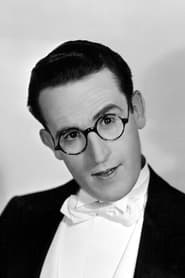
This was one of Harold Lloyd's early short comedy films produced during his transition from one-reel to two-reel comedies. The film was shot quickly on a modest budget typical of comedy shorts of the period. The café set was likely a simple studio construction designed to facilitate the physical comedy sequences.
Themes
Romantic pursuitWorkplace comedySocial class dynamicsMistaken identityCompetition in romance
Themes & topics
Historical background
Released around 1917, The Flirt reached audiences while exhibitors were still shaping program length and star promotion.
Why this film matters
Festival and repertory screenings keep The Flirt in circulation among silent- and classic-film communities.
Making of
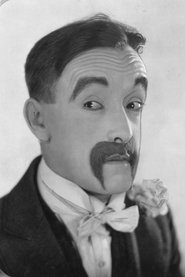
The production of 'The Flirt' took place during a prolific period in Harold Lloyd's career when he was churning out numerous short comedies for various production companies. The film was made quickly and efficiently, as was typical for comedy shorts of this era. The collaboration between Lloyd, Pollard, and Daniels represented a regular working relationship that would continue through several films. Billy Gilbert's role as director was somewhat unusual as he was primarily known as an actor, but many performers in the silent era tried their hand at directing. The physical comedy sequences would have been carefully choreographed and rehearsed, as was Lloyd's practice, to ensure maximum comedic effect while maintaining safety for the performers.
What critics said
Press files from 1917 rarely give The Flirt extended review space; mentions appear in roundup columns.
Did you know?
- This film was released during Harold Lloyd's early career before he developed his famous 'Glasses Character' persona.
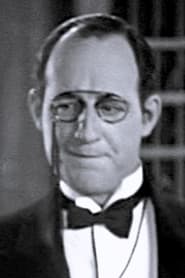
- Billy Gilbert, credited as director, was better known as a character actor famous for his explosive sneezing routine in later films.
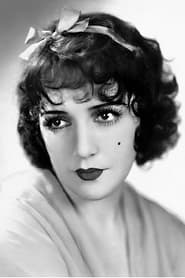
- Bebe Daniels, who plays the waitress, would later become a major star in both silent and sound films.
- Harry 'Snub' Pollard was a regular collaborator with Harold Lloyd in many of his early comedy shorts.
- The film was produced by the Roland Film Company, one of several small production companies Lloyd worked with before establishing his own studio.
- Like many silent shorts of this era, the film was likely shot in just a few days.
- The original nitrate film print is considered lost, existing only in fragments or poor quality copies.
- This was one of dozens of short comedies Lloyd produced annually during his peak silent film years.
- The café setting was a common backdrop for silent comedy shorts due to its potential for physical humor and character interactions.
Visual style
The cinematography in 'The Flirt' would have been straightforward and functional, typical of comedy shorts of the period. The camera would have been primarily static, with basic medium shots to capture the physical comedy and facial expressions of the performers. The café setting would have been lit to ensure visibility of the action, with simple lighting setups that didn't distract from the comedy. The film stock used would have been the standard orthochromatic film of the era, which rendered colors differently than modern film and required specific lighting techniques.
Innovations
The film does not appear to feature any significant technical innovations, as was typical for comedy shorts of this period. The production would have used standard cameras, lighting, and editing techniques of the era. The focus was on comedic performance and timing rather than technical experimentation. Any technical achievements would be in the realm of physical comedy stunts and gag execution rather than cinematographic or editing breakthroughs.
Music
As a silent film, 'The Flirt' would have been accompanied by live musical performance during its theatrical run. The exact musical selections are not documented, but typical accompaniment for comedy shorts included popular songs of the era, classical pieces, and improvised piano music. The music would have been synchronized with the on-screen action to enhance the comedic timing and emotional moments. Larger theaters might have used small orchestras, while smaller venues would have relied on a single pianist or organist.
Famous quotes
No documented quotes from this silent film
Memorable scenes
- The chaotic scene in the café where the protagonist attempts to serve customers while trying to impress the waitress, resulting in spilled food, mixed orders, and general mayhem typical of silent comedy physical humor.
What audiences thought
Audiences in 1917 would have viewed 'The Flirt' as part of a typical theater program, likely shown alongside a feature film, newsreel, and other shorts. Comedy shorts like this one were extremely popular with movie-going audiences of the time, providing lighthearted entertainment during the stressful war years. The film's simple premise and physical comedy would have appealed to broad audiences of all ages and social classes. While specific audience reaction records are not available, the continued production of similar films suggests they were well-received.
Film connections
Influenced by
- Earlier Mack Sennett comedies
- Charlie Chaplin's early shorts
- Standard vaudeville routines
This film influenced
- Later Harold Lloyd comedies
- Workplace romance comedies
- Restaurant-based comedy films
Film restoration
The film is considered partially lost or surviving only in poor quality copies. Many of Harold Lloyd's early shorts from this period have not survived in complete form due to the deterioration of nitrate film stock and lack of preservation efforts in the early decades of cinema. Some fragments or poor quality versions may exist in film archives or private collections.
Where to watch
- The film is not currently available on major streaming platforms. It may occasionally appear in specialized silent film collections or be screened at film archives specializing in early cinema such as the Library of Congress, UCLA Film & Television Archive, or the Museum of Modern Art's film department.