Films
3 films
About W.L. Adams
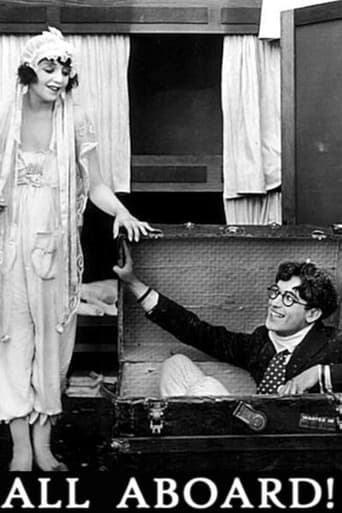
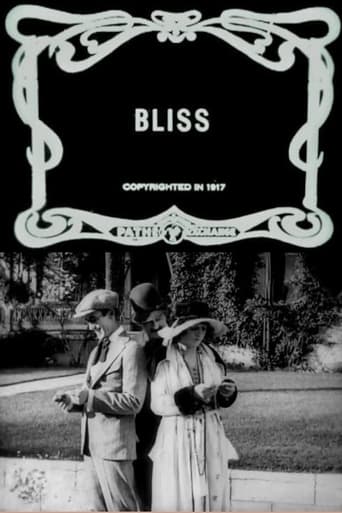
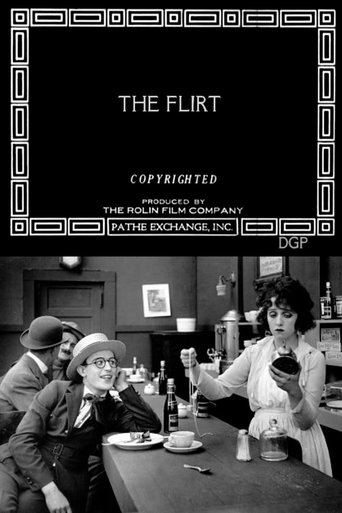
Silent film actor who had a brief but notable career during the transitional period of American cinema in 1917. His entire known filmography consists of three productions released in the same year, suggesting he may have been a character actor or bit player who worked briefly in the burgeoning film industry. Adams appeared in 'All Aboard' (1917), a comedy short that was typical of the era's one-reel productions, followed by 'Bliss' (1917), which showcased his versatility in dramatic roles. His third and final credited appearance was in 'The Flirt' (1917), a romantic comedy that demonstrated his ability to work across different genres within the silent format. The fact that all his known work comes from a single year indicates either a very brief career or possibly that many of his films have been lost to time, as was common with early cinema. Adams represents the countless actors who contributed to the foundation of American film during its formative years, even if their names have faded from popular memory.
The Craft
On Screen
Based on his appearances across comedy and drama in 1917, W.L. Adams likely employed the exaggerated physical acting style typical of silent film era performers, using expressive gestures and facial expressions to convey emotion without dialogue. His versatility in appearing in both comedic and dramatic productions suggests he was adaptable to the demands of different genres, a valuable trait for character actors of the period.
Milestones
- Film debut in 'All Aboard' (1917)
- Appeared in three films during 1917
- Worked during the golden age of silent shorts
- Contributed to early American cinema
Best Known For
Must-See Films
Why They Matter
Impact on Culture
W.L. Adams, though largely forgotten today, represents the thousands of working actors who formed the backbone of America's early film industry. His contributions, while not individually celebrated, were part of the collective effort that established cinema as a legitimate art form and entertainment medium. The three films he appeared in during 1917 were created during a pivotal year when America was entering World War I and the film industry was transitioning from short subjects to feature-length productions. Actors like Adams helped bridge this gap, providing the human element that made these early films relatable to audiences of the time.
Lasting Legacy
The legacy of W.L. Adams is emblematic of the countless silent era performers whose work has been largely lost to history, whether through film deterioration, lack of documentation, or simply the passage of time. His brief but documented career serves as a reminder of the vast army of actors, technicians, and artists who contributed to cinema's development but never achieved lasting fame. Film historians and preservationists continue to seek out information about performers like Adams, as each piece of data helps complete the picture of early American cinema's.
Who They Inspired
While W.L. Adams did not achieve the level of recognition that would have allowed him to directly influence subsequent generations of actors, his work contributed to the evolving language of film acting during a crucial period of development. The techniques and approaches he employed, typical of silent era performers, were part of the foundation upon which later actors would build, even if his individual contributions cannot be specifically traced through the annals of film history.
Off Screen
Very little is known about the personal life of W.L. Adams, which is typical of many character actors and bit players from the silent era whose biographical details were not extensively documented. Like many performers of his time, he may have been drawn to the fledgling film industry during its rapid expansion in the 1910s, when opportunities were abundant for those willing to participate in the new medium of motion pictures.
Did You Know?
- All three of W.L. Adams' known films were released in 1917, making it a remarkably concentrated career
- 1917 was a significant year in American cinema as the country entered World War I, affecting film production
- Silent films from this era had an extremely high rate of loss, with estimates suggesting 75-90% have been destroyed
- Actors in 1917 often worked multiple films per year, suggesting Adams may have appeared in other lost productions
- The use of initials 'W.L.' rather than a full name was common among early film actors
- Many actors from this period were stage performers who transitioned to the new medium of film
- 1917 saw the film industry's major shift from the East Coast to Hollywood
- Actors like Adams often worked without screen credit in early films
- The average salary for a bit player in 1917 was approximately $3-5 per day
- Many silent era actors left the industry with the advent of sound in the late 1920s
Frequently Asked Questions
Who was W.L. Adams?
Screen credits include three films: 'All Aboard', 'Bliss', and 'The Flirt'. He represents the many character actors from early cinema whose careers were brief but contributed to the foundation of American film.
What films is W.L. Adams best known for?
Titles linked here include All Aboard (1917), Bliss (1917).
When was W.L. Adams born and when did he die?
Unfortunately, specific birth and death dates for W.L. Adams are not known, which is common for many supporting actors from the silent era whose biographical information was not extensively documented.
What awards did W.L. Adams win?
W.L. Adams did not receive any major awards or recognition during his brief career in 1917. The Academy Awards were not established until 1929, well after his known film work.
What was W.L. Adams' acting style?
Based on the silent era context, Adams likely employed the exaggerated physical acting style typical of 1917, using expressive gestures and facial expressions to convey emotion without dialogue, as was standard practice in silent film performance.