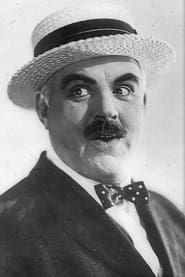
Bliss
"A counterfeit title buys courtship room."
Keys: Space play/pause · ←/→ 10s · F fullscreen · M mute · </> speed
About this film
A fake count wins the heroine's attention with help from her father, who is dazzled by a borrowed title. Lois Weber's 1917 comedy of manners exposes how aristocratic pretense and parental vanity complicate courtship.
Cast & crew
More films like this


More Comedy films
View all →







More from Alfred J. Goulding
View all →
More about this film
About the production
Release dateApril 29, 1917
ProductionHal Roach Studios
Filmed inLos Angeles, California
This was one of Harold Lloyd's early shorts produced during his formative years at Hal Roach Studios. The film was typical of the one-reel comedies being produced at the time, running approximately 10-12 minutes. Director Alfred J. Goulding was a frequent collaborator with Lloyd during this period, helping develop the comedic style that would later make Lloyd a superstar. The production utilized simple sets and locations typical of the rapid-fire comedy production schedule of the era.
Themes
Social climbingDeception and identityClass consciousnessCourtship and romanceAppearances versus reality
Themes & topics
counterfeit countmistaken identitycourtshipdeceptioncomedy of errorssocial climbingimpostorromancefatherly approvalaristocracy
Historical background
By 1917, competing studios crowded weekly bills, and Bliss had to win attention alongside newsreels and shorts.
Why this film matters
For historians, Bliss documents what typical program fare looked like in 1917, not only marquee blockbusters.
Making of
The production of 'Bliss' took place during a prolific period for Harold Lloyd at Hal Roach Studios, where he was churning out dozens of short comedies annually. Director Alfred J. Goulding worked closely with Lloyd to develop the gags and pacing that would become hallmarks of Lloyd's style. The film was likely shot in just a few days, as was typical for one-reel comedies of the era. Bebe Daniels, who had been working with Lloyd since 1915, was developing her own star power during this period and would soon leave the Roach studio for more substantial roles. The simple premise of a counterfeit count allowed for visual gags involving aristocratic manners and the contrast between supposed nobility and common behavior, a comedic device Lloyd would refine throughout his career.
What critics said
Trade papers near 1917 listed Bliss among weekly program offerings rather than as a headline critical event.
Did you know?
- This film was released during Harold Lloyd's transition period from his 'Lonesome Luke' character to his more famous 'Glass Character' persona.
- Director Alfred J. Goulding was Australian-born and directed numerous Harold Lloyd shorts in the 1910s.
- Bebe Daniels, who plays the heroine, would later become a major star in both silent and sound films.
- Harry 'Snub' Pollard was a regular supporting player in Harold Lloyd films during this era.
- The film was produced and released during World War I, a time when European titles and aristocracy were both romanticized and viewed with suspicion in America.
- This short is considered part of Lloyd's early apprenticeship period, before he developed his famous thrill comedy sequences.
- The theme of mistaken identity and social climbing was a common trope in silent comedies of the 1910s.
- Only one reel in length, this film would have been shown as part of a larger program of shorts and possibly a feature film.
Visual style
As a 1917 production, 'Bliss' utilized the basic cinematography techniques of the era. The film was shot in black and white on standard 35mm film with static camera positions typical of early comedy shorts. Lighting would have been primarily natural or basic studio lighting, with minimal camera movement. The visual style emphasized clear framing of physical comedy and facial expressions, crucial for silent film storytelling. The cinematography served the comedy by ensuring that gags and reactions were clearly visible to audiences, following the straightforward approach common in Hal Roach productions of this period.
Innovations
As an early comedy short, 'Bliss' does not feature notable technical innovations but represents the standard production techniques of 1917. The film was likely shot on a single camera with basic editing techniques including cuts and occasional dissolves. The technical aspects served the straightforward presentation of gags and story progression. The film demonstrates the efficient production methods developed by Hal Roach Studios for creating comedy content quickly and economically, a technical achievement in itself that allowed for the high volume of shorts produced during this era.
Music
Like all films of 1917, 'Bliss' was a silent production with no recorded soundtrack. During theatrical exhibition, the film would have been accompanied by live music, typically a piano or organ in smaller theaters or a small orchestra in larger venues. The musical accompaniment would have been selected to match the mood and action of each scene, with upbeat tempo during comedic moments and romantic themes during courtship scenes. Some theaters may have used cue sheets provided by the studio, while others relied on the improvisational skills of their house musicians.
Memorable scenes
- The scene where the counterfeit count first attempts to display aristocratic manners in front of the heroine's father, resulting in clumsy physical comedy as he struggles to maintain his noble facade while his common instincts keep breaking through.
What audiences thought
Audiences in 1917 responded positively to Harold Lloyd's comedies, which were known for their energetic pace and relatable humor. 'Bliss' would have been received as typical of the light entertainment audiences expected from comedy shorts. The theme of social climbing and mistaken identity was familiar and accessible to contemporary moviegoers. While specific audience reactions to this particular short are not documented, Lloyd's growing popularity during this period suggests that films like 'Bliss' were well-received by the general public and helped build his fan base in the years leading to his superstardom in the 1920s.
Film connections
Influenced by
- Mack Sennett comedy shorts
- Charlie Chaplin's early work
- European theatrical farce traditions
- American vaudeville comedy
This film influenced
- Later Harold Lloyd social climbing comedies
- Other Hal Roach Studio shorts of the late 1910s
- Early sound comedy films dealing with social class
Film restoration
The preservation status of 'Bliss' (1917) is uncertain, as many silent era films have been lost. While Harold Lloyd was preservation-minded later in his career, many of his early shorts from this period have not survived in complete form. Some archives may hold fragments or copies, but a complete, restored version may not be available to the public. The film's survival status would need to be verified through major film archives such as the Library of Congress, UCLA Film & Television Archive, or the Harold Lloyd Estate collection.
Where to watch
- Due to the age and uncertain preservation status of this 1917 short, 'Bliss' may not be readily available on modern streaming platforms or home video formats. Potential sources for viewing would include film archives specializing in silent cinema, special screenings at film preservation events, or possibly as an extra on Harold Lloyd collection releases if a copy has survived and been restored. Silent film enthusiasts might check with organizations like the Silent Film Hall of Fame or the Harold Lloyd Trust for potential viewing opportunities.